


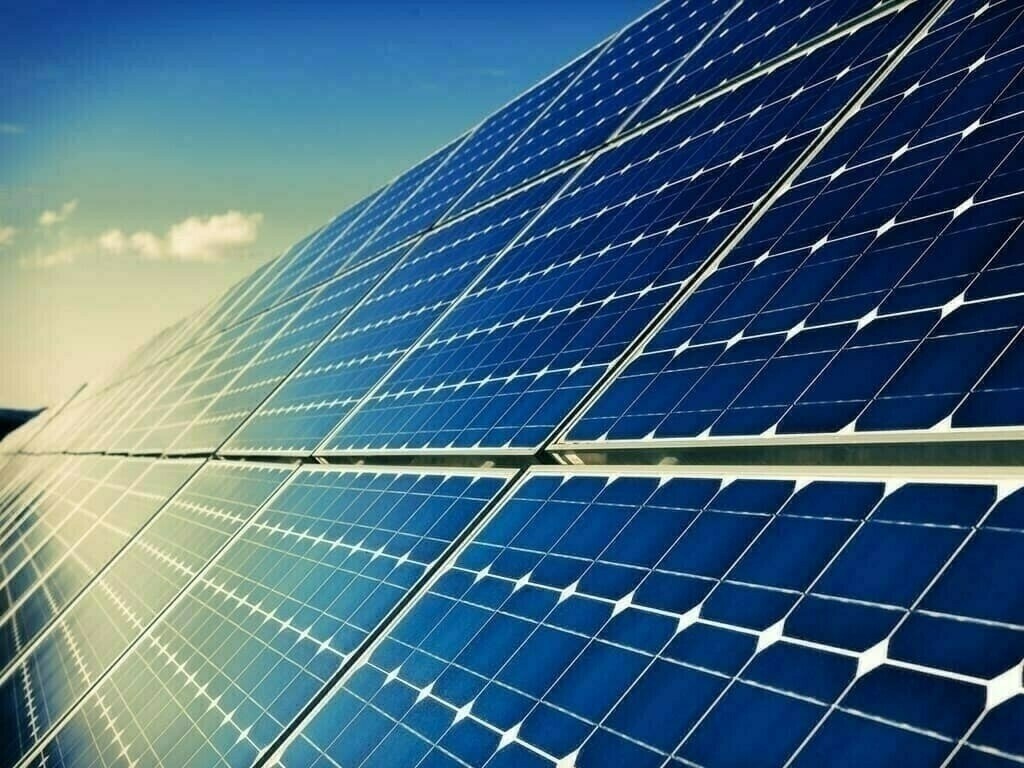

KARACHI: Solar energy, technical training, and determination are enabling Pakistani women to earn a dignified living without depending on government support or charity, as scores of women from southern Punjab to interior Sindh are now running small solar-powered enterprises, turning clean energy into financial independence, self-respect, and at the same time improving nutrition of their communities through supply of wheat flour enriched in zinc.
This initiative has been piloted by HarvestPlus Solutions, an organization dedicated to tackling livelihoods, global food and nutrition security challenges.
Among them is Jamila, a widowed mother of three from Khanewal, who lost her husband in a road accident ten years ago. With no savings and little family support, she struggled to provide for her daughters and often went hungry to feed them.
Today, her solar-powered flour mill sustains her household, pays for her children’s education, and serves as a model of how renewable energy and basic training can transform the lives of women left behind by tragedy.
“I had no income and no stability after my husband’s death,” Jamila said while operating her chakki that now runs on solar power. “The training which I received and the solar power gave me the confidence and training to stand on my own feet. Now I earn enough to feed my children and live with dignity.”
Jamila’s journey began when she received support from HarvestPlus Solutions under its Expanding Nutrients in Food Systems project, funded by the Government of Canada. Through the initiative, she was trained in food production, small business management, and marketing, and provided with a small flour mill and solar energy system.
The setup reduced her electricity costs by more than half and ensured uninterrupted operations even during power outages, while providing lighting for her home at night.
Her small scale flour mill (chakki) produces whole-grain zinc wheat flour that is both nutritious and affordable, benefiting her community while creating a steady income for her family. By selling within her village, Jamila has become a local example of how access to clean energy and basic tools can empower women in rural Pakistan.
Pakistan ranks among the lowest in the Global Gender Gap Index, with millions of women still financially dependent due to social barriers, lack of access to credit, and limited mobility. Among them are hundreds of thousands of widows who lose their husbands to terrorism, workplace accidents, and rising cases of early heart attacks and strokes.
Many remain dependent on in-laws for food and shelter, while social pressure often prevents them from seeking work or starting small businesses.
For such women, solar-powered flour mills offer a practical and sustainable way to earn a dignified living. A complete setup costs around USD 3500 to 5000, including installation. Supporting 5,000 widows with similar systems would require one-time investment of around USD 20 million, which could help transform rural economy, improve nutrition, and livelihoods of thousands of women and children in Pakistan.
Jamila is among many women in Punjab and Sindh who have established solar-powered mills through the HarvestPlus Solution’s pilot program. These women are quietly challenging stereotypes by working from home while contributing to local food security and rural economy.
Their enterprises cut dependence on diesel and unreliable electricity, reduce carbon emissions, and make affordable, nutrient-rich food available in their communities.
Experts say empowering women through renewable energy creates a chain of positive change. “When women earn, families eat better, children stay in school, and communities become stronger,” said M. Yaqub Mujahid, Country Manager at HarvestPlus Solutions. “It’s not just about energy, it’s about inclusion, opportunity, and dignity.”
In regions like southern Punjab, where poverty and climate shocks often go hand in hand, clean energy is becoming a tool for resilience. By combining solar technology with women-led food production, HarvestPlus Solutions is helping women build small but sustainable businesses that promote nutrition and self-reliance.
Jamila’s story reflects the quiet transformation taking place in Pakistan’s rural heartlands. With the right training and access to renewable energy, widows and single mothers can rise above dependency to build secure futures for their children.
As the sun sets over Khanewal, Jamila shuts down her mill while her daughters study under solar light—a light that now represents dignity, stability, and hope for thousands of women across Pakistan.
Copyright Business Recorder, 2025

























Comments
Comments are closed for this article.