


EU zones in on weakened climate target in final-hour deal for COP30, draft shows
- The compromises included the option to buy foreign carbon credits to cover up to 5% of it
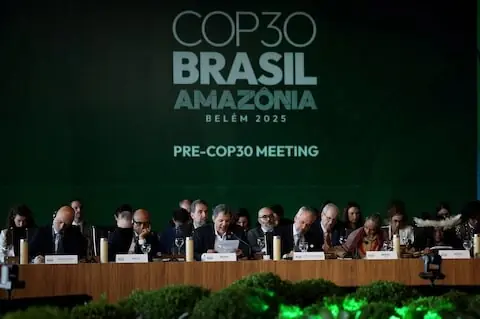

BRUSSELS: EU climate ministers were close to agreeing a 2040 climate change target in the early hours of Wednesday, but watered down the goal in last-minute negotiations, a draft EU document showed, as they raced to clinch the deal before the UN COP30 summit in Brazil.
After more than 16 hours of negotiations, climate ministers from European Union countries were debating a compromise to cut emissions 90% by 2040, from 1990 levels, but with flexibilities to weaken this aim.
The compromises included the option to buy foreign carbon credits to cover up to 5% of it, according to a draft of their negotiating document, seen by Reuters.
That would effectively weaken to 85% the emissions cuts required from European industries, and pay foreign countries to cut emissions on Europe’s behalf to make up the rest.
The draft said the EU would also consider the option, in future, to let countries buy international carbon credits to meet a further 5% of their 2040 emissions reductions - potentially shaving another 5% off their domestic target.
In a further effort to win over sceptical countries, the draft compromise said the EU would weaken other politically sensitive climate policies - including by delaying the launch of an upcoming EU carbon market by one year, to 2028.
Poland and the Czech Republic have opposed that policy, citing fears it could raise fuel prices.
Countries’ ministers were still discussing the draft. Diplomats said it was not immediately clear if it would win backing from the “qualified majority” of at least 15 of the 27 member states needed to pass the goal.
EU ministers planned to reconvene for formal talks later on Wednesday morning to vote on it.
Countries including France and Portugal had demanded the 5% carbon credits flexibility, while others including Poland and Italy sought 10%. Spain and the Netherlands were among those opposed to weakening the target further, EU diplomats told Reuters.
The EU is racing to agree its new climate goal to avoid going empty-handed to the COP30 climate summit, where European Commission President Ursula von der Leyen will meet other world leaders on November 6.
“We have a lot at stake. We are risking our international leadership, which is fundamental in this extraordinarily complicated context,” Spanish Environment Minister Sara Aagesen told reporters on Tuesday.
Opposing views
The European Commission had originally proposed a 90% emissions-cutting target, with a maximum 3% share of carbon credits.
The dilution of the target reflects a backlash against Europe’s ambitious climate agenda, from industries and some governments sceptical that it can afford the measures alongside defence and industrial priorities.
“We don’t want to destroy the economy. We don’t want to destroy the climate. We want to save both at the same time,” Polish Deputy Climate Minister Krzysztof Bolesta said on Tuesday.
Poland, Italy, the Czech Republic and others opposed the original 90% target as too restrictive for domestic industries struggling with high energy costs, cheaper Chinese imports and U.S. tariffs.
Others, including the Netherlands, Spain and Sweden, cited worsening extreme weather and the need to catch up with China in manufacturing green technologies as reasons for ambitious goals.
The EU’s independent climate science advisers have warned that buying foreign CO2 credits would divert much-needed investments away from European industries.


























Comments
Comments are closed for this article.