


HBL Manufacturing PMI indicates mild deterioration in sector
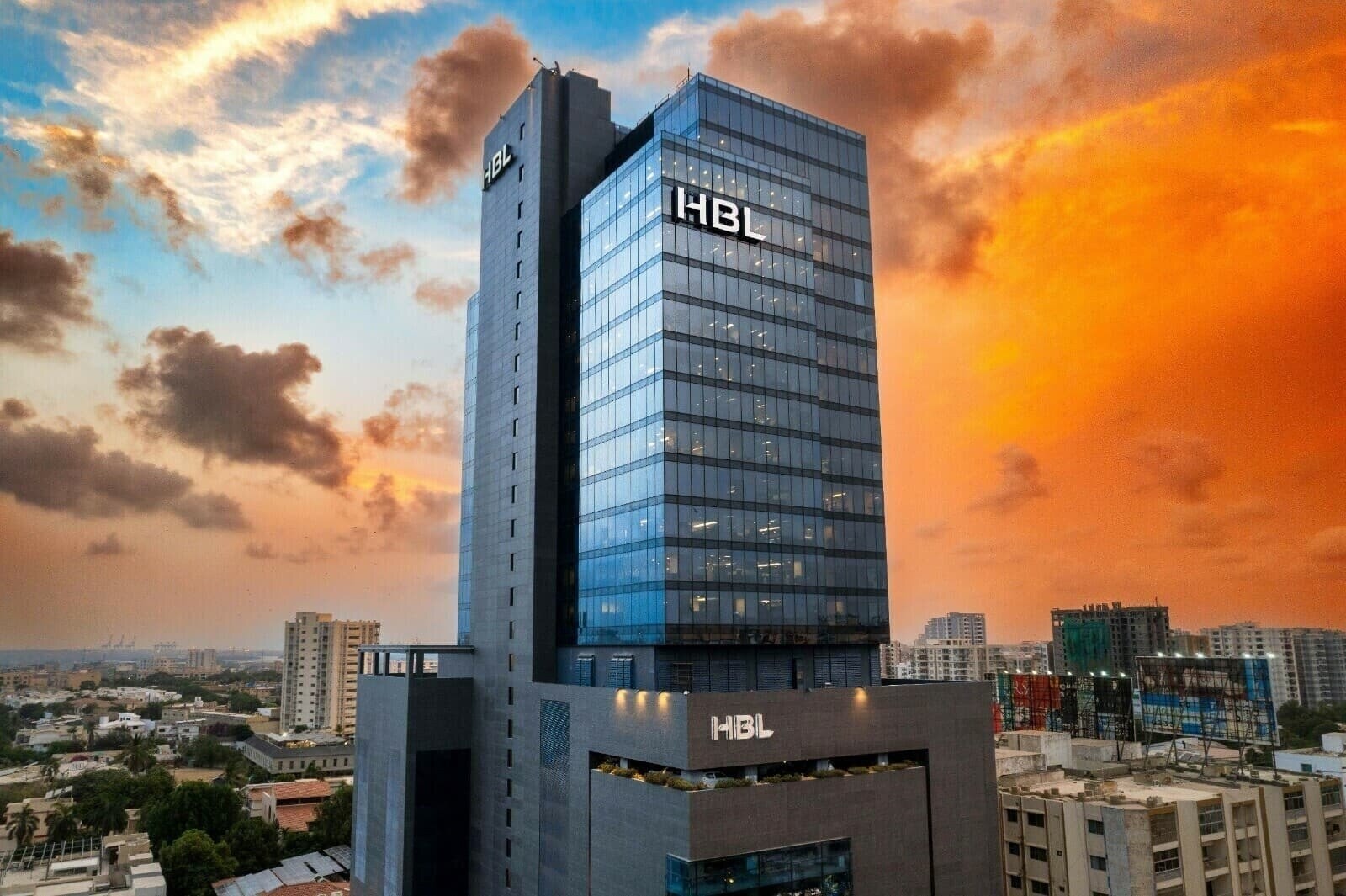

KARACHI: The HBL Pakistan Manufacturing PMI rose to 49.6 in October from 48.0 in September yet remained below the 50.0 neutral thresholds for the second consecutive month, indicating a slight deterioration in the sector.
For investors, the PMI serves as a leading economic indicator, offering timely insights into business conditions, demand trends, and production activity. A reading below 50 typically signals a contraction, which can influence corporate earnings and macroeconomic momentum.
The downturn in October was primarily driven by subdued demand, as new orders fell for the sixth straight month with manufacturers pointing to inflation, higher taxes, and load-shedding.
A portion of this demand weakness stems from falling new export orders. According to the Pakistan Bureau of Statistics, exports contracted 3.9 percent y/y in the first quarter of fiscal year 2026, while the central bank, in its latest policy meeting, flagged challenging export prospects amid evolving tariff dynamics.
Output was down for a second consecutive month amid softer demand, though the pace of contraction remained moderate.
However, the impact of weaker demand is spilling over to the labour market. Employment levels fell for the fourth consecutive month, as firms adjusted to lighter workloads and focused on cost rationalization.
On the cost side, firms lowered purchasing activity, the steepest decline in the 18-month series. Meanwhile, price pressures remained elevated in October, driven by rising input costs and tax burdens. In response, firms raised output prices at the fastest rate in three months to protect margins.
Humaira Qamar, Head of Equities & Research – HBL, commented, “Although the latest PMI reading suggests emerging headwinds in the near-term, sentiments remain upbeat. Manufacturers continue to maintain optimistic outlook for output growth over the next 12 months, supported by expectations of easing cost pressures and planned business expansion. That said, the degree of confidence edged down for the fourth consecutive month, as firms raised concerns about how quickly inflationary pressures might ease.
Although inflation is projected to temporarily move higher in the second half of the fiscal year 2026, we believe that green shoots in the manufacturing economy are likely to re-emerge, supported by strong business confidence and a gradual strengthening of demand-side conditions.
The central bank’s recent assessment, indicating that growth is now expected to reach the upper end of their 3.25–4.25% forecast range, reinforces our sanguine outlook on the economy.”
Copyright Business Recorder, 2025

























Comments
Comments are closed for this article.