


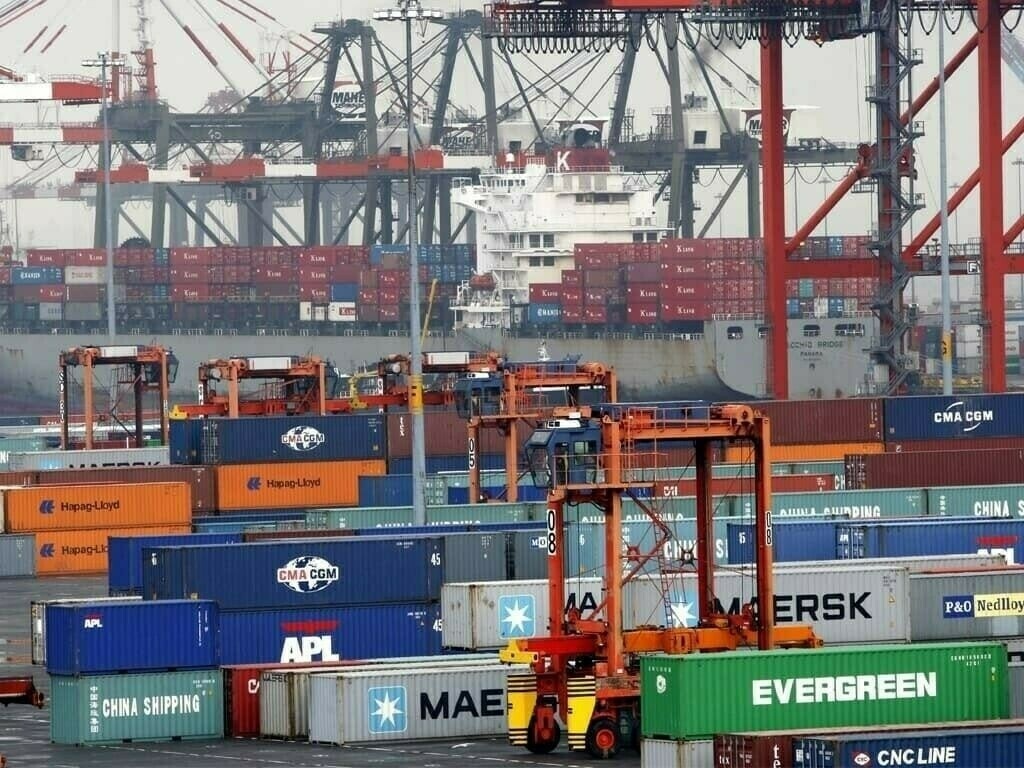

Pakistan has long run a trade deficit. That gap burdens our foreign reserves. It weakens the rupee. It makes every crisis harder to manage.
Yes, the depreciation of the PKR is both symptom and cause. When trade remains unbalanced, capital flees, reserves shrink, and the rupee loses value. That, in turn, raises the cost of imported inputs e.g. fuel, machinery, chemicals, and pushes inflation higher. We need to break out of that cycle.
We must choose a handful of industries for focused import substitution and export growth. We should channel promised GCC (especially Saudi) investment into those sectors. We must fix the institutional and infrastructural bottlenecks. And we must think long term.
Not all sectors are equal. We should pick those that: (a) replace imports of inputs or finished goods, (b) have export potential, (c) allow technology transfer, (d) build forward and backward linkages. Here are sectors I believe should lead the priority list.
Textiles and apparel
Textiles remain our flagship export. Over the years, some firms have modernized and become vertically integrated. They spin, weave, dye, and stitch under one roof. Some have also entered new areas such as performance fabrics and technical textiles. But this progress is still limited to a few players.
The bulk of our exports are still at the lower end, i.e. yarn, basic fabric, and generic garments. We must expand the base of high-value manufacturing. Pakistan needs to produce more advanced fabrics, medical and sports textiles, and smart materials.
Chemicals, petrochemicals and plastics
Pakistan imports large volumes of chemicals, resins, synthetic materials, polymers, fertilizers. If we build local capacity to produce these, we can cut import bills and increase exports of value-added chemicals and polymers.
Iron and steel and non-ferrous metals
Steel is central to construction, machinery, infrastructure, automotive. We already have a steel industry, but it must be scaled, modernized, and integrated with upstream raw materials (iron ore, scrap). The Federation of Pakistan Chambers of Commerce & Industry (FPCCI) has proposed tax and rebate incentives to revive steel and cut reliance on imports. For non-ferrous metals like aluminium, copper, etc., Pakistan should push mining + refining + alloying capacity so we don’t export raw ore only to import finished metal.
Agro-processing and food & beverages
We have strength in cotton, rice, fruits, nuts, pulses, etc. But most of this is exported raw or semi-processed. We should invest in high quality processing: packaged food, juices, dried fruits, nut oils, ready-to-eat products. That allows import substitution (e.g. for vegetable oils, canned goods) and exports of differentiated products.
Pharmaceuticals & medical devices
Our pharmaceutical sector is sizable, but we import nearly all active pharmaceutical ingredients (APIs) and many specialized dosage forms, biologics, and devices. If we build API plants, biotech, local R&D, and encourage licensing / technology transfer, we can both save foreign exchange and develop exportable medicines, especially to regional countries.
Electronics, electrical & renewable energy components
We import power electronics, inverters, batteries, solar panels, switchgear, cables, LED lighting. Global demand for renewables and electrification is high. If we localize manufacturing or assembly of these, we can serve both our domestic market and export to neighbouring countries (Afghanistan, Central Asia and Africa).
Mining, minerals and value-added processing
Pakistan has mineral wealth: copper, gold, lithium, gemstones, etc. But much is exported in raw form. We should promote beneficiation, refining, smelting, metallurgical processing domestically. That retains more value and creates exportable intermediate and final products.
Defence, aerospace and drone manufacturing
This is ambitious, but promising. Pakistan has a baseline defence manufacturing capacity. We should expand it: parts, electronics, avionics, UAVs, sensors, light aircraft. The goal: niche exports to countries that need capable yet lower-cost systems.
To simplify: in the first 3 years, focus on textiles (upgrade), chemicals, steel, agro-processing. Over 3–7 years ramp electronics, pharmaceuticals, defence components. Over a decade aim for full aerospace, deep tech, advanced manufacturing.
How should GCC/Saudi investment be deployed?
Foreign investment is a force multiplier if directed smartly. Anchor it in export-oriented sectors above. Don’t let it go only to real estate or passive investments. Require local content clauses: part of inputs must come from Pakistani firms. Demand technology transfer and joint R&D. Make sure a share of output is for export, not just for domestic offtake. Use export processing zones (EPZs) and incentives.
EPZs should offer tax breaks, duty-free import of machinery and raw materials and streamlined regulation. The Export Processing Zones Authority is already the body overseeing these. Use GCC capital to build shared infrastructure: industrial parks, ports, roads, logistics corridors. That lowers costs for all firms. If GCC funds go into building strong export capacity, Pakistan can leverage that capital into structural surplus.
What has held us back from industrial success?
We face a web of constraints. Unreliable and costly energy: power outages, high tariffs, poor gas supply raise costs for industry. Poor logistics and infrastructure: bad roads, weak rail, bottlenecks at ports. Fragmented small-scale plants: most firms are too small to benefit from economies of scale. Weak innovation and R&D: low linkages between academia and industry, limited technology adoption. Policy instability, red tape, regulatory unpredictability: investors hate sudden changes.
Dependence on imported intermediates: many local firms still rely on imported inputs, making them vulnerable. Export basket low tech: we remain stuck exporting basic goods. Finance constraints: lack of long-term capital, high interest rates, limited access to credit. Macro instability: fiscal deficits, inflation, high debt, weak reserves all erode confidence. Unless we remove these macro and structural constraints, even the best industrial plan will struggle.
What is CPEC phase-II? Can it help industrialize Pakistan?
CPEC (China-Pakistan Economic Corridor) has largely been associated with infrastructure: roads and power plants. Phase-II is supposed to shift the focus towards industrialisation, agriculture, digital, socio-economic development.
The idea is to use the infrastructure base to build industrial corridors and clusters, backed by Special Economic Zones (SEZs) with incentives, and integrate Chinese investment with Pakistani supply chains. If CPEC 2.0 is done well, it can: (a) deliver power, roads, logistics for clusters, (b) bring in Chinese firms into joint ventures with Pakistani firms, (c) support export-oriented manufacturing in corridor zones, and (d) attract industrial relocation from China into Pakistan. So yes, CPEC Phase-II can help but only if Pakistan uses it smartly: making sure SEZs are connected, export-oriented, locally integrated, and competitive.
Can we produce weapons, planes, defence goods and export them?
Many question this dream. But I believe it is possible over time. Strengths we have: (a) a base defence industry already exists, (b) geopolitical legitimacy and security credentials, and (c) skilled engineers and technical capacity.
Conclusion and suggested roadmap
Pakistan’s trade deficit is a root cause of our currency woes. Fix that, and you begin easing macro stresses. We must direct capital into priority sectors with export potential.
The sectors I recommend are textiles (value-add), chemicals & polymers, steel & metals, agro-processing, pharma, electronics, mining, defence components. GCC, including Saudi capital must be tied to the sectors with local content, export obligations and technology transfer. The bottlenecks we must overcome are energy, logistics, policy instability, fragmented scale, weak innovation. CPEC Phase-II is potentially transformational if it focuses on industrial corridors and export zones. Defence exports are also possible with medium- to long-term planning.
Copyright Business Recorder, 2025
The writer is a Senior Partner of a law firm, RIAA Barker Gillette. The views expressed in this column do not necessarily represent the views of his firm





















Comments
Comments are closed for this article.