


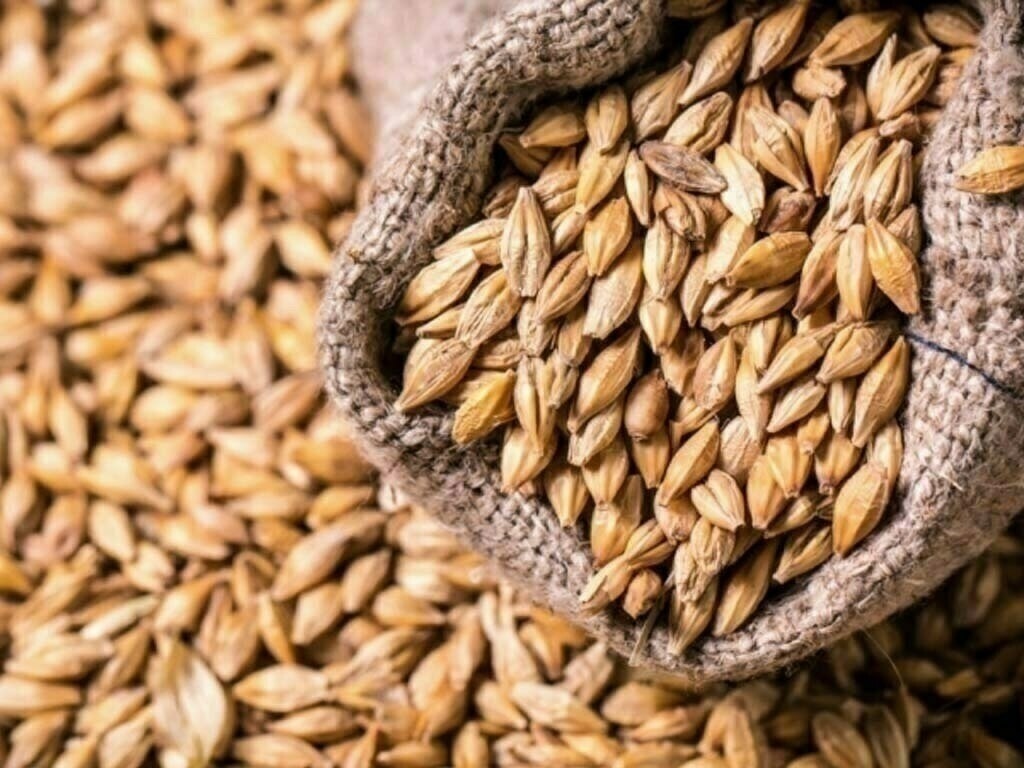
EDITORIAL: National CPI has breached 5 percent in September 2025 after a break of 11 months. Of this increase, 90 basis points have been contributed by the stellar surge in wheat and wheat product prices.
Wheat grain prices alone rose by as much as a spectacular 50 percent over last month. What is unfolding is not just an inflationary spike but a damning indictment of Pakistan’s mishandling of wheat policy, where illusion was passed off as reform, and expediency as strategy.
For two years, policymakers loudly declared that the era of state-controlled wheat markets was over. Procurement would be scaled down, the private sector would take over, and market signals would finally flow without distortion. Yet nothing was built in place of what was dismantled.
No credible market benchmark for pricing was established. No transition mechanisms to cushion farmers against volatility were designed. No transparent channels to attract private buyers were introduced. And no institutional scaffolding was created to ensure storage, liquidity, or orderly trade flows.
What passed for “reform” was little more than fiscal manoeuvring disguised as deregulation: the state sold down its public stocks early, suppressed exports, and manufactured a brief window of disinflation by holding down farmer incomes.
The consequences are now plain. Even as global prices remain largely stable, domestic wheat has snapped back with extraordinary force, exposing the hollow foundations of Pakistan’s reform narrative.
Faced with surging local prices, the government is once again seeking to revive the Minimum Support Price. But this is no mere course correction. It is the public confession of failure. After two years of promising transition, nothing exists to prevent a relapse into the very distortions that created the crisis in the first place.
The tragedy is that real reform was never about abandoning food security; it was about replacing blunt instruments with smarter ones.
A functioning wheat economy requires tools that balance producer viability with consumer affordability. That means a transparent and independent price benchmark tied to international parity rather than political fiat.
It means targeted downside protection for growers through risk-transfer mechanisms instead of blanket procurement. It means transparent trade policy, where imports and exports are governed by rules, not by ministerial discretion.
And it means private storage and trade are incentivised, not crowded out by state hoarding or abrupt policy U-turns.
None of this is radical economics. These are the minimum rails on which any market-based system can run. Yet Pakistan remains stuck in the politics of MSP, swinging between arbitrary generosity and punitive withdrawal.
Farmers are whiplashed by uncertainty, traders are deterred from building supply chains, and financiers see no reason to risk capital in an arena where rules are written and rewritten by the week. What emerges is not deregulation, nor state stewardship, but a cycle of volatility institutionalized by design.
The numbers speak louder than rhetoric. A 50 percent month-on-month spike is not just a seasonal blip; it is evidence that price discovery has no anchor. A near one percentage point contribution to CPI from wheat in a single month is not just an agricultural issue; it is macroeconomic destabilisation, bleeding directly into monetary policy credibility and external account management.
And when the government’s response is to dust off the MSP playbook, it is signalling to both domestic and external stakeholders that reform is reversible, and that commitments made under duress to the IMF or to the public are worth less than the paper they are written on.
The way forward is not complicated, though it demands political will. First, establish a credible national price benchmark that reflects both domestic market realities and international trends. This should not be the product of bureaucratic guesswork but of independent, transparent reporting.
Second, create predictable trade rules for wheat: define in advance the conditions under which imports are opened or exports allowed, and stop using administrative bans as a crutch.
Third, rationalise public procurement to the narrow task of maintaining a strategic reserve sufficient for two months of consumption, rather than treating the state as perpetual buyer of last resort.
Fourth, develop targeted protection tools for farmers that insure them against catastrophic losses without distorting the entire market. And fifth, invest in the enabling environment such as storage, collateral systems, and data transparency that allows the private sector to function.
These are not fanciful ideas. They are the standard building blocks of a modern commodity market. Countries with smaller fiscal space and weaker institutions than Pakistan have managed such transitions.
The problem here is not capacity but intent. For too long, wheat has been treated as an instrument of political theatre: a lever to appease farmers in one season, consumers in the next, and the IMF whenever it asks. The cost of this theatre is now spilling over into the broader economy, eroding reform credibility and undermining inflation management.
The IMF, for its part, should not be complicit in this cycle. Allowing Pakistan to reimpose MSP without sequencing, without scaffolding, and without a long-term roadmap would be to bless volatility as policy.
The Fund should insist that any short-term interventions be accompanied by binding commitments to transition tools that genuinely deregulate rather than disguise fiscal patchwork. Otherwise, the very logic of conditionality, credibility and permanence of reform collapses.
Wheat reform was never about ideology. It was about pragmatism: to ensure that Pakistan does not bankrupt itself financing distorted procurement, while also ensuring that farmers are not left destitute and consumers are not hostage to manipulation. That balance cannot be struck through MSP reversals and policy improvisation. It can only be achieved through deliberate sequencing, transparent rules, and institution-building.
Every month lost to dithering and every season wasted on theatrics pushes the country deeper into a cycle of crisis and reversal.
Pakistan is not out of options; it is out of time. A wheat market that sees 50 percent monthly price spikes is not a market; it is nothing but a failure of governance. To pretend otherwise, or to stage another illusion of reform, would not just betray farmers and consumers. It would bury what little credibility remains in the state’s ability to steward the economy.
Copyright Business Recorder, 2025






















Comments
Comments are closed for this article.