


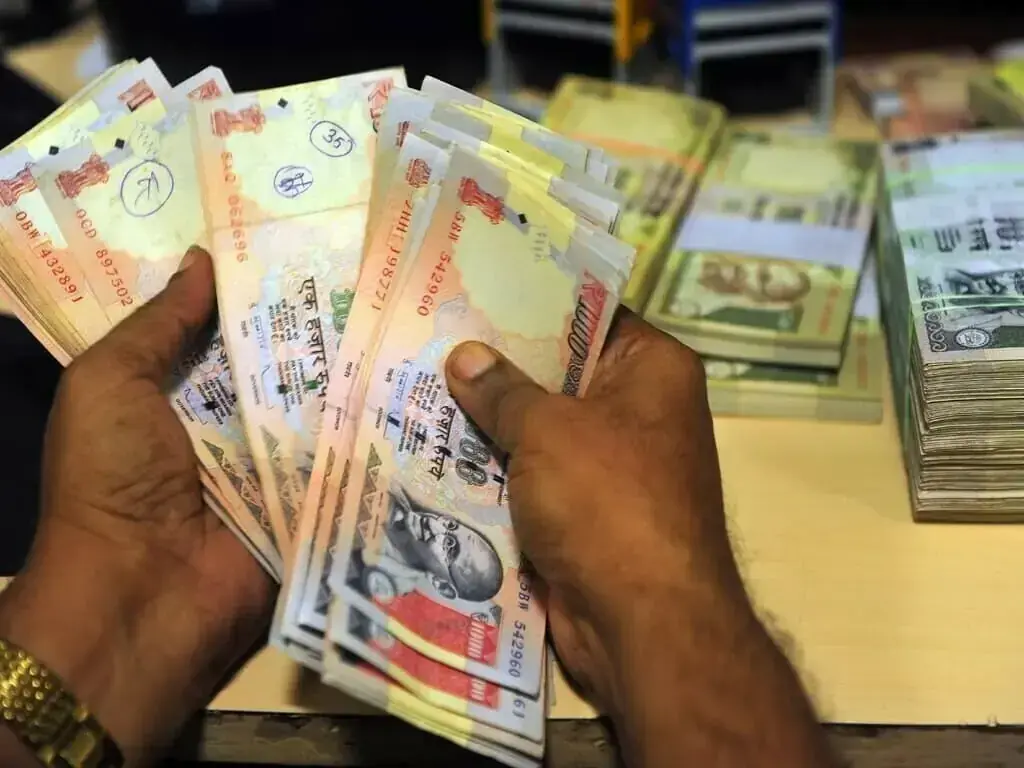

MUMBAI: The Indian rupee hit a record low on Tuesday, hurt by lingering concerns over the impact of steep U.S. tariffs and a sharp jump in H-1B visa fees, though likely central bank intervention helped limit the losses.
The currency slid to 88.7975 per dollar before closing at 88.7550, down 0.5% on the day in its steepest drop in nearly a month.
The rupee has fallen more than 3.5% this year, making it one of the region’s worst performers.
Its latest slide followed a sharp hike in H-1B visa fees that threatens profits in India’s IT sector, adding to pressure from 50% U.S. tariffs on Indian goods, the highest in Asia.
Economists at HSBC estimate that the 5.4 million Indians in the U.S. cumulatively send back about $33 billion in remittances to the country each year.
There are about 80,000 new visa applicants each year, and if they were to not get entry, remittance inflows could fall by about $500 million, they said in a Tuesday note.
“The risk is that more restrictions on services exports follow, and the lowering of the 50% tariff takes longer than markets are factoring in.”
India’s benchmark equity indexes, the BSE Sensex and Nifty 50 were little changed on the day but IT stocks declined 0.7%, adding to a 18% fall over the year so far even as the broader stock gauge has risen 6.5%.
On Tuesday, the central bank likely stepped in to support the rupee but did not appear inclined to defend a specific level, traders said, adding that its measured approach suggests it may allow a gradual weakening of the currency.
“The rupee appears to be reflecting the pressure on India’s external sector even as domestic cues, such as recent tax cuts and strong business activity data, offer a positive impluse, said Dilip Parmar,” a foreign exchange research analyst at HDFC Securities.
The local unit was consistently cited as a currency with a weaker outlook in a September emerging market sentiment survey conducted by HSBC.
“Brazil and India, which were highlighted as the top economies in the previous survey, lost prominence after both were targeted with a 50% tariff rate,” the survey said.
Despite persistent headwinds facing the currency, market expectations for sharp swings remains subdued due to the increased participation of companies in the options market and subdued offshore demand for options that bet on its fall.




















Comments
Comments are closed for this article.