


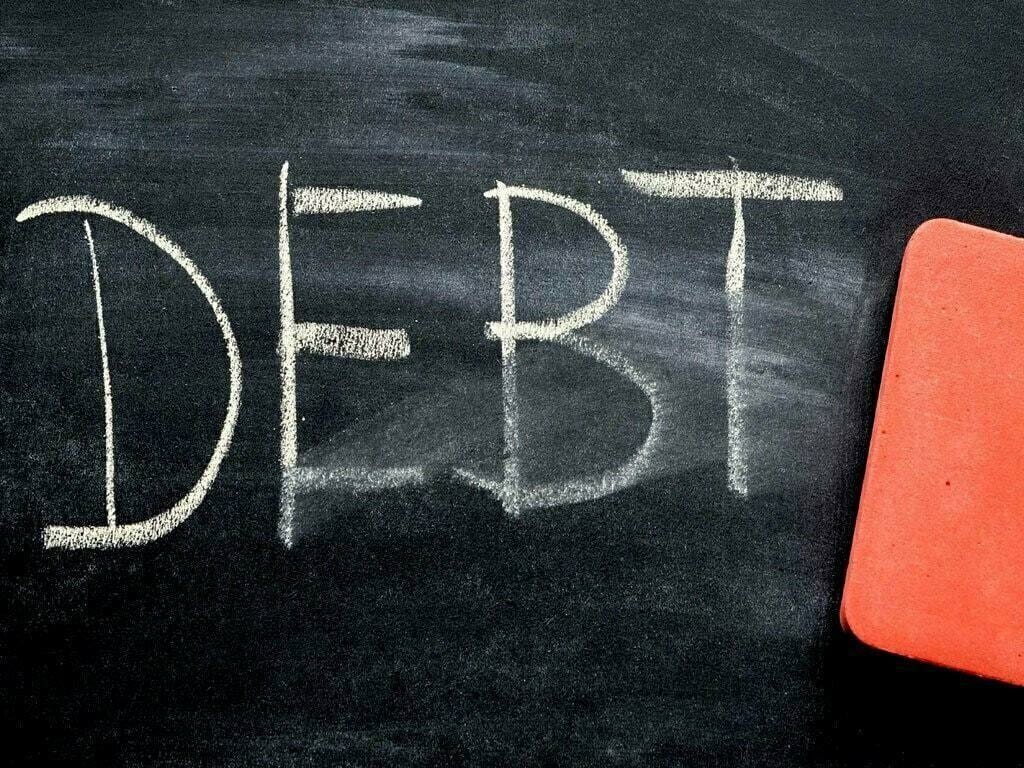
EDITORIAL: Pakistan’s fiscal trajectory in September 2025 underscores a persistent tension between policy intentions and ground realities. While the government emphasises fiscal consolidation and debt sustainability, central government debt continues to climb, raising concerns about the country’s medium-term fiscal health.
As of July 2025, total debt stood at Rs 78.2 trillion, up 12.4 percent year-on-year, with domestic debt reaching Rs 54.9 trillion and external debt Rs 23.3 trillion. The government has taken steps to improve debt management, including early repayments and extending loan maturities, yet these measures alone cannot address the structural pressures on public finances.
The Ministry of Finance continues to highlight the declining debt-to-GDP ratio as a sign of fiscal progress, citing alignment with the Fiscal Responsibility and Debt Limitation Act. The Debt Management Office, in its Medium-Term Debt Management Strategy for FY26–28, projects a debt-to-GDP ratio of 66 percent for FY26.
Yet this target appears ambitious, particularly after the country missed the FY25 benchmark of 68 percent. Without a marked acceleration in structural reforms, especially in the state-owned enterprise sector where progress remains sluggish despite the ongoing IMF programme, fiscal haemorrhaging is likely to persist.
Persistent losses and inefficiencies in these enterprises continue to necessitate increased borrowing to plug budgetary gaps, highlighting the limits of technical debt management strategies in the absence of deeper reforms.
Debt servicing requirements, projected at USD 26 billion in FY26, continue to strain foreign exchange reserves and heighten the risk of credit rating pressures.
Natural disasters, such as the recent floods, have further compounded these challenges, intensifying inflationary pressures and testing the government’s flexibility within the FY26 budget. While measures such as lowering interest costs and prepaying high-cost loans provide some breathing space, the structural imbalance in revenue generation and expenditure continues to pose a significant risk to fiscal stability.
Looking ahead, Pakistan’s medium-term fiscal outlook hinges critically on a decisive action in revenue mobilisation, expenditure rationalisation, and structural reforms.
Investment in sectors capable of driving sustainable growth, including technology, manufacturing, and agriculture, will be vital. Without comprehensive and timely reforms, the country risks entering a cycle of rising debt and constrained fiscal flexibility, with broader implications for growth, development, and social spending.
The government’s rhetoric of consolidation must therefore be matched by credible, measurable actions, or the promise of improved debt sustainability will remain largely aspirational, to say the least.
Copyright Business Recorder, 2025


















Comments
Comments are closed for this article.