



This is apropos a series of letters to the Editor from this writer carried by the newspaper in recent days. e, long-term strategy that prioritizes influence over intimidation.
China’s approach is deliberate and multidimensional. Through its Belt and Road Initiative (BRI), Beijing has invested more than $1.3 trillion across 150 countries, building highways, railways, deep-sea ports, power grids, and industrial zones. These are not symbolic gestures but economic lifelines that tether local economies to China’s ecosystem. From Pakistan’s Gwadar Port to Kenya’s Lamu Port, Beijing has forged relationships that cannot be easily disrupted by U.S. pressure.
The result is a sphere of influence rooted in shared development rather than military dependency. China has also built a strategic shield through its dominance over rare earth elements and critical minerals—resources essential for iPhones, EV batteries, satellites, AI chips, and advanced fighter jets.
Controlling 70–80% of global refining capacity, China holds enormous leverage over industries vital to Western economies and defense systems.
In a potential conflict, Beijing would not need to launch missiles to undermine its rivals; it could simply restrict access to the screws, magnets, and chips that power modern technology and weaponry.
Complementing this economic and resource advantage is China’s “String of Pearls” strategy, which secures critical maritime chokepoints across the Indian Ocean, South China Sea, and Pacific Rim.
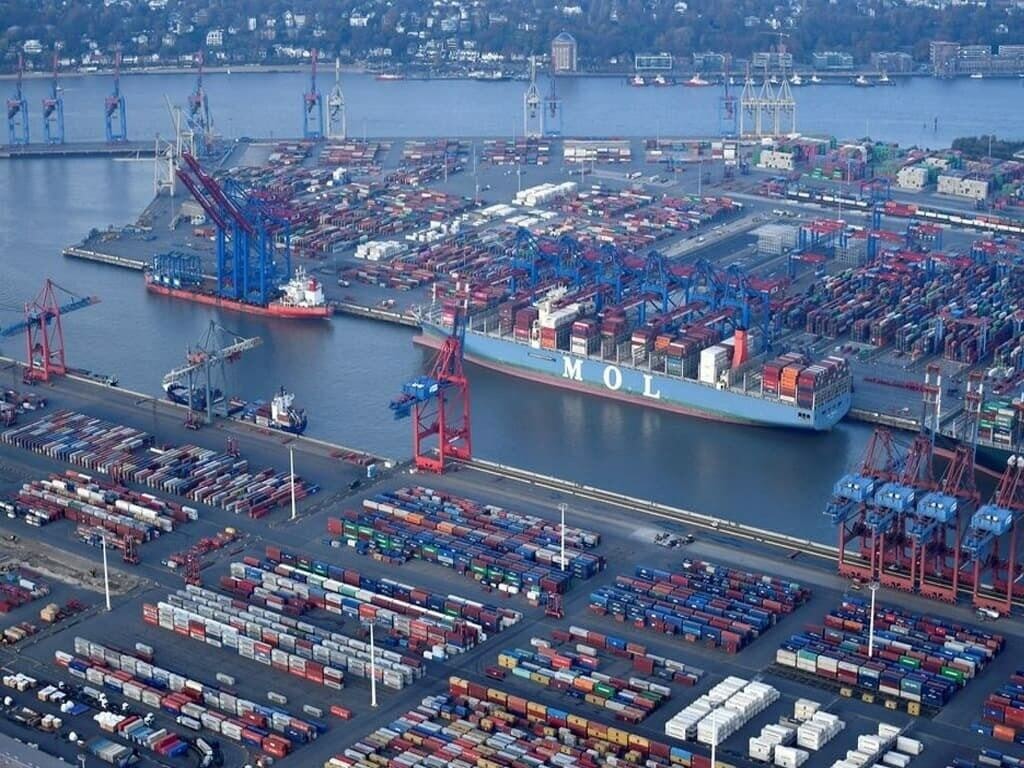
Through strategic investments in ports such as Hambantota in Sri Lanka, Kyaukpyu in Myanmar, and Djibouti, China has quietly built a logistics network supporting both trade and potential naval operations. These assets secure China’s dominance over shipping lanes carrying more than 60% of global trade and provide its navy with unprecedented reach and resilience.
Copyright Business Recorder, 2025
The writer is a former Press Secretary to the President, An ex-Press Minister at Embassy of Pakistan to France, a former MD, SRBC Macomb, Detroit, Michigan

























Comments
Comments are closed for this article.