


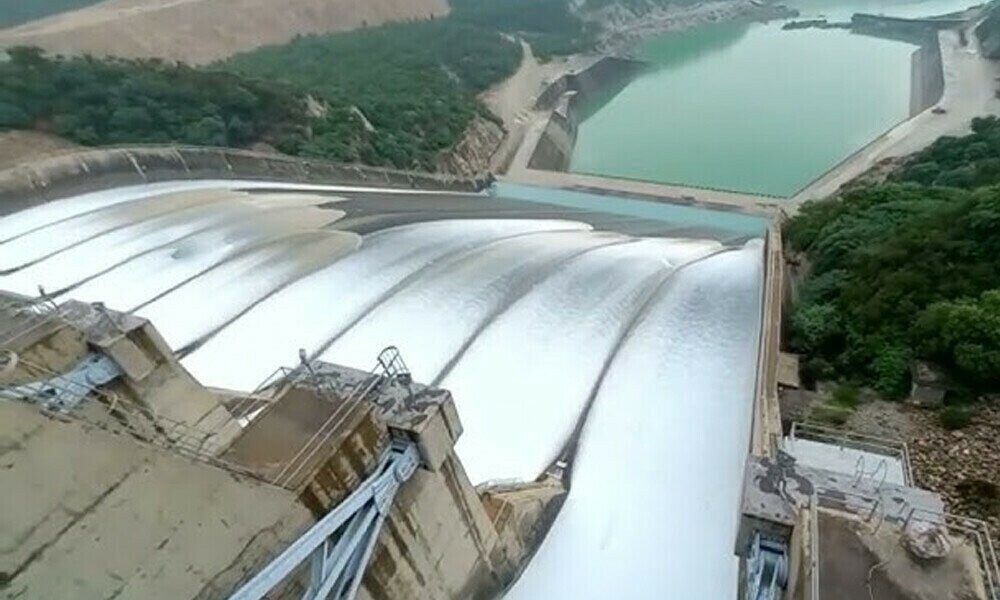

Wapda’s FY 2026 tariff petition before NEPRA is unfolding not as a routine cost recovery exercise, but as a vivid chronicle of hydropower’s unravelling promise.
In seeking to raise its total revenue requirement to nearly Rs 365 billion, WAPDA isn’t merely banking on expanded capital expenditure and operational costs—it is also placing its bets on a slight uptick in power output.
Indeed, the authority projects total generation from its assets to reach 31,563 GWh in FY 2026, up marginally from 31,286 GWh in FY 2023, a modest gain that underscores just how limited hydel capacity gains have become
The real story lies in what’s fuelling this revenue demand: ballooning O&M and depreciation costs, escalating returns on both existing plants and ongoing projects, and a mounting arrears load from prior years.
WAPDA’s core revenue requirement—exclusive of levies—is now in excess of Rs 318 billion, about a 165 percent surge compared to FY 2023. Meanwhile, the hydel profits and levies payable to provinces (KP, Punjab, AJK) remain substantial, collectively siphoning off significant sums that further inflate the tariff base.
Nepra has flagged several issues as it scrutinizes the petition: notably, overblown O&M claims, missing pension documentation, outdated project approval (PC-I) revisions, and absence of updated energy purchase agreements. These technical gaps underscore deeper institutional frictions—where execution, financing, and tariff-setting continue to drift apart.
Against this backdrop, September 11’s public hearing is poised to be a clash between WAPDA’s case for full cost-plus recovery and Nepra’s duty to enforce efficiency and protect consumers. Hydropower, once the sector’s low-cost bedrock, now carries costs that echo IPP models: capacity payments, retroactive gap recoveries, and generous ROI provisions.
Even though hydel power gets pooled in the wider cost basket—so consumers might not feel a direct, line-item tariff hit—the broader implications are clear. Every additional rupee locked into hydel’s complex cost budget translates to heightened circular debt, constrained fiscal space, and less room for genuine reform. The modest generation boost of just 277 GWh over two years makes the aggressive revenue ask appear even more strained.
To reclaim hydropower’s original economic promise, future tariff filings must veer away from cost-inflation drivers and toward performance incentives, timeliness in documentation, and genuine efficiency benchmarks. Without these, the tragic irony looms ever larger: the clean, renewable electricity of our rivers risking becoming another financial drag.




















Comments
Comments are closed for this article.