


Auditor General of Pakistan asked to conduct IPPs’ audit
- Parliament’s Public Accounts Committee launches renewed push for accountability in Pakistan’s power sector
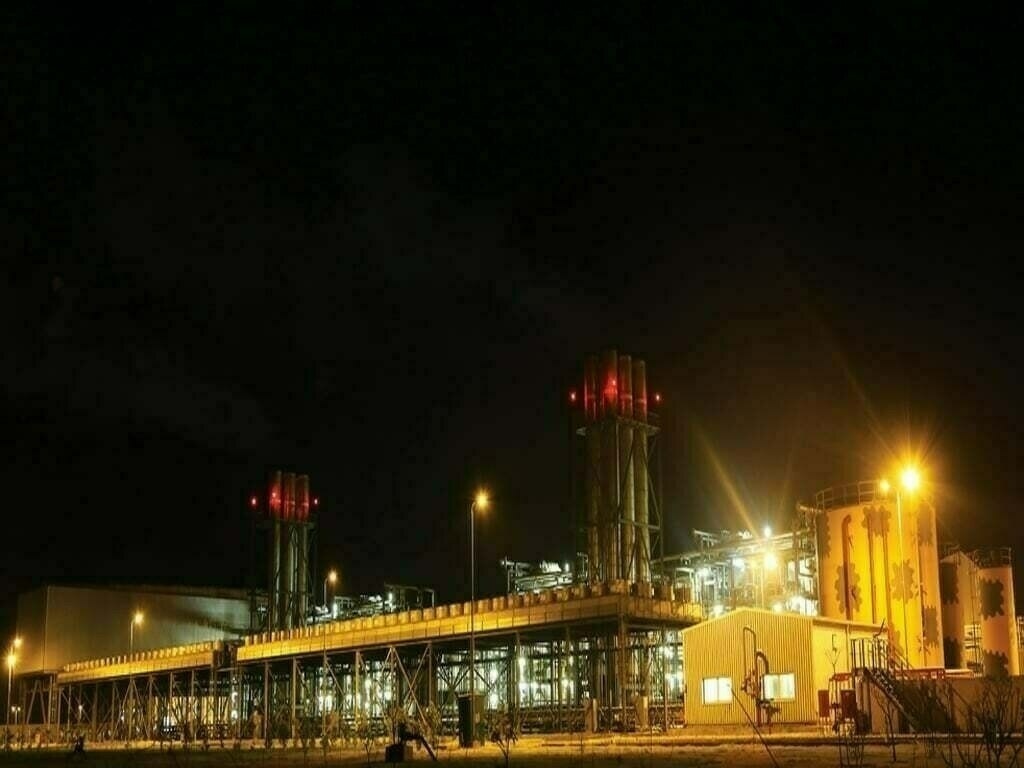

ISLAMABAD: Parliament’s Public Accounts Committee (PAC) has launched a renewed push for accountability in Pakistan’s power sector, directing the Auditor General of Pakistan to conduct a special audit of Independent Power Producers (IPPs). The move comes amid growing concerns over soaring capacity payments, questionable policy decisions, and the economic burden placed on citizens.
Chaired by MNA Junaid Akbar, the PAC meeting scrutinized nearly a decade of data related to the country’s private power generation sector. Despite a sharp rise in installed capacity—from 9,765 MW in 2015 to 26,642 MW in 2024 — and a doubling of electricity generation, members questioned whether these investments delivered value for money.
More alarming was the escalation in capacity payments to IPPs, which ballooned from Rs 141.5 billion in 2015 to a staggering Rs 1.434 trillion in 2024. These payments are made regardless of actual electricity supplied and are now seen as a major contributor to the spiraling cost of electricity in Pakistan.
Chinese CPEC IPPs press Pakistan govt for Rs475bn dues
“This is not just about numbers—it’s about decisions that have economically burdened millions,” one PAC member remarked during the session. The Committee criticized the Power Division and its affiliated agencies for failing to provide comprehensive data on energy generation, usage, and cost-effectiveness.
The establishment of the Sahiwal coal plant using imported coal came under heavy fire, with lawmakers questioning the rationale behind choosing expensive and environmentally harmful energy sources. “When the world is exiting coal, why is Pakistan digging deeper into it—literally and financially?” asked one member. Environmental costs and transport inefficiencies only added to the scrutiny.
Another major issue raised was the apparent misappropriation of Rs 45 billion from fuel payments to capital expenditures. The matter was referred to the Federal Investigation Agency (FIA) for a full inquiry and potential recovery.
Members also flagged the paradox of load-shedding continuing despite surplus generation capacity. The Committee demanded to know why the surplus power was not being directed toward industrial and agricultural growth. The Power Division Secretary said that limited surplus electricity was temporarily provided to industries during the winter with IMF consent—and a longer-term plan is under consideration.
The Committee also targeted inconsistencies in energy policy, such as the continued reliance on imported LNG while cheaper domestic gas plants remain idle—yet still receive capacity payments. With millions living below the poverty line, members described this as “an unacceptable failure of governance.”
Concern was also raised about the complex criteria for “protected consumers.” Lawmakers argued that the six-month condition for receiving subsidies unfairly excludes vulnerable households. Officials disclosed that protected consumers increased from 11 million in 2018–19 to 18.7 million in 2025, with subsidies now reaching Rs 389.9 billion annually. A shift to a targeted subsidy system via BISP data is planned by 2027.
Copyright Business Recorder, 2025
























Comments
Comments are closed for this article.