


Lula rejects ‘humiliation’ of calling Trump over US-Brazil tariff
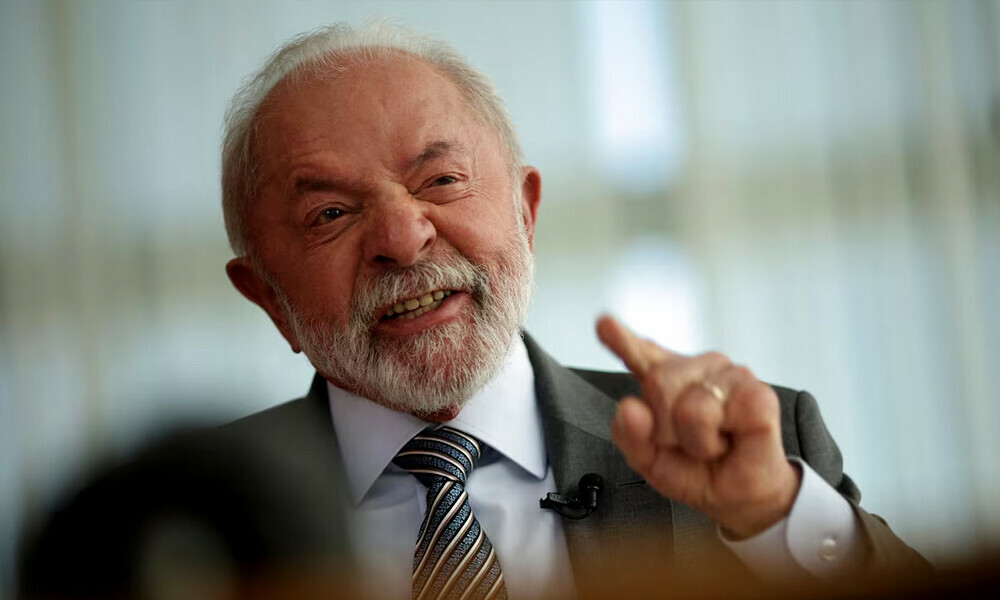

BRASILIA: As U.S. tariffs on Brazilian goods jumped to 50% on Wednesday, Brazil’s President Luiz Inacio Lula da Silva told Reuters in an interview that he saw no room for direct talks with U.S. President Donald Trump which he believes would turn into a “humiliation” for him.
Brazil is not about to announce reciprocal tariffs, he said. Nor will his government give up on cabinet-level talks. But Lula himself is in no rush to ring the White House.
“The day my intuition says Trump is ready to talk, I won’t hesitate to call him,” Lula said in an interview from his presidential residence in Brasilia. “But today my intuition says he doesn’t want to talk. And I’m not going to humiliate myself.”
Despite Brazil’s exports facing one of the highest tariffs imposed by Trump, the new U.S. trade barriers look unlikely to derail Latin America’s largest economy, giving Lula more room to stand his ground against Trump than most Western leaders.
Lula described U.S.-Brazil relations at a 200-year nadir after Trump tied the new tariff to his demand for an end to the prosecution of right-wing former President Jair Bolsonaro, who is standing trial for plotting to overturn the 2022 election.
Brazil’s Lula says he won’t take orders from ‘gringo’ Trump
The president said Brazil’s Supreme Court, which is hearing the case against Bolsonaro, “does not care what Trump says and it should not,” adding that Bolsonaro should face another trial for provoking Trump’s intervention, calling the right-wing former president a “traitor to the homeland.”
“We had already pardoned the U.S. intervention in the 1964 coup,” said Lula, who got his political start as a union leader protesting against the military government that followed. “But this now is not a small intervention. It’s the president of the United States thinking he can dictate rules for a sovereign country like Brazil. It’s unacceptable.”
Lula said his ministers were struggling to open talks with U.S. peers, so his government was focused on domestic measures to cushion the economic blow of U.S. tariffs, while maintaining “fiscal responsibility.”
He also said he was planning to call leaders from the BRICS group of developing nations, starting with India and China, to discuss the possibility of a joint response to U.S. tariffs.
Lula also described plans to create a new national policy for Brazil’s strategic mineral resources, treating them as a matter of “national sovereignty” to break with a history of mining exports that added little value in Brazil.




















Comments
Comments are closed for this article.