


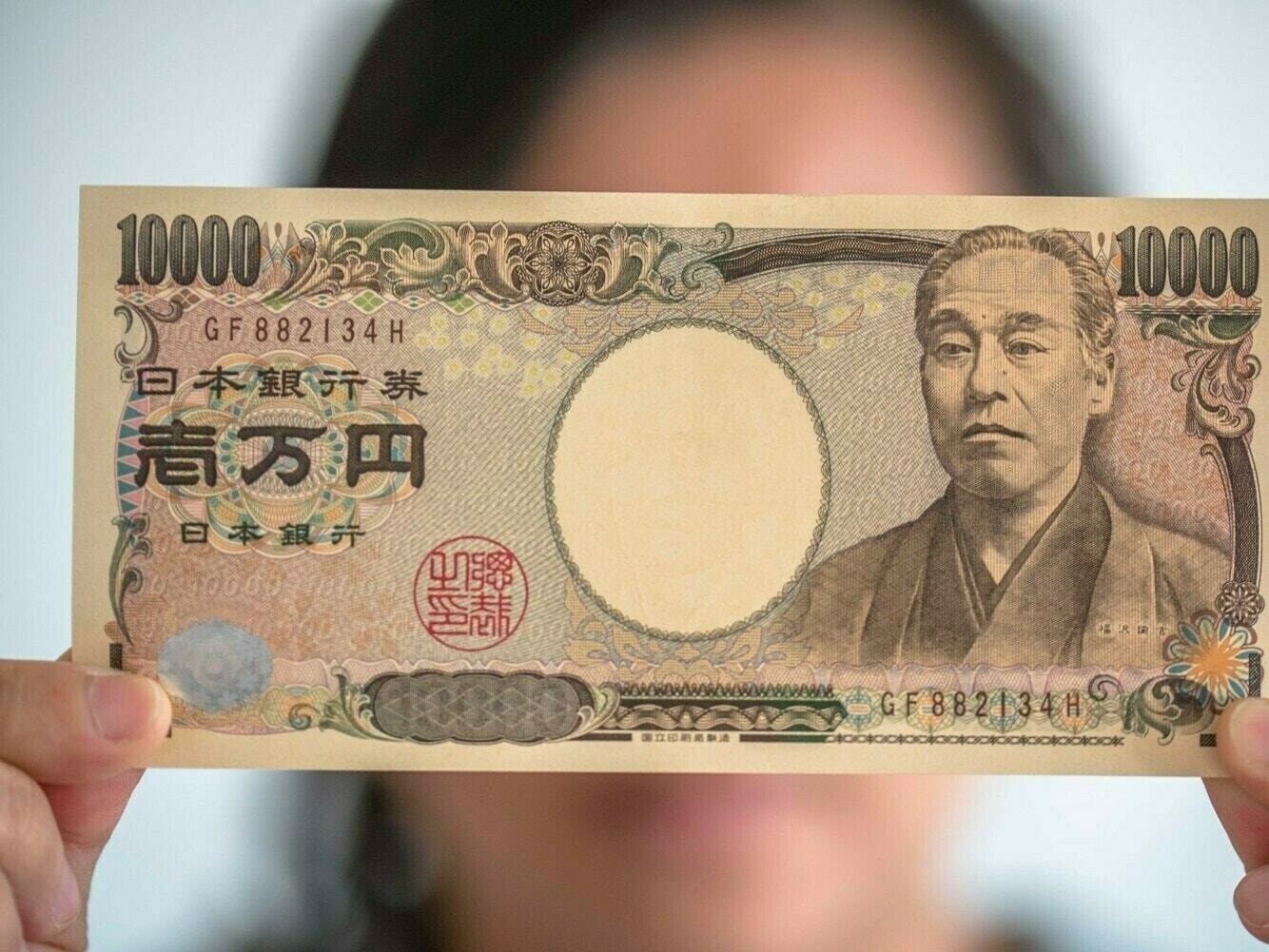

NEW YORK: The Japanese yen gained against the dollar and euro on Wednesday in choppy trading as investors weighed speculation about Prime Minister Shigeru Ishiba’s future against US President Donald Trump’s announcement of a trade deal with the world’s fifth largest economy.
The trade agreement also spurred risk-taking in financial markets, with Wall Street and US Treasuries mostly lower.
The safe-haven Swiss franc was down against the dollar. The latter rose 0.3% to 0.7941 franc against the Swiss currency.
The Japanese currency initially hit its strongest level since July 11 at 146.20 per dollar on the trade news but flipped to losses after reports that Ishiba intends to step down next month following a bruising upper house election defeat.
Ishiba denied the reports that he had decided to resign, calling them “completely unfounded”. The yen then recovered to leave the dollar last down 0.1% at 146.44 yen.
The Japanese unit also rose against the euro, which fell 0.3% to 171.82.
The trade deal - which lowers tariffs on auto imports and spares Tokyo from punishing new levies - affects the yen both because of what it means for the economy and the Bank of Japan, which has been cautiously raising interest rates.
The agreement gave the BOJ the flexibility to raise interest rates this year.
“We expected a cleaner drop in the pair (dollar/yen) but have been surprised by (its) bid in the Asia sessions so far,” wrote Jordan Rochester, head of FICC Strategy EMEA at Mizuho Bank in a research note.
Moves in other currencies were muted due to the uncertainty around tariffs, as well as doubts about how currencies would react even if there were any greater certainty.
The US dollar had been one of the biggest losers since Trump announced sweeping tariffs on trading partners on April 2, weakness which continued as those duties were suspended to allow further negotiations, but which has steadied this month.
The August 1 deadline for tariff deals still loomed for many countries and investors remained cautious about how this will all play out.
In other currencies, the euro was last down 0.2% against the dollar on the day at $1.1727, with trade negotiators from the European Union in Washington for a meeting on Wednesday.
On the week, the euro has advanced 0.81% versus the dollar, possibly helped by fading expectations of a collapse in global trade that would see flows out of the United States continue.
In contrast to the euro, European equities rallied on hopes the trade deal with Japan could clear the way for more deals, including with Europe.
On the monetary policy front, the European Central Bank meets on Thursday, but that is unlikely to have a dramatic effect on the currency and is expected to hold rates steady.
Sterling was slightly up at $1.3543,.
The improved sentiment towards the global economy from the trade deal, as well as higher metal prices, boosted the Australian dollar, last up 0.4% at US$0.6584. Earlier in the session, the Aussie hit an eight-month high.




















Comments
Comments are closed for this article.