


Wage employment: Women in Pakistan earn significantly less than men: study

ISLAMABAD: Pakistani women in wage employment earn significantly less than men —by approximately 25 to 30 percent, depending on the wage metric. The disparity is especially stark in the informal economy, where the gap widens to 40 percent due to limited enforcement of labour laws and lack of protections.
This was revealed at the launch of Pakistan’s Gender Pay Gap Report.
Stakeholders on this occasion unanimously agreed on short, medium, and long-term objectives and jointly developed a National Action Plan to address the gender pay gap. Participants emphasised that closing these disparities can increase women’s labour force participation and drive inclusive economic growth.
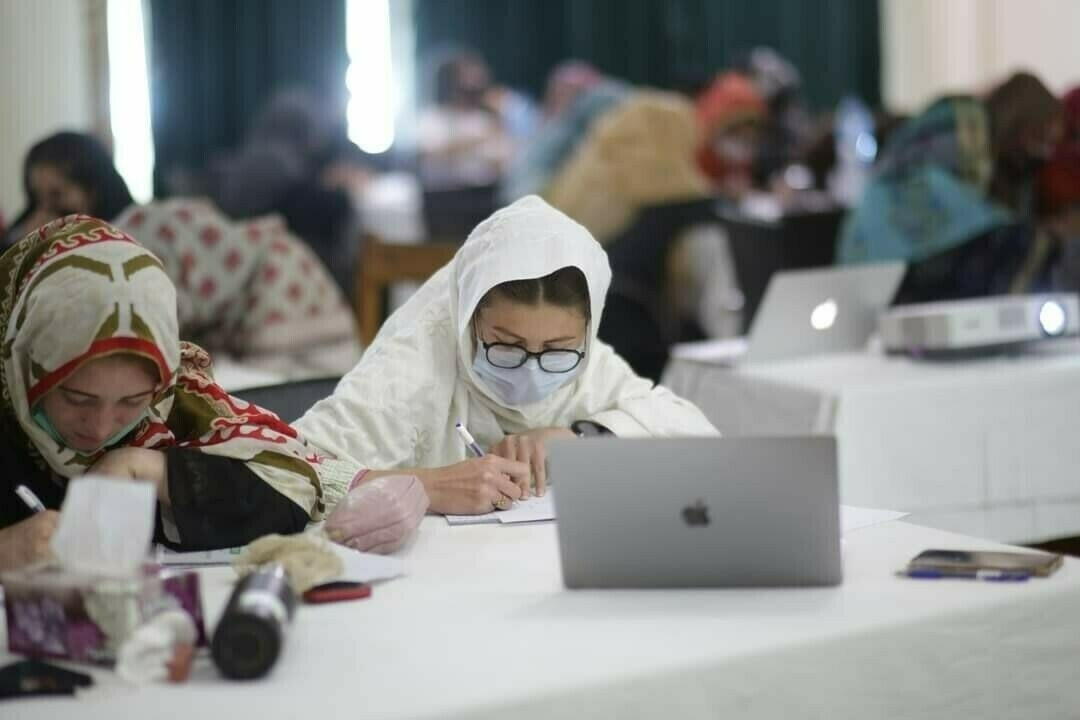
The national workshop — organised by the Ministry of Overseas Pakistanis and Human Resource Development (MOPHRD) in collaboration with the International Labour Organization (ILO) — brought together policymakers, employers, workers’ representatives, and technical experts to identify practical policy and legal reforms to promote equal pay and wage equity.
It identifies key drivers of this gap, including occupational segregation, informal work, and discriminatory practices. Crucially, much of the gap remains unexplained by observable factors such as education, skills, or occupation—pointing to deep-rooted, systemic inequality. While Pakistan has made some progress, narrowing the gap from 33 per cent in 2018, it continues to lag behind regional peers.
Alongside a detailed legal and policy review, the report offers actionable recommendations for aligning Pakistan’s labour legislation with ILO standards, particularly the Equal Remuneration Convention, 1951 (No 100). The findings aim to support national stakeholders—government, employers, and workers—in crafting coordinated strategies to reduce the gender pay gap and advance social justice in the world of work.
The event convened policymakers, employers, workers’ organizations, members of minimum wage boards, labour inspectors, the national statistics institution, and academia to explore structural barriers that confine women to low-paying roles and limit their career progression.
In his keynote address, Nadeem Aslam Chaudhry, federal secretary MOPHRD, stated Pakistan is committed to ensuring equal pay for work of equal value. This report and action plan mark a critical step towards unpacking the barriers that hold women back in the economy. This will help Pakistan move progressively against its obligations as part of the ratified ILO Convention 100 on Equal Remuneration (1951) and Convention 111 on Discrimination (1958).
Geir Tonstol, ILO Country Director for Pakistan, said, “This workshop marks a pivotal step forward—from diagnosing the causes of the gender pay gap to developing a national action plan grounded in practical, scalable solutions. We now have the evidence, the commitment, and the partnerships to move from promise to practice. The ILO stands ready to support Pakistan in advancing fair and transparent wage-setting systems, formalising informal work, and creating real opportunities for women across all sectors.”
Xavier Estupinan, wage specialist at ILO Decent Work Team, Regional Office for Asia and the Pacific, said, “The report highlights the ‘sticky floor’ effect—where women are stuck in low-paid, low-mobility jobs, particularly in the informal economy. Addressing this requires adequate wage-setting mechanisms and meaningful social dialogue. Supporting women’s transition to formal work is essential if we are to reduce wage gaps and ensure fairer, more inclusive labour markets.”
Copyright Business Recorder, 2025




















Comments
Comments are closed for this article.