


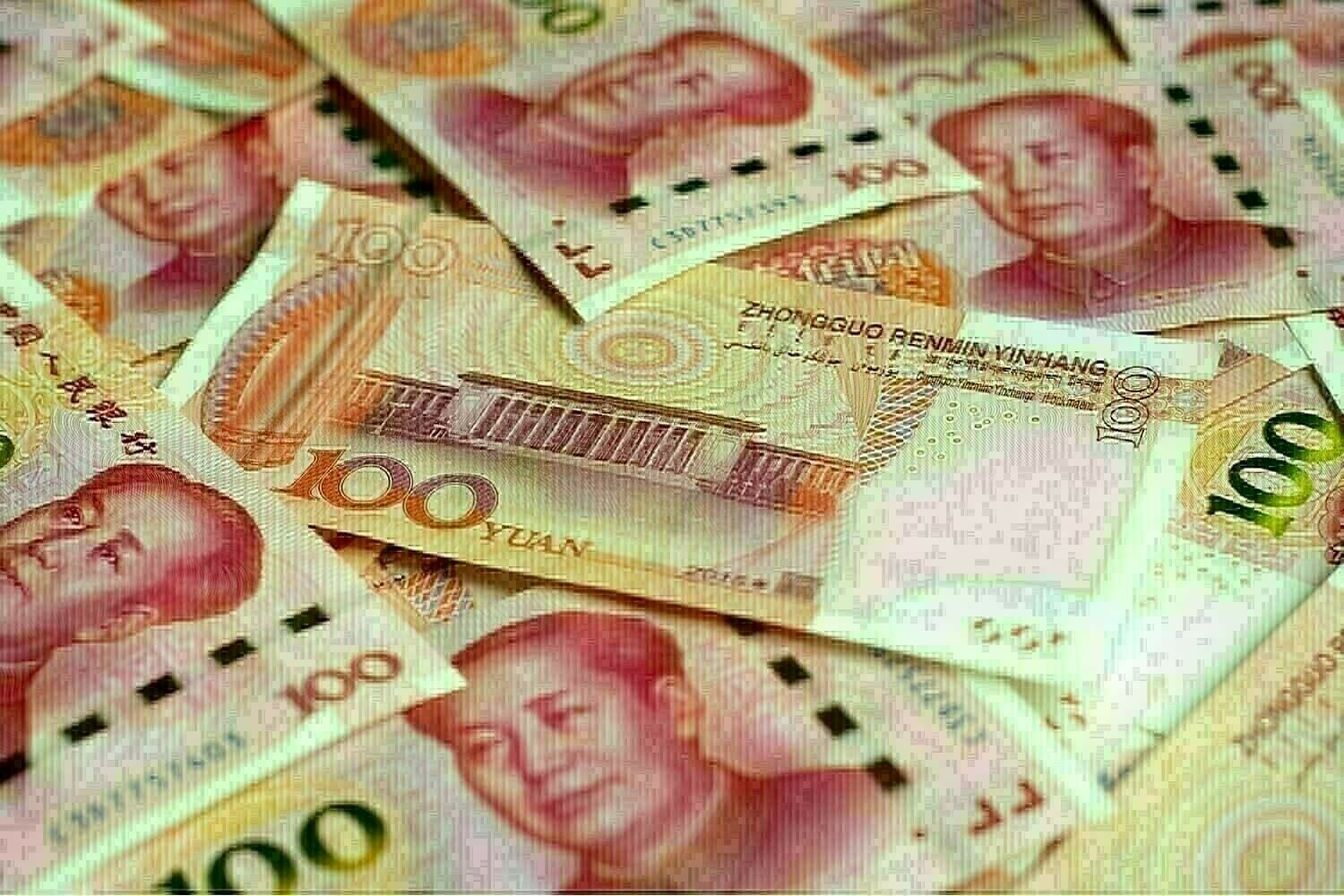

SHANGHAI: China’s yuan briefly weakened to a two-week low against the dollar on Tuesday on renewed investor worries over US tariffs, but it recouped early losses after major state-owned banks stepped in to support the currency.
US President Donald Trump on Monday began telling trade partners - from powerhouse suppliers like Japan and South Korea to minor players - that sharply higher US tariffs will start on August 1.
But China has until August 12 to reach a trade agreement after Washington and Beijing agreed to a framework deal in June that restored a fragile truce.
China warned the Trump administration on Tuesday against reigniting trade tensions by restoring tariffs on its goods next month, and threatened to retaliate against nations that strike deals with the United States to cut China out of supply chains.
“Trade tensions are coming back to the fore,” Morgan Stanley economists, led by Chetan Ahya, said in a note.
“This development, plus potential implementation for sectoral tariffs on pharma and semis (pharmaceuticals and semiconductors), China negotiations and the trans-shipment issue suggest that uncertainty will likely persist, weighing on corporate confidence, capex (capital expenditure) and the trade cycle.”
The onshore yuan slipped to 7.1833 per dollar, the weakest level since June 23, before recovering to trade 0.05% firmer at 7.1715 as of 0339 GMT.
Its offshore counterpart was up about 0.11% in Asian trade to 7.1713. Major state banks quickly emerged in the onshore spot market in the morning to sell dollars and trim the initial yuan losses, multiple people familiar with the matter said.
Prior to the market opening, the People’s Bank of China (PBOC) set the midpoint rate at 7.1534 per dollar, 238 pips firmer than a Reuters’ estimate of 7.1772.
The gap between the official fixing and market projections was the widest since June 18, with some currency traders interpreting it as an official sign that authorities want to keep the currency stable without rapid moves in either direction.
The spot yuan is allowed to trade 2% either side of the fixed midpoint each day.
Separately, China will support more onshore investors to invest in offshore bonds and expand the scope of the Bond Connect scheme to include non-banking institutions, a senior PBOC official said on Tuesday.

















Comments
Comments are closed for this article.