


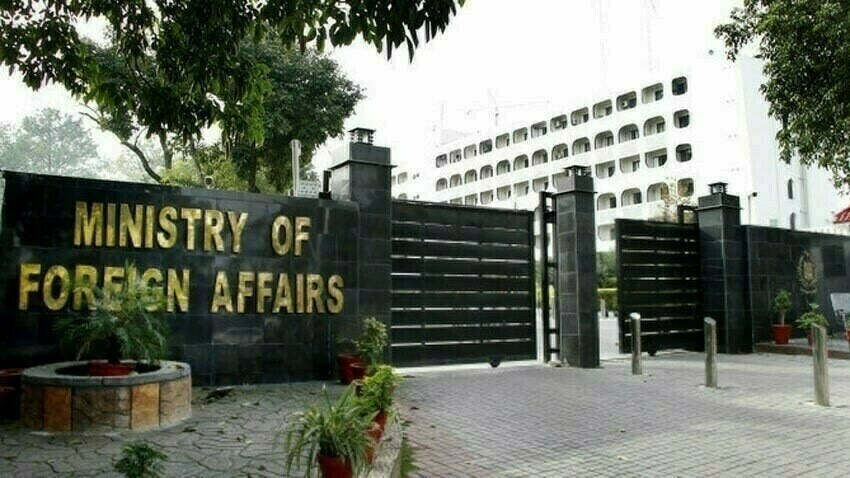
EDITORIAL: On the June 26 ‘International Day in Support of Victims of Torture’, Pakistan’s Foreign Office issued an important statement, emphasising the persistent global challenges in eradicating torture and reaffirming Islamabad’s commitment to upholding human dignity.
The statement expressed grave concern about the “widespread and systemic use of torture as an instrument of oppression in situations of foreign occupation,” drawing particular attention to the plight of those enduring brutal repression in Palestine and Illegally Indian Occupied Jammu and Kashmir (IIOJK).
Since October 2023, much of the world has watched in horror as Israel continues its relentless genocidal campaign in Gaza. Yet, while these atrocities unfold, the US-led Western nations — who frequently present themselves as the defenders of human rights everywhere in the world — have not only been passive observers but active enablers. They have supplied Israel with weapons and financial support to continue violence and the systematic destruction of Gaza.
Despite the existence of international treaties and conventions, torture remains a widespread tool of oppression, particularly in regions under occupation. The ongoing situations in Palestine and IIOJK — the modern world’s two longest occupations — serve as tragic evidence to this reality. In these territories, arbitrary detentions, custodial torture, extrajudicial killings, and other forms of inhumane treatment continue unabated.
In Palestine, Pakistan’s concern echoes numerous reports from global human rights organisations such as Amnesty International and Human Rights Watch, which have documented the torture and mistreatment of Palestinian detainees, including minors, by occupation forces.
These actions flagrantly violate international law, including the UN Convention Against Torture and Other Cruel, Inhuman, or Degrading Treatment or Punishment. In the occupied West Bank, these documented abuses reflect the ongoing use of torture as a means of quelling resistance.
Similarly, tensions in IIOJK have remained high since August 2019, when India revoked Article 370, which granted the region a degree of autonomy.
Since then the IIOJ&K has witnessed an escalating military presence, communication blackouts, and the erosion of basic civil liberties. Custodial deaths, the unlawful use of pellet guns against unarmed protesters, and enforced disappearances have become standard tactics used to suppress the Kashmiri people’s legitimate struggle for freedom.
Unfortunately, universal principles concerning the dignity and rights of individuals are applied selectively by Western powers, depending on political expediency and geopolitical interests. This double standard is glaringly evident in the cases of Palestine and IIOJK.
Silence or indifference in the face of such egregious injustices is tantamount to complicity. By highlighting these issues, Pakistan has asserted its position as a vocal advocate for oppressed peoples and a proponent of the rules-based international order. The Foreign Office’s statement rightly underscores the necessity for the international community to hold violators of human rights accountable and to prevent the normalisation of such criminal conduct. This message must resonate not just on commemorative days like June 26, but consistently in international forums through sustained diplomatic pressure and humanitarian engagement.
Copyright Business Recorder, 2025



















Comments
Comments are closed for this article.