


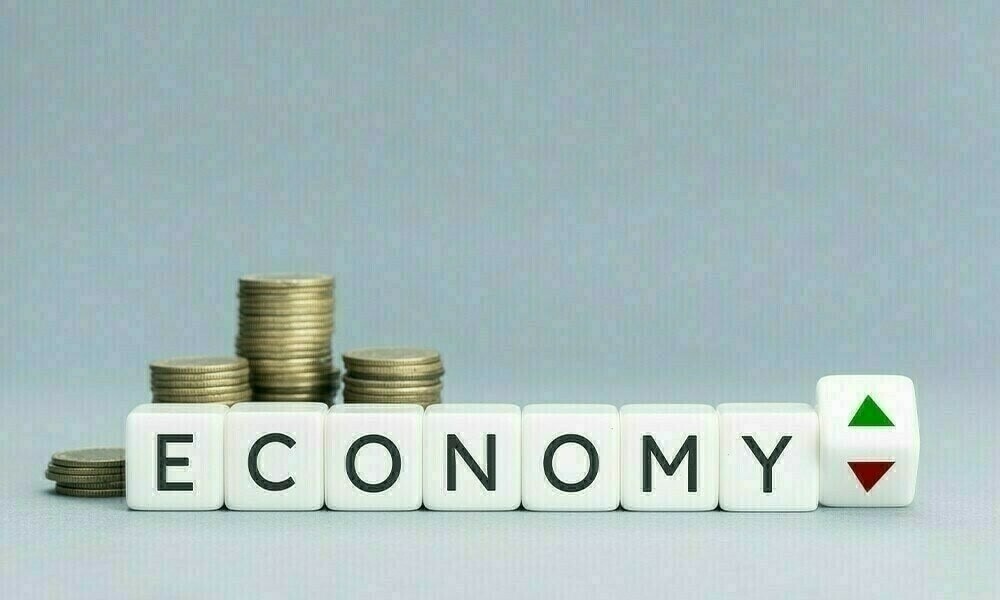
EDITORIAL: When the central bank of central banks sounds the alarm, financial markets ought to listen. The Bank for International Settlements (BIS), hardly given to rhetorical excess, has issued a blunt warning: the global economy stands at a “pivotal moment.” And this time, it’s not about business cycles or temporary liquidity crunches — it’s about deep structural vulnerabilities that could shatter what’s left of global economic resilience.
The triggers are all around us. Global debt levels are climbing, productivity is stagnating, supply chains remain fragmented, and central banks are still grappling with the aftershocks of the post-Covid inflation surge. The dollar’s weakening and rising interest rate sensitivity among indebted governments only deepen the sense of unease. Markets may have rallied in recent months, but the BIS is pointing to fault lines beneath the surface, not the technicals on top.
What makes this warning different is its clarity about where the world is headed if course correction is delayed. Economic resilience is eroding, the BIS says, not simply because of economic forces, but because of policy failures. Years of fiscal complacency, underinvestment in productivity, and overreliance on monetary stimulus have created a fragile equilibrium. One external shock — from a geopolitical flashpoint to a trade breakdown — could be all it takes to tip major economies into prolonged distress.
More troubling still is the observation that confidence in institutions, especially central banks, is under pressure. That alone should be a red flag. Central banks depend as much on credibility as on policy tools. The report’s implicit criticism of trade fragmentation and re-shoring efforts also cuts to the heart of the current global policy dilemma.
Governments are moving to reduce reliance on hostile or unreliable trading partners, but they’re doing so at the cost of efficiency and coordination. In turn, this raises prices, complicates monetary policy, and slows down growth further. Yet there seems little appetite — let alone capacity — for collective economic management in a world where nationalism trumps multilateralism.
Perhaps the most immediate signal to watch is the steep fall in the dollar, down 10 percent in just six months. BIS economists don’t see this as a full-blown rotation out of US assets, but the fact that non-US investors are increasingly hedging their dollar exposures suggests rising discomfort. For financial institutions that manage global portfolios and sovereign debt strategies such moves often precede larger shifts in asset allocation—shifts that can reshape capital flows in very disruptive ways.
There’s also the question of how much policy space remains. The BIS is right to point to the trap many governments are falling into: high debt levels now leave very little room to respond to future crises. The next recession, when it arrives, may find both fiscal and monetary tools blunted, while citizens increasingly distrust the very institutions tasked with providing relief. It is a toxic brew.
This is not the first time BIS has issued such a call, but it may be the most urgent. A system stretched across weak foundations, tested by simultaneous shocks, cannot afford inaction or delay. Global financial governance, especially across G20 economies, must stop pretending that the current model can muddle through. It cannot.
The world economy is running out of buffers. Policymakers, investors, and institutions would do well to treat this moment with the seriousness it demands. Because if even the BIS is beginning to sound worried, the finance world should stop hoping for soft landings and start preparing for harder truths.
Copyright Business Recorder, 2025






















Comments
Comments are closed for this article.