


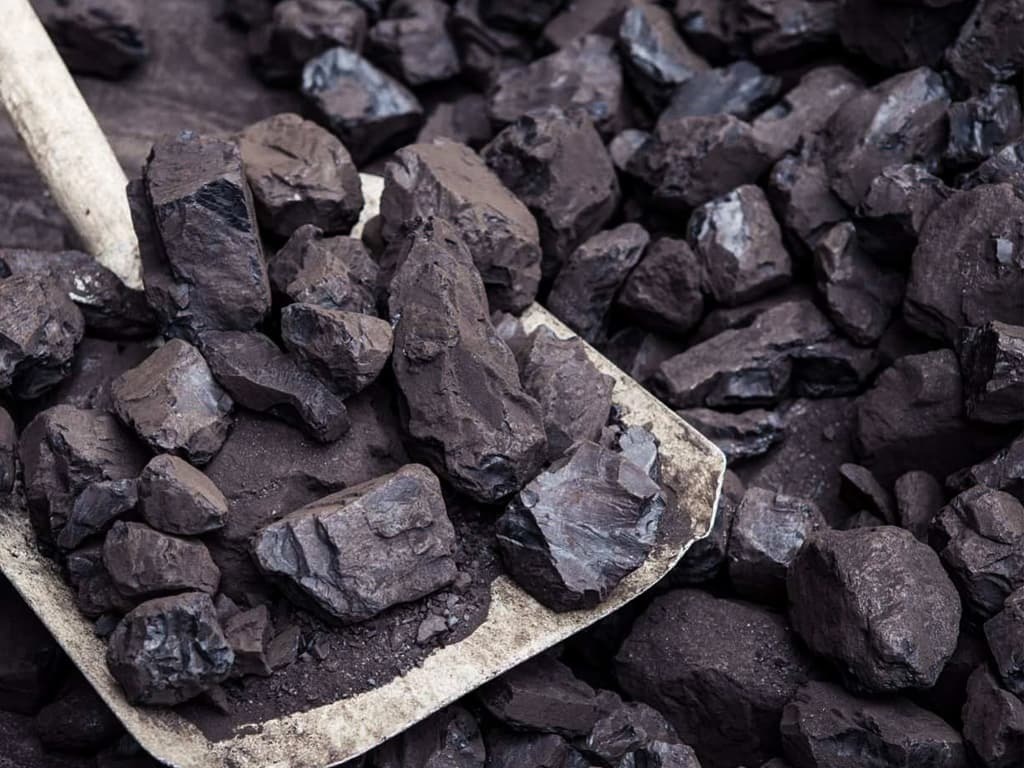
LAUNCESTON: Thermal coal may end up as a major beneficiary of escalating hostilities in the Middle East, as the fuel used to generate electricity becomes cheaper than one of its main competitors liquefied natural gas (LNG).
Much of the focus of the potential fallout from the conflict between Israel, and now the United States, and Iran is the threat to crude oil and refined fuels shipped through the Strait of Hormuz.
But all of Qatar’s LNG also goes through the narrow waterway separating the gulfs of Persia and Oman, and this amounts to almost 20% of the global seaborne supply of the super-chilled fuel.
While there has yet to be any disruption of Qatar’s LNG, the mere threat that Iran may attempt to block the strait or attack shipping has seen spot LNG prices rise in Asia, the biggest market.
LNG for delivery to North Asia
The weekly price assessment also came before the United States joined Israel’s bombing campaign against Iran, with President Donald Trump claiming on June 21 that the strikes had “completely and totally obliterated” three nuclear facilities.
The involvement of the United States makes it more likely that LNG prices will continue to rise to reflect the increased risk premium.
But even at the current level, LNG is no longer competitive against thermal coal in the two major markets where fuel-switching can occur, Japan and South Korea.
ADVANTAGE COAL
The price of Australian thermal coal with an energy content of 6,000 kilocalories per kilogram at Newcastle Port rose to a four-month high of $109.41 a metric ton in the week to June 20, according to data from global COAL.
This is the grade of thermal coal most used by Japan and South Korea, as well as Taiwan.
Using LSEG data to convert the price of coal into million British thermal units shows that Australia’s Newcastle benchmark is currently around $12.18 per mmBtu, or a 13% discount to the spot LNG price.
The most recent low for spot LNG was in early May when the price dipped to $11 per mmBtu, at which point it was cheaper than Newcastle coal, which was $11.47.
But spot LNG prices have rallied harder than those for coal in recent weeks, a trend that is likely to continue for as long as tensions remain high in the Middle East.
Since it has only been 10 days since Israel started its bombing campaign against Iran it’s still too early to see a sustained trend in the volumes of coal being purchased by Japan and South Korea.
















Comments
Comments are closed for this article.