


This is apropos two back to back letters to the Editor from this writer carried by the newspaper on Sunday and yesterday. Let me point out that in the fiercest aerial dogfights witnessed in South Asia, six Indian aircraft — including three Rafales — were shot down.
The weapon of choice: China-made PL-15 air-to-air missiles, deployed by JF-17 Thunder jets. The event sent shockwaves through global defense communities. How could lower-cost fighters and less-funded forces dismantle India’s French-made fleet? The answer lay in pilot skill, tactical discipline, and superior command integration — all areas where Pakistan excelled.
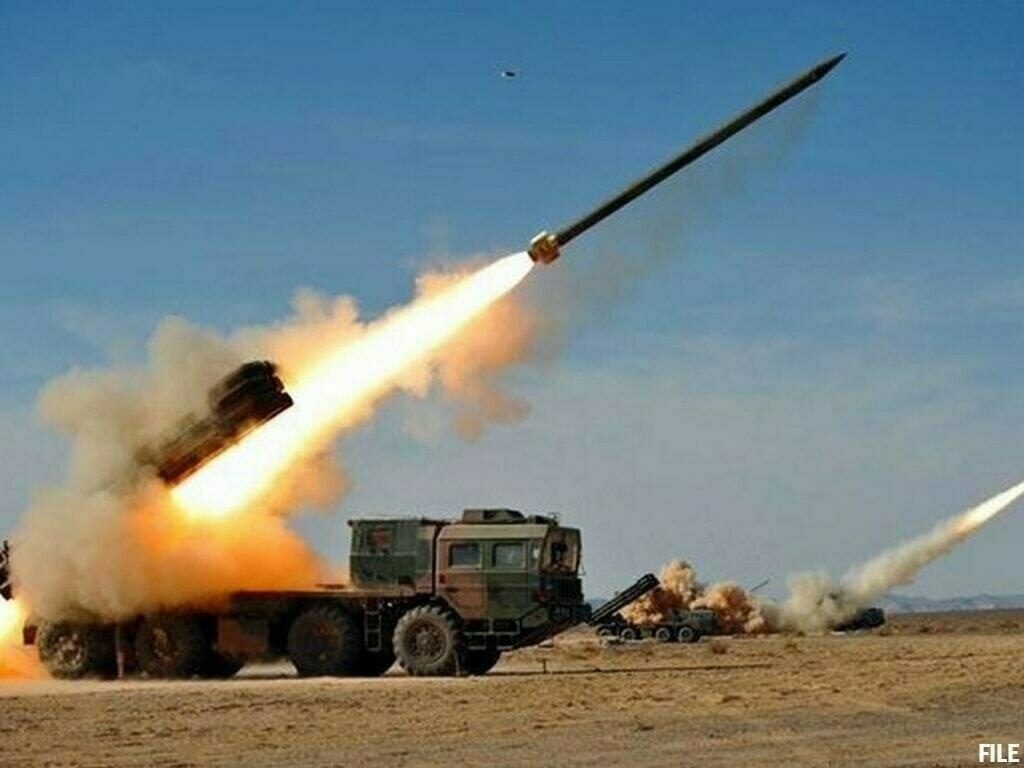
But it wasn’t just the air force. Pakistan’s missile defence systems intercepted multiple Indian drones and neutralized misfired projectiles. India’s narrative — that Pakistan was the perpetual sponsor of cross-border terrorism — fell flat. The international community, increasingly skeptical of India’s claims, demanded verifiable evidence, which never materialized. The UN and European Union called for restraint and transparency. India’s allies grew uncomfortable with its unilateralism and recklessness.
Even UUS officials, while committed to India strategically, privately acknowledged that New Delhi had acted without a clear objective and had exposed its military and diplomatic inadequacies. The global perception shifted: Pakistan was no longer the underdog or the provocateur.
It was a disciplined, sovereign state defending itself with dignity and proportionality. The economic cost to India was immense. Independent estimates suggest losses exceeding $2–3 billion during the short-lived but intense confrontation.
These losses stemmed from destroyed aircraft, disrupted operations, investor panic, and infrastructural damage. Insurance premiums soared. Stock markets dipped. Foreign direct investment froze. The confidence of global investors in India’s stability took a hit.
Qamar Bashir
Copyright Business Recorder, 2025




















Comments
Comments are closed for this article.