


PHMA for abolishing peak, off-peak power tariff structure
LAHORE: The Pakistan Hosiery Manufacturers Association (PHMA) has called upon the government to abolish the outdated peak and off-peak electricity tariff structure, emphasizing that this system no longer serves its original purpose in light of the country’s current surplus in power generation.
PHMA Zonal Chairman Abdul Hameed has warned that the continuation of these dual tariffs is imposing an undue burden on the export-oriented industry and domestic consumers alike, calling it an obstacle to economic growth, competitiveness, and affordability.
In a detailed letter addressed to Prime Minister Shehbaz Sharif, Federal Energy Minister Awais Laghari and Commerce Minister Jam Kamal, the PHMA has drawn attention to the negative impact of the peak-hour electricity surcharge on industrial operations. The association stressed that the policy was originally introduced to curb consumption during peak hours, a time when Pakistan suffered from critical shortages in power generation. However, the present energy scenario has changed significantly.
As recently announced by the Ministry of Energy, the country has not only achieved surplus power generation capacity but is also exploring the option to export electricity. Under these changed circumstances, the rationale for maintaining peak and off-peak differentials has completely eroded.
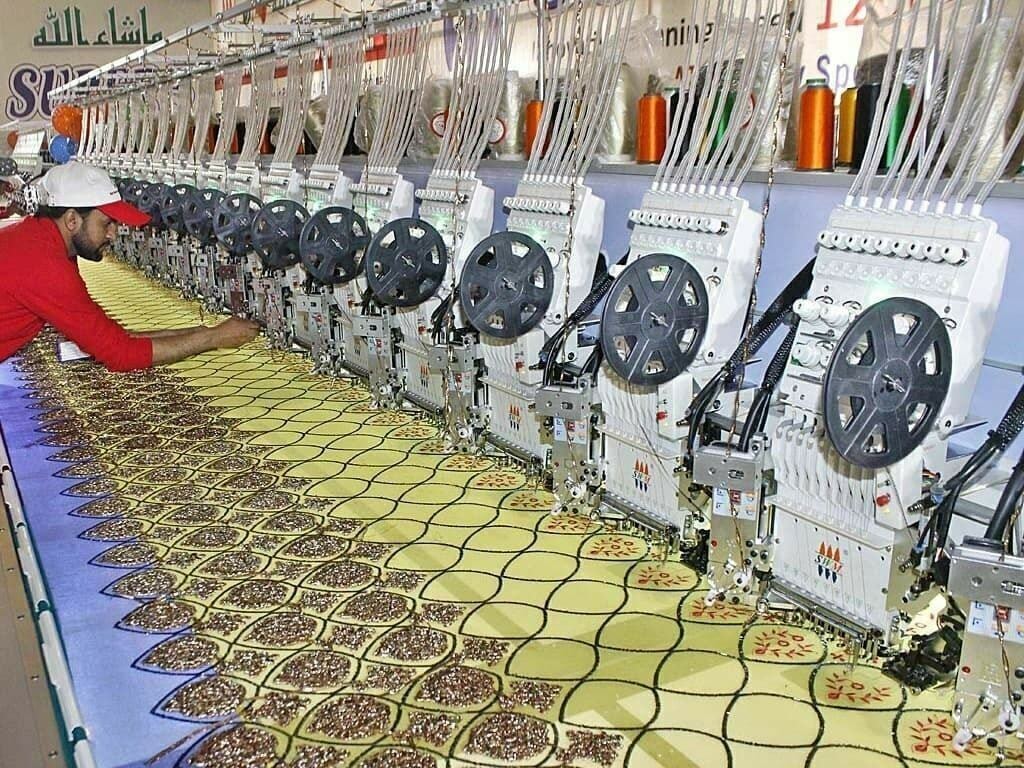
The letter observed that exporters in the hosiery and textile sector, which operate 24/7 to meet strict global deadlines, are struggling to remain competitive due to high electricity charges during peak hours. Abdul Hameed noted that fluctuating electricity tariffs force industries to shift or halt operations during certain hours of the day, disrupting production schedules, reducing efficiency, and increasing overall manufacturing costs. These inefficiencies weaken Pakistan’s position in international markets and threaten to undo years of progress made in export development.
The PHMA Chairman further highlighted that the current tariff system does not only affect exporters but also hits small businesses and middle-income households hard. Small enterprises, which are the backbone of employment and innovation in Pakistan, face higher operating costs that threaten their sustainability. Simultaneously, rising electricity bills are stretching the budgets of middle-class families, already burdened by inflation and high living expenses.
Abdul Hameed pointed out in his communication with the Ministry of Commerce that abolishing peak and off-peak tariffs could bring widespread benefits to the economy. With a uniform and more affordable electricity rate, industries would enjoy a reduction in operational costs, increasing their global competitiveness and attracting more international orders. This, in turn, would support job creation and stimulate exports, ultimately contributing to national economic growth. Moreover, ordinary citizens would experience a meaningful reduction in electricity bills, increasing their disposable income and improving overall living standards.
He emphasized that the present conditions present a clear opportunity for energy policy reform. The availability of surplus electricity is a strong indicator that the government can afford to do away with outdated pricing structures without endangering the financial viability of the power sector. Instead, aligning tariffs with the realities of current supply would likely lead to increased power consumption, more economic activity, and improved utility revenues through volume growth.
PHMA appealed to the Commerce Minister to raise this critical issue at the relevant forums, including the Ministry of Energy and the Federal Cabinet, urging a thorough policy review. Abdul Hameed stressed that the leadership of the Ministry of Commerce is vital in bringing about these reforms, which will not only ease the financial pressures on industrial and domestic consumers but also help Pakistan achieve sustainable export-led growth.
The Association reaffirmed its support for the government’s broader economic vision and called for collaborative policymaking that reflects the country’s evolving energy and industrial realities. PHMA remains committed to working with all stakeholders to ensure that electricity pricing supports, rather than hinders, Pakistan’s competitiveness and economic well-being.
Copyright Business Recorder, 2025





















Comments
Comments are closed for this article.