


Modi’s threat of water war serious disruption to regional peace, stability: Chinese scholar
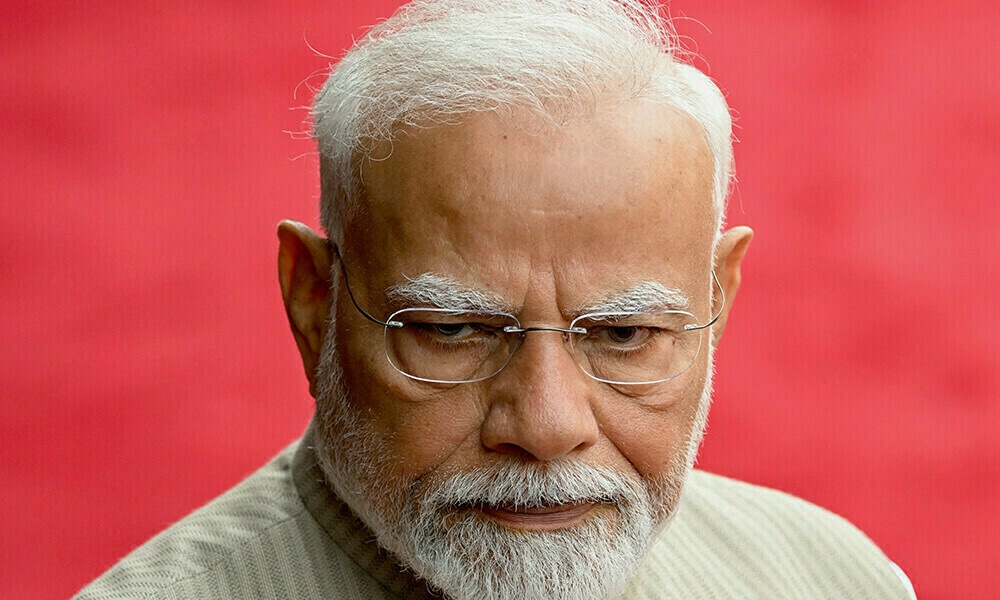
BEIJING: Indian Prime Minister Narendra Modi’s attempt to link “water rights” with so-called “counter-terrorism” and Kashmir sovereignty disputes, attempting to use water resources as a weapon to achieve his political and strategic goals, not only goes against humanity but also seriously violates the basic norms of international relations.
This is a manifestation of hegemonism that attempts to achieve its own goals through threats and intimidation.
This was stated by Prof. Cheng Xizhong, Senior Research Fellow at the Charhar Institute in a statement here on Saturday.
Pakistan will not get water over which India has rights, India PM Modi says
At the same time, Modi’s threat of a water war against Pakistan is a serious disruption to regional peace and stability, and also damages India’s own international image and reputation, which is not conducive to its active role in regional and international affairs.
He said that in recent years, extreme nationalism and Hindutva expansionist designs have been on the rise in India. Modi attempts to shape a strong leadership image through this tough stance, catering to Hindutva and extreme nationalist sentiment in the country and garnering more support from domestic voters.
In the recent air battle between India and Pakistan, India suffered serious military defeats, including the loss of 5 advanced fighter jets, and Modi’s credibility was severely impacted. Meanwhile, India is also facing economic problems such as inflation rate exceeding 9.7% and a sharp drop in the rupee exchange rate, causing dissatisfaction among the public towards the Narendra Modi administration.
Modi attempts to shift domestic attention away from his ruling crisis and economic difficulties by making tough statements, directing the focus towards external enemies in order to alleviate domestic political pressure.
Prof Cheng remarked that India is located in the upper reaches of the Indus River and has geographical advantages in water resource allocation. The water resources flowing to Pakistan are crucial for Pakistan’s agriculture, industry and livelihoods. Modi’s threat of “cutting off water” is intended to use water resources to exert pressure on Pakistan in future negotiations, attempting to force Pakistan to make concessions on core interests.
In India, the scandal of India’s failure in the Indo-Pak air battle continues to ferment. If not handled properly, it will have a profound impact on India’s geopolitics global status and dominance in South Asia. The air battle between India and Pakistan has exposed India’s military weaknesses and may also trigger a major crisis in the country’s system and military development.
The Modi administration attempts to showcase India’s tough stance to the international community, restore its image and status in the international community and reduce the negative evaluation of India by international public opinion.
In short, Modi’s tough stance towards Pakistan is more driven by short-term factors such as domestic political considerations. However, in the long run and in practical terms, this approach will not only fail to solve the fundamental problems between India and Pakistan, but also bring many negative impacts on regional peace and stability as well as India’s own development, he added.






















Comments
Comments are closed for this article.