


LCCI opposes proposed changes under National Tariff Policy
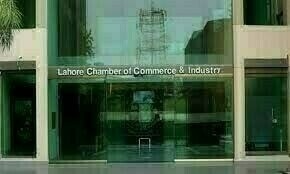

LAHORE: President of Lahore Chamber of Commerce and Industry Mian Abuzar Shad has strongly opposed the proposed changes under the draft National Tariff Policy 2025–30 presented by the Engineering Development Board.
Terming the measures as “anti-industry,” the LCCI president warned that the new policy could have serious repercussions for Pakistan’s industrial base, trade balance and economic sovereignty.
The LCCI president said that while reforming the tariff regime is important, the current proposal is likely to increase Pakistan’s reliance on imports, shifting the country further away from a manufacturing-driven economy. He said that by substantially lowering import duties and eliminating Additional Customs Duty (ACD), Regulatory Duty (RD), the government risks transforming Pakistan into an import-dependent economy.
Mian Abuzar Shad further warned that lower tariffs will lead to a surge in imports, thereby putting immense pressure on the current account and foreign exchange reserves, which are already under stress. “Pakistan cannot afford such a liberalisation at the cost of macroeconomic stability,” he emphasized.
The LCCI also criticised the proposed tariff spread of 0% to 15% as too narrow to reflect the developmental needs of a diverse industrial landscape.
“Even globally competitive and specialized economies such as China maintain a much wider tariff spread to protect sensitive sectors. This narrow spread will blur the line between manufacturers and importers, discouraging local production,” said the LCCI president.
The LCCI president also warned that these changes will result in revenue losses for the government while exacerbating the public debt burden.
“The expected drop in customs revenue will need to be compensated through indirect taxation or further borrowing, both of which will hurt the economy.”
Pointing to the already high cost of doing business in Pakistan, the LCCI emphasised that this move will further deter industrial growth.
“Our industries are already burdened by high energy tariffs, inefficient labor markets and a complex tax regime. These tariff reductions could lead to shutdowns and job losses,” the president added.
The LCCI urged the government to reconsider this premature rationalisation and engage in meaningful consultation with industry stakeholders to develop a tariff structure that supports both industrialisation and exports.
Copyright Business Recorder, 2025




















Comments
Comments are closed for this article.