


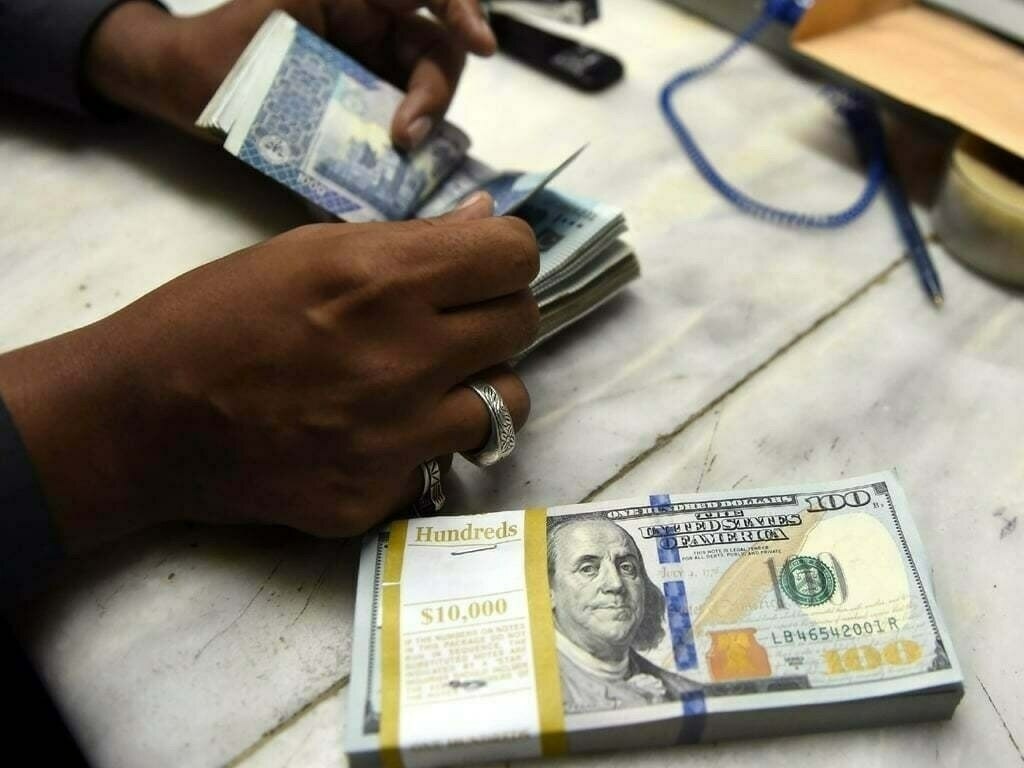
LONDON/KARACHI: Pakistan’s international bonds rose on Wednesday after India launched strikes on the country. The country’s international bonds gained nearly 1 cent, reversing losses of the same amount during early trading, according to Tradeweb data. The 2031 bond, which notched the biggest gains, was bid at just over 81 cents in the dollar.
“The reliance of Pakistan on external capital inflow – in recovery from an external account crisis, in the midst of an IMF programme, and with under three months of import cover compared to over nine months in India – makes its asset prices much more sensitive to any conflict than those in India,” said Hasnain Malik at Tellimer in Dubai.
Finance ministry said it had held an emergency meeting to review market resilience and national financial security, adding that robust measures to safeguard economic infrastructure and provide clarity and confidence to markets are being implemented, though did not give details.
IMF LIFELINE The IMF executive board is scheduled to sign off on May 9 on a staff-level agreement that would trigger a $1 billion payout as well as Pakistan’s new $1.3 billion arrangement under a climate resilience loan programme.
“Investors seem optimistic on the upcoming IMF board meeting which will decide on the loan tranche for Pakistan,” said Sohail Mohammed, CEO of Topline Securities in Pakistan. The IMF did not immediately comment when contacted by Reuters. The escalation follows the suspension of the Indus Waters Treaty by India, which has sharply downgraded diplomatic links to its neighbour after the April terror attack in IIOJK.
“The conflict between India and Pakistan has escalated dangerously,” said Sakib Sherani, economist and head of Macro Economic Insights, adding that India’s request to the IMF earlier this week to review loans disbursed to Pakistan was adding to Islamabad’s woes. “All these actions will hurt Pakistan’s fragile economic recovery.”
Rating agency Moody’s warned on Monday that rising tensions between the two countries could weigh on Pakistan’s growth. Others were more sanguine, saying India had also much to lose economically from an escalation in the conflict and Pakistan was in much better shape economically to weather the fallout from the tensions following recent reforms. “Reports of the IMF program being affected purely because of representations by one country on the board of the IMF are overblown,” said Reza Baqir, head of sovereign advisory at Alvarez & Marsal and a former Pakistan central bank chief and IMF official.






















Comments
Comments are closed for this article.