


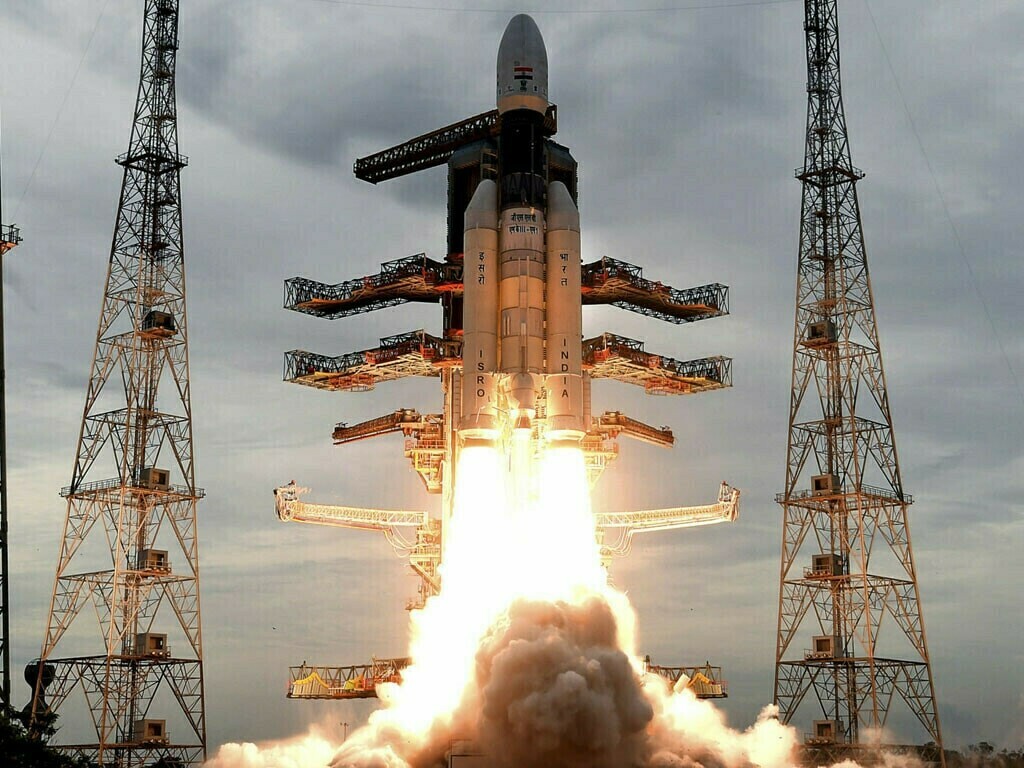
BENGALURU: The Indian National Space Promotion and Authorisation Centre (IN-SPACe) on Wednesday launched a 5 billion rupee ($57.58 million) fund to help early-stage space technologies go commercial and reduce reliance on imports as the country seeks to boost its market share in the global space industry.
The Technology Adoption Fund will also connect government bodies with the private sector, aiming to position India as a reliable partner in the increasingly competitive market, the space regulator said in a statement.
“The fund will offer financial support of up to 60% of the project cost for startups and medium and small businesses, and 40% for larger industries, with a maximum funding cap of 250 million rupees per project,” said Pawan Goenka, chairman of IN-SPACe.
“This support will enable companies to refine their technologies, enhance production processes and meet market demands both within India and abroad.”
India opened its space industry to private investment last year as Prime Minister Narendra Modi’s government pushed for greater monetization of the sector, long dominated by the state-run Indian Space Research Organisation (ISRO).
India achieves ‘historic’ space docking mission
The country hopes liberalized regulations will attract global players, mirroring the commercial space boom seen in the United States and Europe.
A joint venture between Reliance Industries’ Jio Platforms and Luxembourg-based SES has secured regulatory approval to provide gigabit fiber internet, while Elon Musk’s Starlink and Amazon’s Kuiper await licenses.
The government has also sanctioned a separate 10 billion rupee venture capital fund for space startups, awarded contracts for ISRO’s main launch vehicle to private firms and intensified efforts to forge global commercial partnerships.
“We are witnessing a surge of pioneering startups developing roundbreaking solutions for the space industry. But to turn these concepts into practical products that can be offered to a new marketplace, there must be sufficient funding, especially from government institutions at this specific stage,” said AK Bhatt, director general of the Indian Space Association.



















Comments
Comments are closed for this article.