


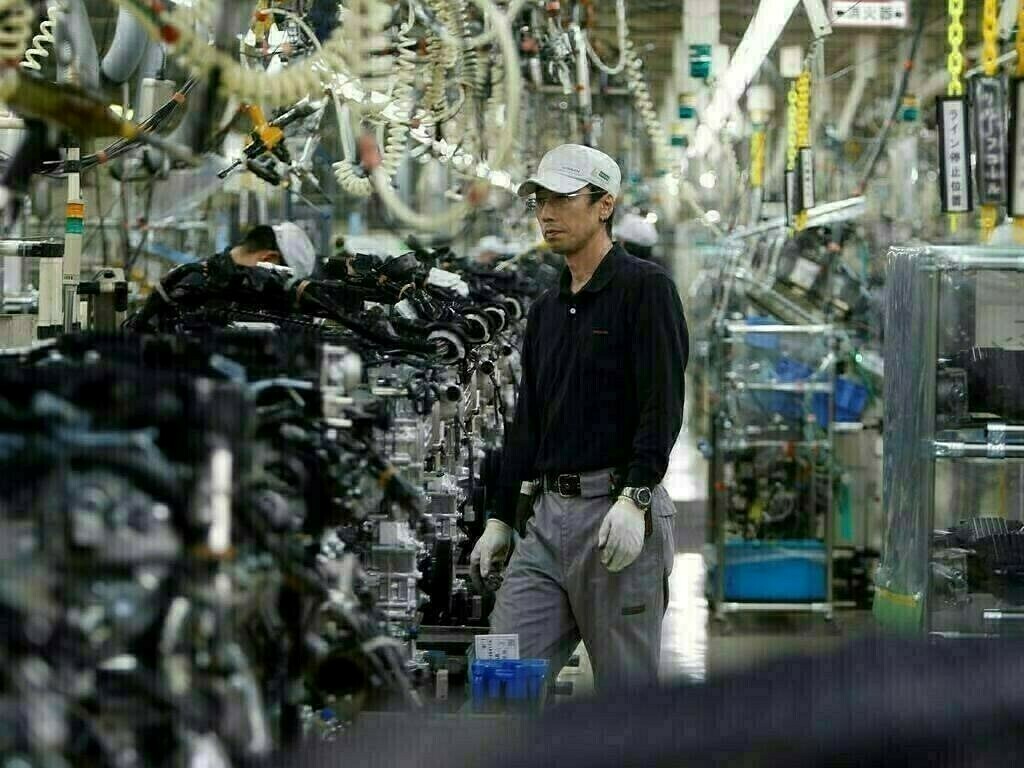

BEIJING: China’s manufacturing activity grew for a third straight month in December but barely, an official factory survey showed on Tuesday, suggesting the effects of policy stimulus may take more time to lend support as fresh trade risks loom.
The National Bureau of Statistics purchasing managers’ index (PMI) slowed to 50.1 in December from 50.3 in November, staying above the 50-mark separating growth from contraction but missing a median forecast of 50.3 in a Reuters poll.
China’s $19 trillion economy has struggled to recover from the pandemic amid weak consumption and investment.
Policymakers, however, are hopeful that fiscal and monetary measures unveiled late this year will spark a turnaround in the property market, which has dragged on the broader economy.
Improved domestic demand could benefit manufacturers amid a global economic slowdown, reducing the impact of U.S. President-elect Donald Trump’s proposed new tariffs on Chinese goods.
Mixed industrial output and retail sales data for November released earlier this month underscore how challenging it will be for Beijing to mount a durable economic recovery heading into 2025.
Government advisers are recommending the economy maintain a growth target of around 5.0% next year and that policymakers ramp up consumer-focused stimulus.
The non-manufacturing PMI, which includes construction and services, rose to 52.2 this month, after it slowed to 50.0 in November.
Trump has vowed to impose a 10% tariff on Chinese goods to compel Beijing to halt the trafficking of Chinese-made chemicals used in fentanyl production.
China’s factory activity unexpectedly dips as property pain persists
He also threatened tariffs in excess of 60% on Chinese goods during his campaign, posing a major growth risk for the world’s top exporter of goods.
At an agenda-setting meeting earlier this month, policymakers pledged to increase the budget deficit, issue more debt and loosen monetary policy to support economic growth.
The World Bank last week raised its growth forecasts for China for 2024 and 2025, but warned that subdued household and business confidence, along with headwinds in the property sector, would weigh on economic growth next year.
Stabilising the property sector, which at its peak in 2021 accounted for around a quarter of the economy and where 70% of household savings are parked, is critical for Beijing to revive domestic consumption and improve sentiment among factory owners.
Analysts polled by Reuters forecast the private sector Caixin PMI at 51.7. The data will be released on Thursday.




















Comments
Comments are closed for this article.