


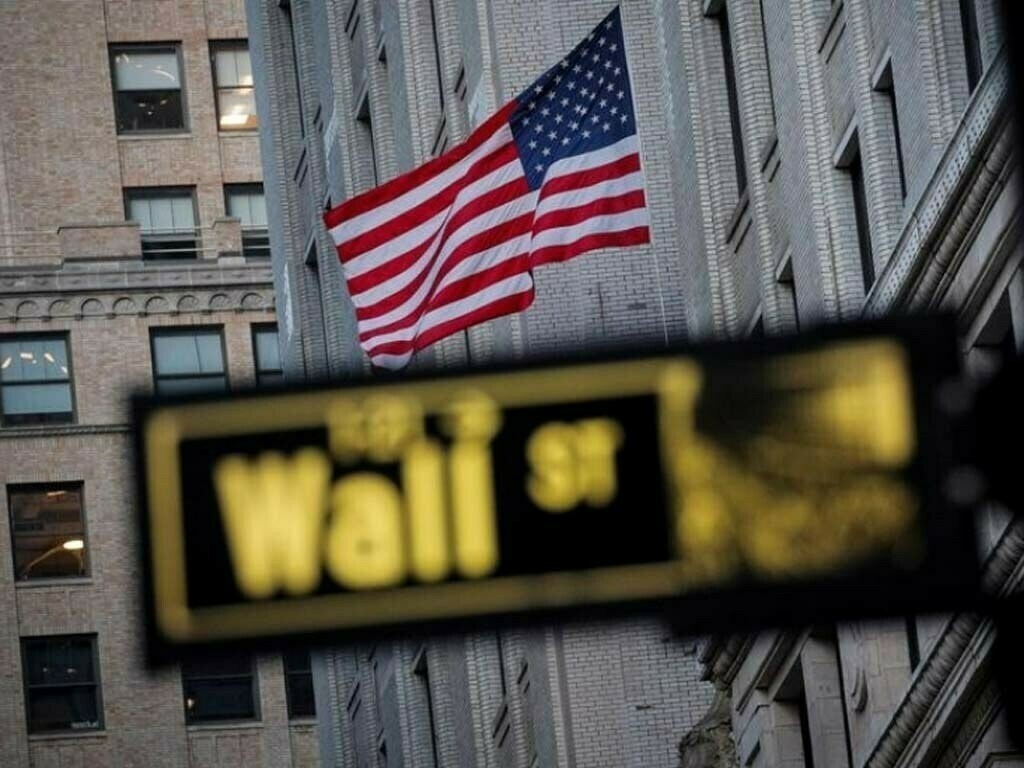
NEW YORK: U.S. stock investors are turning their focus to next week’s inflation data, which could determine the near-term path of an equity rally that has wobbled in recent weeks.
Signs the U.S. economy is on track for a so-called soft landing, where the Federal Reserve is able to bring down inflation without badly damaging growth, have helped power the S&P 500’s 16% year-to-date gain.
Last week’s employment data played into that narrative, showing the job market remained robust, though not strong enough to spark worries that the Fed would need to hike interest rates more to fight inflation, moves that rocked markets last year.
Wall St slides as services data stokes inflation worries
Consumer price data next week may need to strike a similar balance, investors said. Too high a number could fan fears of the Fed leaving interest rates higher for longer or hiking them more in coming months. That would give investors less reason to hold onto stocks after a tech-led drop in which the S&P 500 lost about 5% from summer highs.
“This inflation demon is far from being destroyed,” said Michael Purves, head of Tallbacken Capital Advisors, who expects signs of higher inflation will weigh on the multiples of megacap growth names that have powered the rally. “If we’re hitting a structural shift with higher nominal GDP growth, that will come with some volatility and unintended consequences.”
Investors trying to assess future Fed policy will watch other data in the coming week too, including a reading of the producer price index and retail sales.
The U.S. central bank is widely expected to hold benchmark rates steady at its Sept. 20 meeting. Markets are also pricing in a nearly 44% chance of a rate hike at the Fed’s Nov. meeting, up from 28% a month ago.
“If we get a high inflation print we will see those expectations pick right up” for September and November, said Randy Frederick, managing director of trading and derivatives for the Schwab Center for Financial Research.
Optimistic, but cautious
Strategists and investors currently have largely held faith in the market despite stocks’ recent wobble. Some, though, are growing more cautious.
Reasons for optimism include the relative outperformance of the U.S. economy compared to Europe and China, and signs the so-called profit recession among S&P 500 companies may be over.
Still, worries over an economic slowdown in China and concerns that U.S. corporate margins will shrink have led some market participants to believe squeezing more gains out of stocks will grow more difficult.
The S&P 500 Information Technology sector lost more than 2% this week following news that Beijing had ordered central government employees to stop using iPhones for work. Apple shares fell 6% for the week on fears the company and its suppliers could take a hit from rising competition from China’s Huawei.
“We think we are still in a bull market that will hit new highs before the end of the year, but it will be a choppy road,” said Ed Clissold, Chief U.S. Strategist at Ned Davis Research.
The S&P 500 is down about 5% from its July highs, which has made stock valuations broadly more attractive given the low possibility of an imminent recession, said Jonathan Golub, senior equity strategist at Credit Suisse Securities.
Forward price to earnings multiples for 10 out of the 11 sector groups of the S&P 500 fell in August, he noted, though the P/E for the index as a whole remains near 20, compared with 17 at the end of 2022.
Still, much of the bull case for stocks hinges on softer inflation eventually pushing the Fed to lower interest rates.
“If we saw a further material rise in interest rates, the equity market would not take that well,” said David Lefkowitz, head of U.S. equities at UBS Global Wealth Management.






















Comments
Comments are closed for this article.