




TUNIS: Tunisia’s central bank on Friday raised its key interest rate by 75 basis points to 8% from 7.25% to combat high inflation, the bank said, marking the third hike this year.
Tunisia’s inflation rate jumped to a record 9.8% in November from 9.2% in October.
“Through this action, the Central Bank aims to help curb the upward trend in inflation,” the bank said in a statement.
The government expects inflation to average 10.5% in 2023, up from the 8.3% expected this year.
The last interest rate hike was in October when the central bank raised it by 25 basis points.
The bank also decided to raise the minimum interest rate on savings to 7.0%.
The bank said it is deeply concerned by the risks surrounding Tunisia’s monetary and financial balances, and underlines the need to guarantee external financing.
The current deficit widened to -7.8% of GDP at the end of November 2022, against -5.3% in the same period last year.
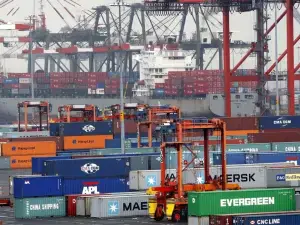
Hard times The trade deficit is expected to be more than 25 billion dinars ($7.99 billion) for the whole of 2022, a record level that compares with 16.2 billion in 2021.
Tunisia, which is struggling to tackle its public finances, is seeking a loan from the International Monetary Fund in exchange for unpopular reforms including spending cuts, wage freezes and reductions in energy and food subsidies.
The IMF also called for further monetary tightening to tackle inflation.



















Comments
Comments are closed for this article.