




LONDON: Little more than one percent of 5,000 big companies globally are making substantial disclosures of their climate risks, while more than half are not reporting them at all, according to data from ESG research and investment manager Arabesque.
Only 1.2% of the companies analysed by Arabesque -- most of them large listed firms -- reported on all 11 recommendations of the Task Force on Climate-Related Financial Disclosures (TCFD) in 2019.
Fifty-four percent of the top firms made no disclosures, it added.
The TCFD was set up by the Financial Stability Board, which groups regulators, central banks and treasury officials from G20 countries, and set out recommendations in 2017 on how companies could voluntarily disclose the risks and opportunities from climate change.
Investors are increasingly focusing on companies' exposure to climate change, as UN climate talks ended on Saturday with a deal that for the first time targeted fossil fuels as the key driver of global warming.
"We need to put action to the promises," said Arabesque president Daniel Klier.
"TCFD is the framework everyone is looking at...the quality of disclosure has to improve quite significantly."
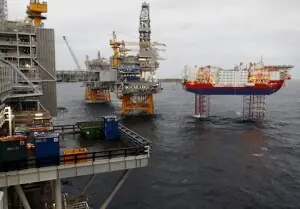
Health and technology services companies were the worst offenders, with more than 70% making no disclosures, Arabesque's analysis showed, while energy companies were among those giving the most information.
"Industries facing most investor scrutiny are industries that are trying to do a better job," Klier said.
Regulators in markets such as Britain, the European Union, Brazil, Hong Kong, Japan, New Zealand, Singapore and Switzerland have begun using the TCFD recommendations as a basis for mandatory disclosures.
The TCFD also said last month only about half of companies disclosed climate-related risks and opportunities in some form, on average covering around a third of the 11 recommended disclosures. The TCFD's 2021 review covered more than 1,600 companies around the world.
A lack of analytical tools to quantify the exposure of assets to physical climate risks is contributing to "chronic underinvestment" in climate resilience by the private sector, according to a report this week by the Coalition for Climate Resilient Investment group of institutional investors and governments with over $20 trillion in assets.
























Comments
Comments are closed for this article.