


Vaccine deliveries for poor nations delayed, as EU tackles shortfall

• India slows vital vaccine exports as cases soar
BRUSSELS: A co-founder of the global scheme to provide vaccines for poor people said Thursday that India was delaying exports of much-needed jabs, as EU leaders met for crisis talks in Brussels to try to solve supply issues on the badly-hit continent. The fracas around vaccines threatens to slow a global immunisation drive that is seen as the way out of the pandemic, as third waves sweep several countries and force governments to reimpose tough anti-virus restrictions.
At the centre of much of the vaccine controversy is AstraZeneca, which on Thursday said its jab was three percent less effective than previously thought, after being called out for publishing outdated data. AstraZeneca is also one of the main vaccines used in the Covax project, which supplies poorer countries with jabs, and is facing export delays in India where it is produced by the Serum Institute. The Gavi alliance, a Covax co-founder, said deliveries of vaccines to lower-income economies will face delays because of a “setback” in obtaining export licences from the Indian government.
The AstraZeneca shot was hailed as a breakthrough because it is cheaper and easier to store and transport than other Covid jabs.
It is at the centre of the EU’s vaccine woes, with an infuriated Brussels tightening export controls after the British-Swedish company failed to deliver the doses it had promised to the bloc.
EU leaders met via videoconference Thursday to discuss AstraZeneca supplies, as well as new vaccine export rules that will weigh how needy countries are in terms of infection rates, how many jabs they have, and how readily they export doses to the bloc.
EU Commission head Ursula von der Leyen released updated figures on how many vaccines the bloc has exported — 77 million vaccine doses to 33 countries since December. By contrast, 88 million doses will have been delivered in the 27-nation bloc by the end of this week, also since December. But estimates for the second quarter of this year showed that 360 million doses should be delivered from BioNTech/Pfizer, Moderna, AstraZeneca and Johnson & Johnson.
The talks come as Germany, France, Belgium, Austria and the Netherlands tighten restrictions to control surges in cases.
Germany further bolstered rules Thursday, saying travellers headed to the country by plane must show a negative Covid test before boarding. The pandemic has claimed more than 2.7 million lives worldwide, hammered the global economy and left much of humanity under punishing restrictions.
The pharma giant was forced to review its US trials and then slightly revise down the jab’s efficacy at preventing symptomatic Covid from 79 percent to 76 percent, after an American agency raised concerns about outdated information.
It remains 100 percent effective against severe Covid, it added.
Several countries paused the jab this month after reports of blood clots in people who had received the vaccine, but many resumed using it after the World Health Organization and the European Medical Agency (EMA) said it was safe. Despite the assurances, the EMA said Thursday it is convening a group of experts next week to look into incidents of blood clotting and “provide additional input into the assessment”.
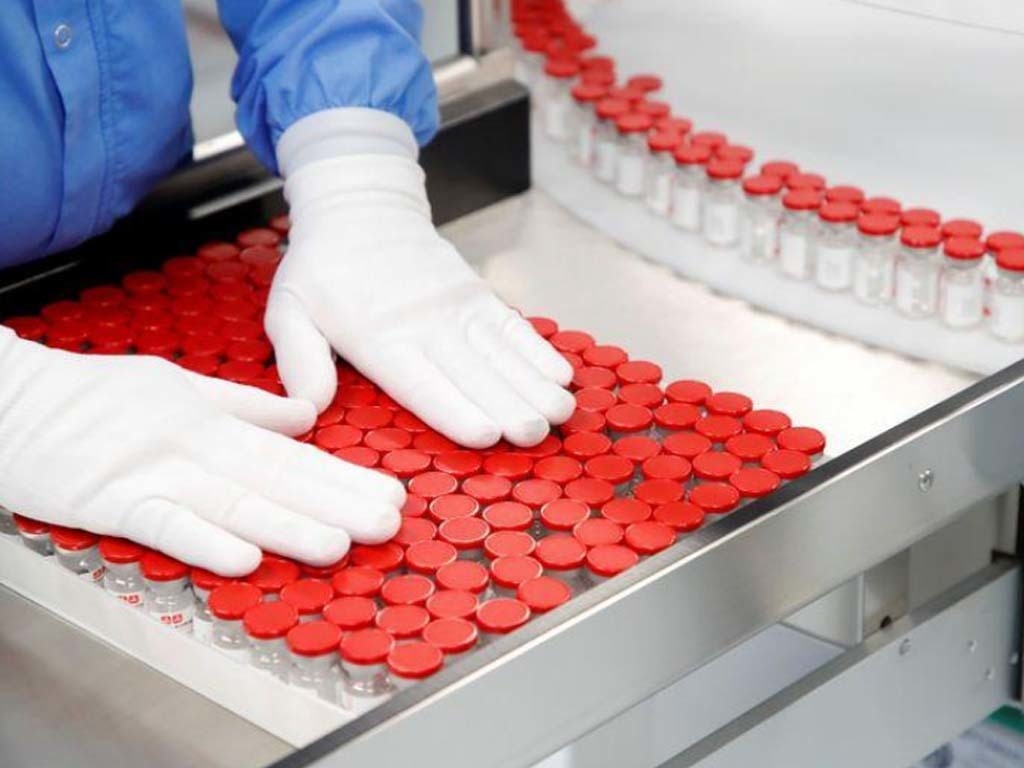
India, the “pharmacy of the world”, has put the brakes on exporting Covid-19 vaccines as it battles a new wave of infections at home and a faltering inoculation drive.
As a major supplier, the development is a blow to vital vaccination programmes in poorer countries under the Covax global inoculation initiative led by the World Health Organization and the Gavi alliance.
So far, India has sent more than 60 million doses to 76 countries, mostly AstraZeneca shots manufactured by the Serum Institute of India (SII), the world’s largest vaccine maker by volume.
On Thursday, Gavi said vaccine deliveries planned for the rest of March and April “will face delays” because of “increased demand of Covid-19 vaccines in India”.
An Indian government source said late Thursday it had “not imposed any ban on exports of vaccines unlike many other countries”.
“We remain committed to help the world with vaccines, including through Covax... Given our current manufacturing capacity and requirements of national vaccination programmes, there may be a need to calibrate the supply schedules from time to time.”
Denmark meanwhile said it would not resume the jab for at least three weeks as it had note ruled out a link to clots.















Comments
Comments are closed for this article.