


Debt-averse Germany to take on new borrowings in 2022
- In 2021, Berlin is set to take on 240.2 million euros of additional debt, around a third more than initially forecast in December.
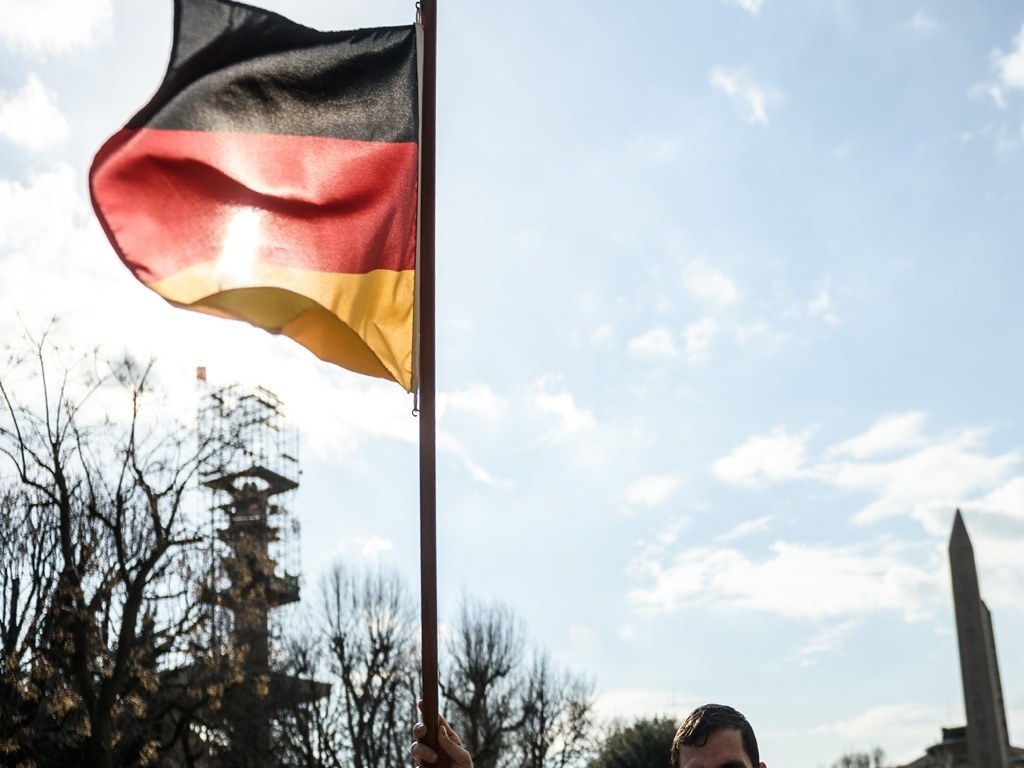

BERLIN: The German government will seek to suspend a constitutional rule against the state taking on new debt for the third year in a row in 2022, AFP learned from ministry sources Monday, as Berlin looks to soften the economic blow of the pandemic.
Europe's largest economy will borrow 81.5 million euros in 2022, breaking its so-called "debt brake" rule, which forbids the government from borrowing more than 0.35 percent of gross domestic product (GDP) in a year.
In 2021, Berlin is set to take on 240.2 million euros of additional debt, around a third more than initially forecast in December.
Having originally planned to halt borrowing in 2022, the government is now aiming to return to its constitutionally enshrined fiscal discipline a year later, with only 8.3 billion euros of new debt in 2023.
The budget adjustments drawn up by the finance ministry will be presented to the cabinet on Wednesday and would then require approval from parliament.
Germany smashed its domestic taboo on new government borrowing in 2020 and 2021 as it scrambles to shield businesses and workers from the economic hit of the coronavirus.
The German economy suffered its biggest contraction in 2020 since the 2009 financial crash because of the pandemic, although the decline was smaller than the slumps seen in other European countries.
Yet hopes of a recovery this year have been hit by ongoing shutdown measures which have seen entire sectors of the economy idled for months, with the government revising down its 2021 growth forecast to 3 percent in January.
As a third wave of the pandemic tears through Europe, the government is expected to extend and tighten lockdown measures into April following a meeting between Chancellor Angela Merkel and regional leaders on Monday.
The issue of taking on new debt, which has long been a fundamental red line for Chancellor Angela Merkel's government, has also sparked heated debate at the beginning of an election year in 2021.
In January, Merkel's chief of staff Helge Braun caused a major ruckus within his own party when he suggested that the rule on fiscal discipline should be lifted for several years to c



















Comments
Comments are closed for this article.