


Namibia moves to curb mining speculators, boost local ownership
- Mines and Energy Minister Tom Alweendo told Reuters that effective April 1, Namibian mining exploration license holders will be required by law to retain at least a 15% stake.
- The ministerial decree is the latest attempt by the world's fourth-largest uranium producer to boost local participation in mining, a key contributor to the economy.
WINDHOEK: Diamond and uranium producer Namibia said on Wednesday that locals who own mineral exploration licenses will no longer be able to sell out to foreigners, in a move aimed at curtailing speculation in the sector.
Mines and Energy Minister Tom Alweendo told Reuters that effective April 1, Namibian mining exploration license holders will be required by law to retain at least a 15% stake.
"For a Namibian to sell their entire stake in an exploration license means they are not interested in mining but just want to make money," Alweendo said in a telephone interview.
"I don't want Namibians to say that they have not been given opportunities."
Chamber of Mines CEO Veston Malango said the new policy would not affect any foreign companies' exploration licenses.
The ministerial decree is the latest attempt by the world's fourth-largest uranium producer to boost local participation in mining, a key contributor to the economy.
Namibia used to require companies seeking new exploration licenses to have a 20% Black Namibian representation in management.
Critics said the policy threatened Namibia's ability to attract foreign investment, and it was scrapped in late 2018.
Namibia dropped 33 places in a global Policy Perception Index and fell from first in Africa in 2019 to fifth in 2020, a Fraser Institute survey of mining companies found, due to concerns about skills, regulatory inconsistencies, and infrastructure.
Namibia's mining industry has been hit hard by the global pandemic and economic slowdown.
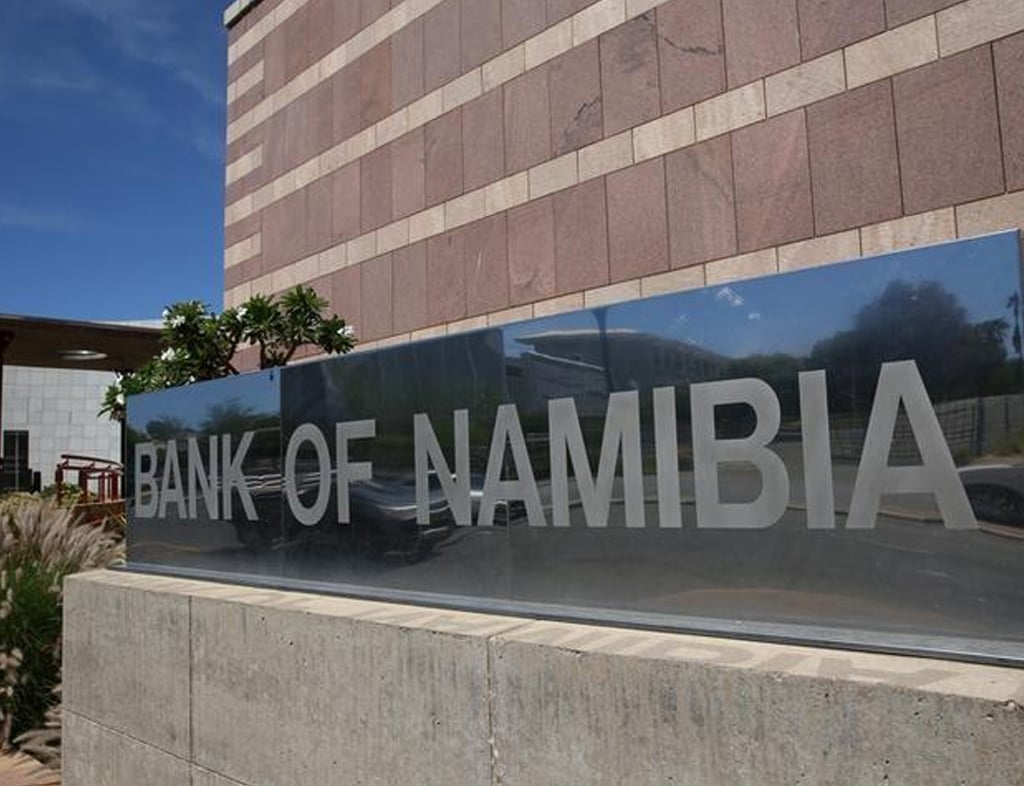
According to the Bank of Namibia (BoN), diamond output was down 14.7% in real terms in 2020. Diamond output is projected to grow 2.8% in 2021 and 16.9% next year.
The uranium mining sector contracted by 5.2% in 2020, the central bank said, but is expected to expand by 8.5% this year and 5.7% in 2022.




















Comments
Comments are closed for this article.