


Pfizer/BioNTech vaccine appears effective against mutation in new coronavirus variants: study
- Dormitzer noted another mutation found in the South African variant, called the E484K mutation, is also concerning.
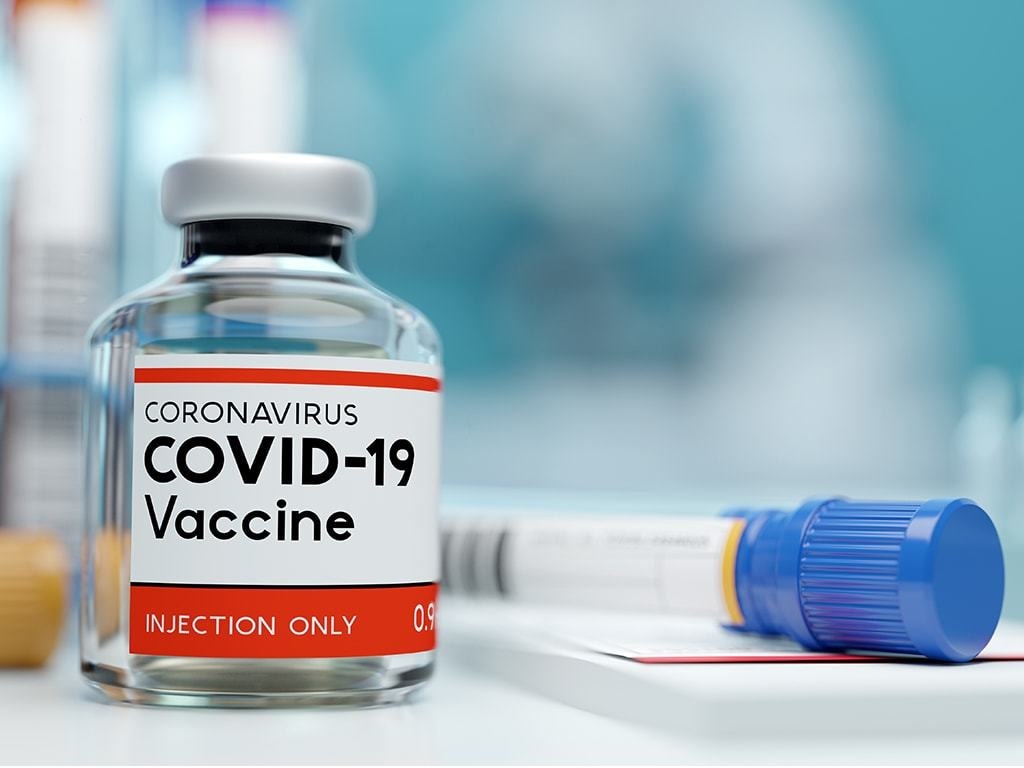

NEW YORK: Pfizer Inc and BioNTech's COVID-19 vaccine appeared to work against a key mutation in the highly transmissible new variants of the coronavirus discovered in the UK and South Africa, according to a laboratory study conducted by the U.S. drugmaker.
The not-yet peer reviewed study by Pfizer and scientists from the University of Texas Medical Branch indicated the vaccine was effective in neutralizing virus with the so-called N501Y mutation of the spike protein.
The mutation could be responsible for greater transmissibility and there had been concern it could also make the virus escape antibody neutralization elicited by the vaccine, said Phil Dormitzer, one of Pfizer's top viral vaccine scientists.
The study was conducted on blood taken from people who had been given the vaccine. Its findings are limited, because it does not look at the full set of mutations found in either of the new variants of the rapidly spreading virus.
Dormitzer said it was encouraging that the vaccine appears effective against the mutation, as well as 15 other mutations the company has previously tested against.
"So we've now tested 16 different mutations, and none of them have really had any significant impact. That's the good news," he said. "That doesn't mean that the 17th won't."
Dormitzer noted another mutation found in the South African variant, called the E484K mutation, is also concerning.
The researchers plan to run similar tests to see if the vaccine is effective against other mutations found in the UK and South African variants and hope to have more data within weeks.
Scientists have expressed concern that vaccines being rolled out may not be able to protect against the new variants, particularly the one that emerged in South Africa.
Simon Clarke, an associate professor in cellular microbiology at the University of Reading, said this week that while both variants had some new features in common, the one found in South Africa "has a number additional mutations" that included more extensive alterations to the spike protein.
The Pfizer/BioNTech vaccine and the one from Moderna Inc , which use synthetic messenger RNA technology, can be quickly tweaked to address new mutations of a virus if necessary. Scientists have suggested the changes could be made in as little as six weeks.






















Comments
Comments are closed for this article.