


Australian scientists develop genome sequencing to trace COVID-19 cases within four hours
- "By identifying this genetic variation, we can establish how different cases of coronavirus are linked," UNSW scientist Rowena Bull said.
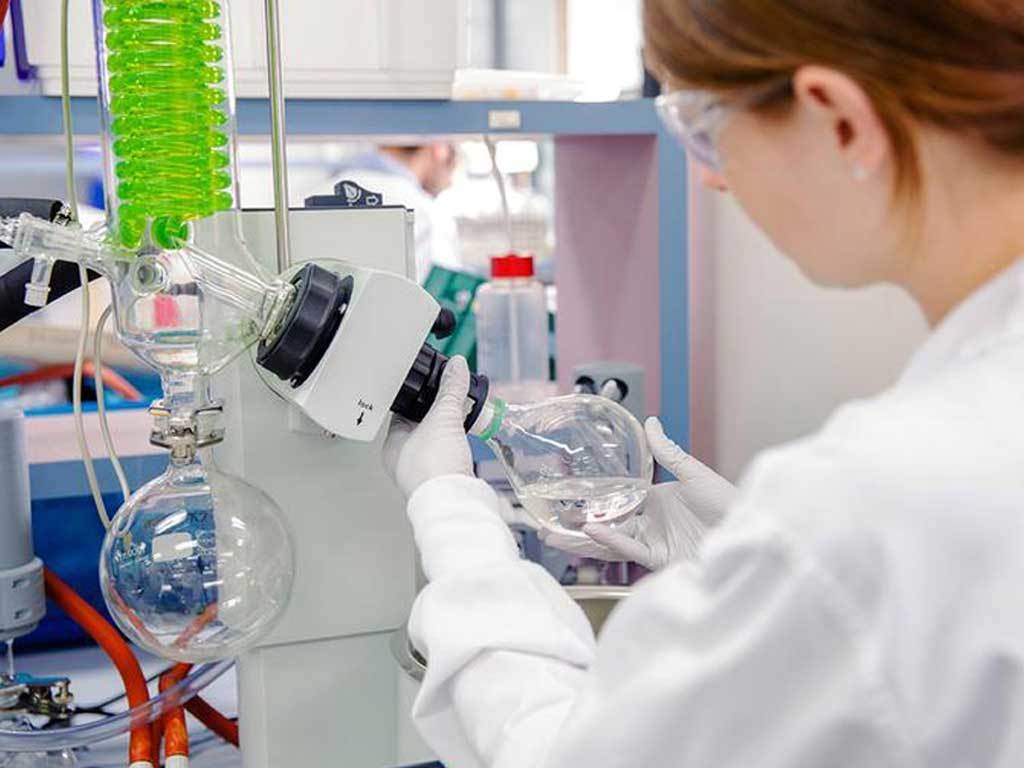

SYDNEY: Australian scientists said on Thursday they had developed a rapid genome sequencing method that would cut to within four hours the time taken to trace the source of coronavirus cases, helping to quickly contain any future outbreaks.
Genome sequencing can help scientists monitor small changes in the virus at a national or international scale to understand how it is spreading and provide insight into how different cases are linked.
"When a new 'mystery' coronavirus case is identified, every minute counts," Ira Deveson, scientist at the Garvan Institute of Medical Research, said in a report, prepared in collaboration with the University of New South Wales (UNSW).
Genomic testing helps track the source of mystery cases, the ones whose source of infection remains unknown. But results often take more than 24 hours now.
The novel coronavirus genome is about 30,000 letters long, but tiny compared with the 3 billion letters that make up the DNA, or deoxyribonucleic acid, of the human genome.
The virus can alter the genetic signature of the hosts as it replicates itself inside them.
"By identifying this genetic variation, we can establish how different cases of coronavirus are linked," UNSW scientist Rowena Bull said.
Australia has largely avoided the high number of cases and deaths from the virus compared with other developed countries, cautiously easing restrictions after reporting zero local COVID-19 cases for the past several days.
It has reported just under 28,000 cases of COVID-19 and 908 deaths since the pandemic began but estimates there are fewer than 50 active cases remaining, mostly returned travelers from overseas in hotel quarantine.




















Comments
Comments are closed for this article.