


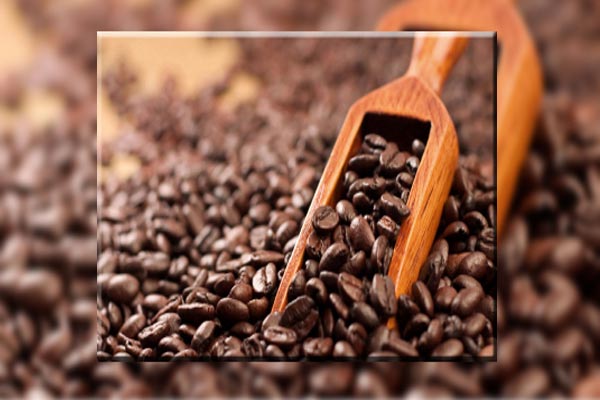
 HANOI: Vietnamese coffee premiums rose slightly this week following a drop in robusta futures, while the country's exports of the commodity have jumped by around a third, according to traders and government data.
The rainy season has returned to most of the Central Highlands coffee belt, responsible for at least 80 percent of Vietnam's coffee output, state forecasters said.
The rain has contributed to easing global coffee prices. ICE July robusta settled down 1 percent at $1,643 per tonne on Monday. The contract hit $1,707 a tonne last Tuesday, the highest level since August.
Robustas eased to 35,800-36,200 dong ($1.60-$1.62) per kg in Daklak, Vietnam's largest growing province, from 36,500-36,700 dong last Tuesday.
Premiums of Vietnamese robusta grade 2, 5 percent black and broken widened to $30-$40 a tonne to the July contract, from premiums of $20-$30 a week ago.
Differentials and futures often move in opposite directions.
"The export volume is high and stocks are also plentiful now," said a trader at a foreign firm in Ho Chi Minh City.
Vietnam has exported 67,000 tonnes of coffee in the first half of May, up 29 percent from a year ago, based on Vietnam Customs data.
The shipment brought the coffee exports since the start of this year to 732,600 tonnes, up 36 percent compared with last year.
However, the Vietnam Coffee and Cocoa Association has yet to revise its last month's forecast of Vietnam's annual coffee exports this year, which envisaged the volume dropping 25 percent from 2015 to 1 million tonnes.
"The volume for the whole year still depends on farmers' willingness to hold or to release stocks," Chairman Luong Van Tu told Reuters.
In the Central Highlands coffee belt, the rainy season has begun in Dak Nong province, the region's third largest coffee-growing province after Daklak and Lam Dong, the provincial weather station said in a report.
In Daklak, the drought has now ended and water levels in rivers and streams are rising following recent rains, said a report by the Daklak hydro and meteorology station.





















Comments
Comments are closed for this article.