


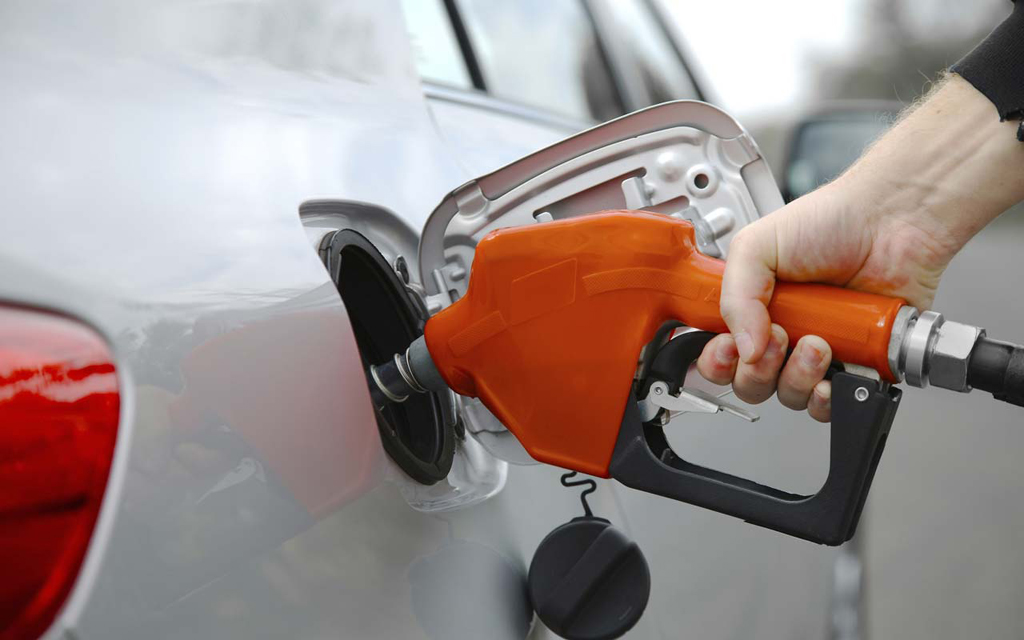
 DAMASCUS: Damascus on Monday imposed new limits on subsidised petrol for cars and motorbikes in regime-held areas of Syria, in the latest bid to curb a fuel crisis it blames on Western sanctions.
Owners of private cars would now be allowed just 20 litres (about 7.5 gallons) of fuel every five days, said the ministry of petroleum and mineral resources.
At petrol stations in the capital, queues hundreds of metres (yards) long have stretched along streets in the past few weeks, with drivers waiting for hours to get their fill.
Qusay, a taxi driver in his 30s, said he had camped out in his car overnight to make sure he got some fuel from a station, so far to no avail.
"I got to the front of the queue after midnight with less than 20 cars ahead, but then the petrol ran out at the station," he told AFP, adding that "it's still closed".
Ahmad al-Hamawi, 45, gave up after four long hours of waiting.
"I'll try to forget my car in the coming days and walk to work," said the radio programme director.
The measures announced on Monday allow taxi drivers to fill up 20 litres every two days.
Motorbikes would be permitted three litres every five days, the ministry said, in what it described as a "temporary measure to fairly distribute petrol".
The measures are the latest in a series of restrictions on the daily consumption of subsidised petrol.
On April 8, the ministry of petrol and mineral resources said it was temporarily slashing the daily cap on subsidised petrol by half, to 20 litres from 40 per vehicle.
Then on April 10 it further halved the amount to 20 litres every two days.
On Sunday, the government said it would halve the amount of fuel allocated to public institutions to run their vehicles, state news agency SANA said.
The petrol crisis follow fuel oil and cooking gas shortages over the winter.
Syrian officials have blamed the crisis on a flurry of Western sanctions targeting the Damascus regime since the start of the civil war in 2011.
In November, the US Treasury issued an advisory threatening penalties against those "involved in petroleum-related shipping transactions with the Government of Syria".
Prime Minister Emad Khamis told journalists earlier this month that petrol shipments from Iran had been suspended for six months as Egypt was not allowing them through the Suez Canal, an allegation Cairo has denied.
The regime, backed by Iran and Russia, controls almost two-thirds of Syria after a series of victories against rebels and jihadists since 2015, but the country's main oil and gas fields in the northeast remain out of government control.





















Comments
Comments are closed for this article.