


New artificial cells capable of producing their own energy via photosynthesis
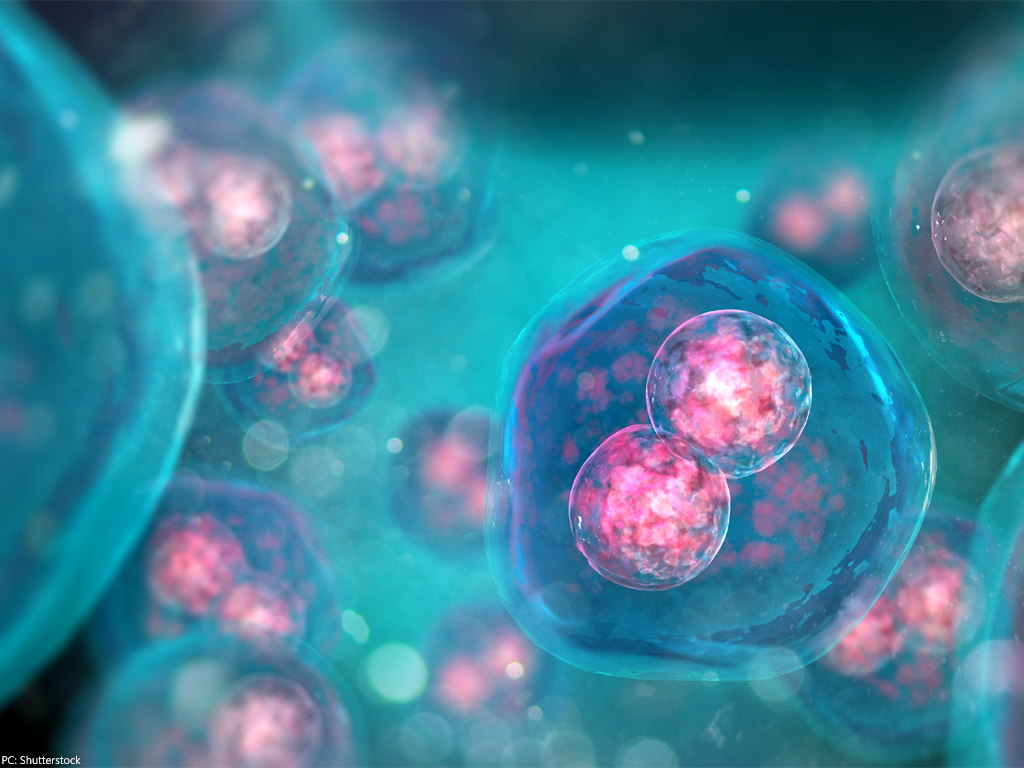
In a first, scientists have created artificial cells in lab that are able to produce their own energy and make their own parts through photosynthesis, the same way as plants.
Researchers at the Tokyo Institute of Technology in Japan made these artificial cells that produce chemical energy which is then used to make more parts of the cells themselves.
Ability to produce their own chemical energy and synthesize parts of their own construction makes the artificial cells a lot similar to real, biological cells that can actually construct and organize their own building blocks naturally. This discovery, as per Daily Mail, could lead scientists to find out details of how real cells work and explain more about their origins and evolutionary history.
New artificial leaf design can absorb way more carbon dioxide than natural ones
“I have been trying for a long time to construct a living artificial cell, especially focusing on membranes,” said lead researcher Yutetsu Kuruma. “In this work, our artificial cells were wrapped in lipid membranes, and small membrane structures were encapsulated inside them. In this way, the cell membrane is the most important aspect of forming a cell.”
The lipid membranes contained two proteins ATP synthase and bacteriorhodopsin, which were purified from living cells. The two proteins were designed to work in tandem, to use light energy to create an energy difference inside the cell, and then to use that energy difference to construct more molecules and more protein, explained Science Alert.
During experiments, the photosynthesis took place as hopes. The artificial cells mimicked real cells by making messenger RNA (mRNA) from DNA, and then making protein from mRNA. The cells’ ability to produce energy and do their own synthesizing can eventually lead to creating independent artificial cells that can be sustained on their own.
“Our artificial photosynthetic cell system paves the way to construct an energetically independent artificial cell,” the researchers wrote in the study published in Nature Communications.


















Comments
Comments are closed for this article.