



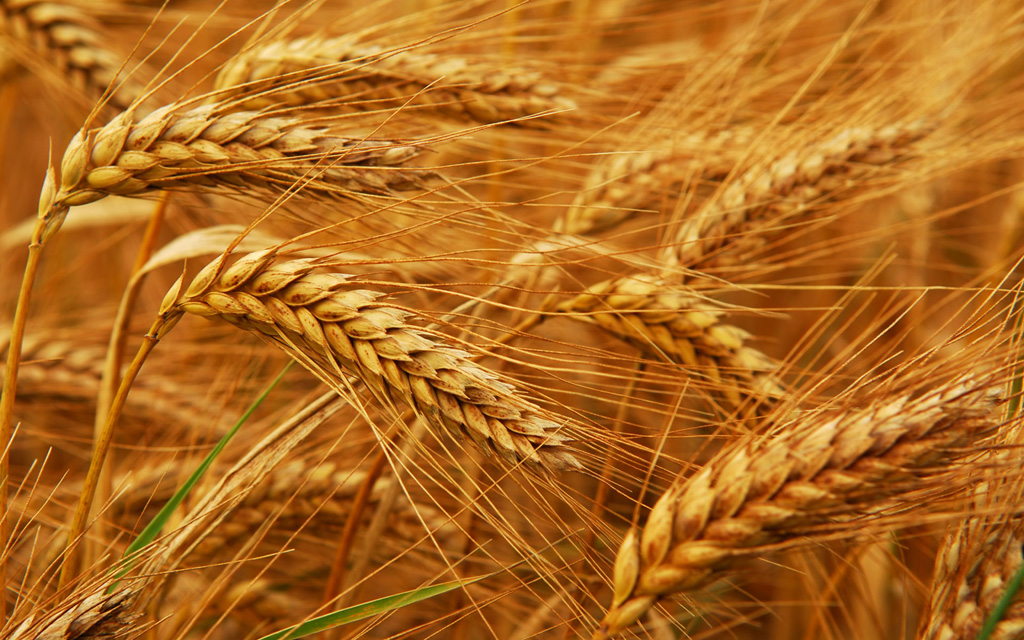
 BAGHDAD: Iraq, a major Middle East grain importer, said on Tuesday it sees local wheat production for the 2018-2019 season reaching almost 3 million tonnes due to higher rainfall.
The total area of wheat planted using irrigation methods has shrunk from one million hectares in the 2017-2018 season to 550,000 hectares this season, but better rainfall will up the crop from the 2.17 million tonnes produced in 2018, Mahdy al-Jabouri, an undersecretary at the ministry, told Reuters.
"The size of production for this season we expect will cover 60 percent of the needs of the food rationing programme that requires 4.5 million to 5 million tonnes of wheat annually," he said.
Jabouri said better weather in Nineveh, Iraq's former breadbasket, meant more wheat was planted this season than last year, yet added it was too early to give an estimate for production of the grain out of that province.
An investigation by Reuters in July showed how Nineveh was becoming a dust bowl after drought and years of war.
When rains failed Nineveh last season, the government procured only a little over 100,000 tonnes of wheat from a region that used to produce close to one million tonnes annually before Islamic State took over in 2014.
"This is the first agricultural season for a lot of the liberated provinces (from Islamic State rule) and so it needs a lot of effort from us," Jabouri said.
In September, Iraq said it would cut the total irrigated area it plants by half in the 2018-2019 season as water shortages gripped the country.
Drought and dwindling river flows forced Iraq to ban farmers from planting rice and other water-intensive summer crops.
"We have dedicated only 1,250 hectares to rice this summer on water shortages ... but we hope to increase to 25,000 hectares next season but that is subject to coordination with the water resources ministry," he said.




















Comments
Comments are closed for this article.