



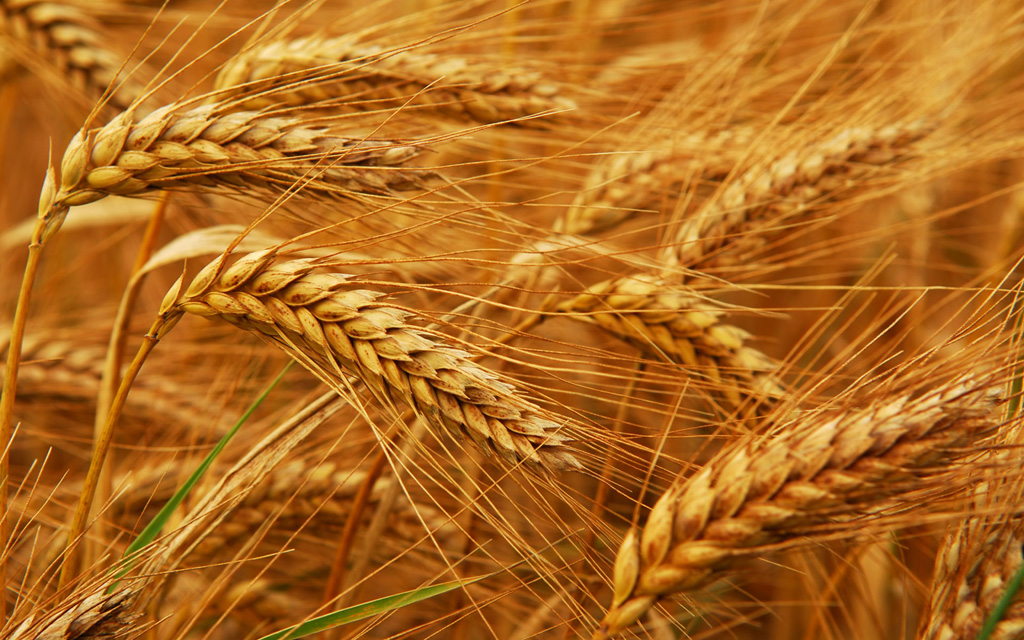
 SYDNEY: Australia has cut its forecast wheat production by nearly 8 percent for 2018/19, the country's top commodity agency said in a report released on Wednesday, as prolonged dry weather across the country's east coast crimps national output.
The world's fourth-largest exporter of the grain said production during the 2018/19 season would total 21.9 million tonnes, down from a previous forecast of 23.7 million. It also said yields could fall further without desperately needed rains.
"Sufficient and timely winter rainfall will be critically important for crop development," the Australian Bureau of Agricultural and Resource Economics and Sciences (ABARES) said.
Lower Australian wheat production could support benchmark global prices, which have soared around 14 percent since early April as traders worry about lower global supply amid unfavourable weather across major exporters, including the United States, Russia and Australia.
EAST VS WEST
Australia's wheat crop is poised to record a second consecutive season of below average production, coming after the 2017/18 harvest hit an eight-year low.
Most of the country saw less than half the rains normally recorded in May, and farmers on Australia's east coast are feeling the brunt of the unfavourable weather, which came during the region's crucial wheat-planting window.
Farmers typically wait to sow wheat after heavy rains anytime between late April and early June.
"The crops are late but not in strife yet," said John Hatty, a farmer in the small town Tocumwal, in rural New South Wales, west of Sydney.
"As long as we get rain ... I've got my fingers crossed."
ABARES said acreage devoted to wheat in New South Wales will fall to a 13-year low, with 2.8 million acres (1.1 million hectares) devoted to Australia's most important grain.
A poor harvest poses a threat to Australia's biggest listed bulk grain handler, GrainCorp Ltd, whose primary business is the trading of east coast wheat, for which it controls about 80 percent of all grain produced.
GrainCorp said earlier this year that 2018 profits would halve from the year before, and that a second year of lower output would extend the financial pain into 2019.
Although the overall wheat harvest will be reduced, output from the country's west is expected to offset some of the pain.
ABARES said production from Western Australia, the country's largest producing region, is set to total 8.1 million tonnes, up 2.5 percent from last year.
Timely rains provided a much needed boost for the state, which can account for as much as 50 percent of national wheat production.


















Comments
Comments are closed for this article.