


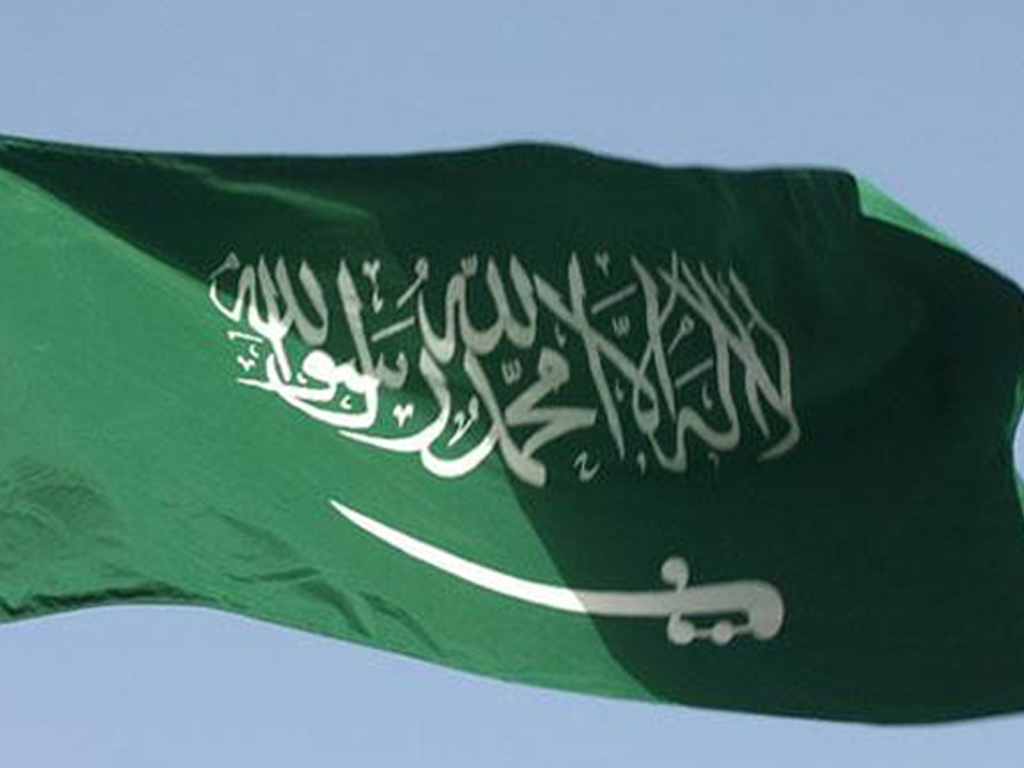
 ISLAMABAD: The 30th edition of the IMD World Competitiveness Yearbook, saw a slight decrease in the ranking of the Kingdom of Saudi Arabia, moving down three places, and landing on 39th.
Saudi Gazette reported that despite experiencing a minor decline, the Kingdom saw a remarkable improvement in various indicators, such as public finance, which in turn lead to an improved basic infrastructure.
Additionally, Saudi saw an increase in the number of international investments as well as international trade throughout the year. Something which can be seen as a direct result of the reforms the kingdom is experiencing. Similarly, the societal framework, and overall attitudes and values indicators saw an improvement as well.
In spite of improved performance in these indicators, Saudi’s quest to rank among the world’s top competitive countries is long. The Kingdom still ranks low in finance and domestic economy, and is challenged in balancing the budget deficit due to fluctuations in oil prices. Additionally, the labor market saw a remarkable decline from 35th to 57th place. Something that can be closely linked to the low number of women in employment.
With the Saudi Vision 2030 already in full bloom, there is no doubt that Saudi economy’s will catch up its neighboring countries in securing top rankings in the coming years. For developing the Saudi human capital especially youth and women, falls in line with the Vision 2030 objectives of driving a sustainable economy in the Kingdom will undoubtedly play a leading role in stimulating its national economy and increasing its competitiveness.
Professor Arturo Bris, director of the IMD World Competitiveness Center, said “Saudi Arabia is undergoing an important phase of reforms which might have increased perceptions of uncertainty about the future. Also, the country is currently pursuing a strategy of diversification of its economy in order to reduce the dependence from the oil sector. These changes as well as a slowdown in GDP growth and gross fixed capital formation led to a decline of three positions in the 2018 ranking with respect to last year.”
Globally, the 2018 rankings emphasize a long-term trend highlighted in past editions — that the countries on the top of the list each have a unique approach to becoming competitive.
Regionally, despite the increase of political tensions in the area, other Arabic countries experienced competitiveness improvements with the UAE being the only Arab country to rank in the top ten (7th), while Qatar ranked in the top 20 (14th), and Jordan climbed four positions to land 52nd.
The IMD World Competitiveness Center, a research group at IMD business school in Switzerland, has published the rankings every year since 1989. It compiles them using 258 indicators. ‘Hard’ data such as national employment and trade statistics are weighted twice as much as the ‘soft’ data from an Executive Opinion Survey that measures the business perception of issues such as corruption, environmental concerns and quality of life. This year 63 countries are ranked.

























Comments
Comments are closed for this article.