


Govt focused on export-led sustainable growth, private sector facilitation: finance minister
- Structural reforms under way to stabilise Pakistan’s economy, Aurangzeb says
Pakistan's Finance Minister outlined structural reforms for economic stability, focusing on export-led growth, tax improvements, energy cost reduction, and private sector encouragement to move beyond boom-bust cycles.
- Boosting exports, improving the tax system, and reducing energy costs.
- Pakistan's improved credit rating and robust foreign exchange reserves.
- Encouraging private investment for sustainable, employment-generating growth.
- Addressing rapid population growth and climate change challenges.
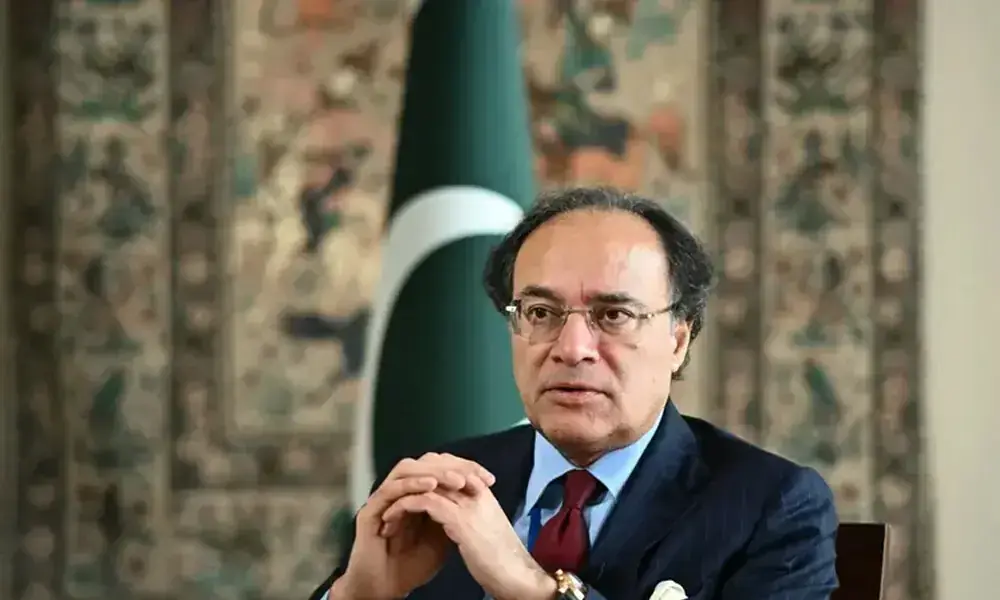
Federal Minister for Finance and Revenue Muhammad Aurangzeb said on Saturday structural reforms were under way to stabilise Pakistan’s economy, with the government focusing on export-led sustainable growth, improving the tax system, reducing energy costs, and encouraging the private sector.
He said IT exports were expected to reach $5.5 billion and remittances $44 billion during the current fiscal year, while the country’s foreign exchange reserves were sufficient to cover more than three months of imports.
Addressing a ceremony at a private university in Lahore on Saturday, the finance minister said Pakistan needed to move away from its historical boom-and-bust economic cycle towards a growth trajectory that could generate employment opportunities and ensure that the benefits of economic progress reach the people.
He said excessive reliance on imports had repeatedly exposed Pakistan to balance-of-payments crises, after which it took four to five years to stabilise the economy. To avoid such a situation, the country needed to increase exports, improve productivity and strengthen its economic fundamentals, the minister added.
Aurangzeb said Pakistan’s credit rating had improved three times since April last year as a result of sustained efforts. Steps had also been taken to improve access to international financial markets. Pakistan undertook a private placement in April this year and advanced its efforts to access global markets through the issuance of Panda bonds.
He said investor orders for Pakistan’s eurobonds were twice the amount offered, with investors from Asia, the Middle East, Europe and the United States also expressing interest.
The finance minister said Pakistan’s foreign exchange reserves were at a historic high and sufficient to cover more than three months of imports, compared with a time when reserves had fallen to the equivalent of just two weeks of imports.
He said global investors were now also assessing Pakistan’s economic position beyond its International Monetary Fund (IMF) programme. The country’s current IMF programme is scheduled to conclude in October next year, making it essential to implement reforms to maintain economic stability, strengthen investor confidence and ensure policy continuity.
He said the government was taking steps to improve the tax system, broaden the tax base and promote exports. Measures to boost exports included the abolition of the super tax and reductions in tax slabs, while the budget also provided for financing facilities for exporters at an interest rate of 4.5%.
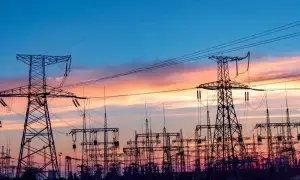
Aurangzeb said reducing tariffs and energy costs was necessary to enhance competitiveness in regional markets. Discussions had also been held on supplying surplus electricity to industries at approximately Rs23 per unit.
He said Pakistan needed economic growth that could increase investment and production while creating new employment opportunities. Achieving growth of 7-8% alone was not enough; its benefits must also reach the public and improve their living standards, according to the minister.
He added that the government aimed to stimulate economic activity by encouraging the private sector, facilitating investors and improving the business environment.
Regarding the energy situation, the finance minister said Pakistan had avoided energy shortages despite regional conflicts, and motorists had not faced long queues at petrol pumps.
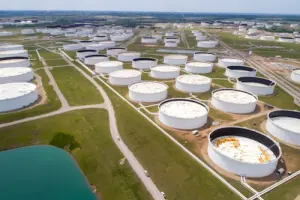
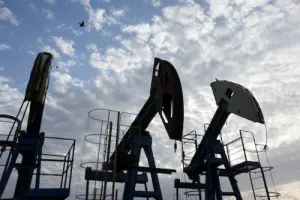
He said the supply situation for crude oil and other energy sources was satisfactory, with adequate arrangements in place to meet requirements until November. Planning for the winter season was also under way.
The minister stressed the need for timely measures to meet gas and liquefied natural gas (LNG) requirements to prevent difficulties for domestic and industrial consumers.
On public relief measures, Aurangzeb said the government had adopted targeted subsidies instead of general subsidies to ensure that assistance reached those who genuinely needed it.
He said targeted subsidies had been provided for motorcycles, three-wheelers and vehicles with engine capacities below 800cc. Around 12 million unique individuals had benefited from the scheme, while approximately 40 million to 50 million people had benefited overall.
He said targeted assistance allowed limited public resources to be directed towards the most deserving segments of society.
The finance minister identified climate change and rapid population growth as major challenges facing Pakistan. He said the country’s annual population growth rate was approximately 2.55% and that, if the current trend continued, the population could reach 390 million.
He warned that rising population could place additional pressure on education, healthcare, employment and other essential services, making long-term planning and structural measures necessary.
He said Bangladesh, Indonesia and Iran had made progress in reducing their population growth rates to below 1% over the past decade, and Pakistan also needed to take steps to promote women’s education, increase their participation in the workforce and raise public awareness.
Aurangzeb said women’s labour force participation in Pakistan stood at approximately 22.7%, adding that an increase in this rate could strengthen the country’s productivity and economic growth.
The finance minister said the global economy was facing uncertainty, with regional conflicts potentially affecting the prices of essential commodities and energy supplies.
Under these circumstances, he said, Pakistan needed to maintain the momentum of economic reforms, expand exports, encourage private investment and improve fiscal discipline to establish the economy on a sustainable footing and pave the way for employment-generating growth.
















Comments