


China's yuan poised to strengthen for a third week in a row on strong exports
- On Friday, the onshore yuan changed hands at 6.6907 in late-morning trade, barely changed from Thursday’s close
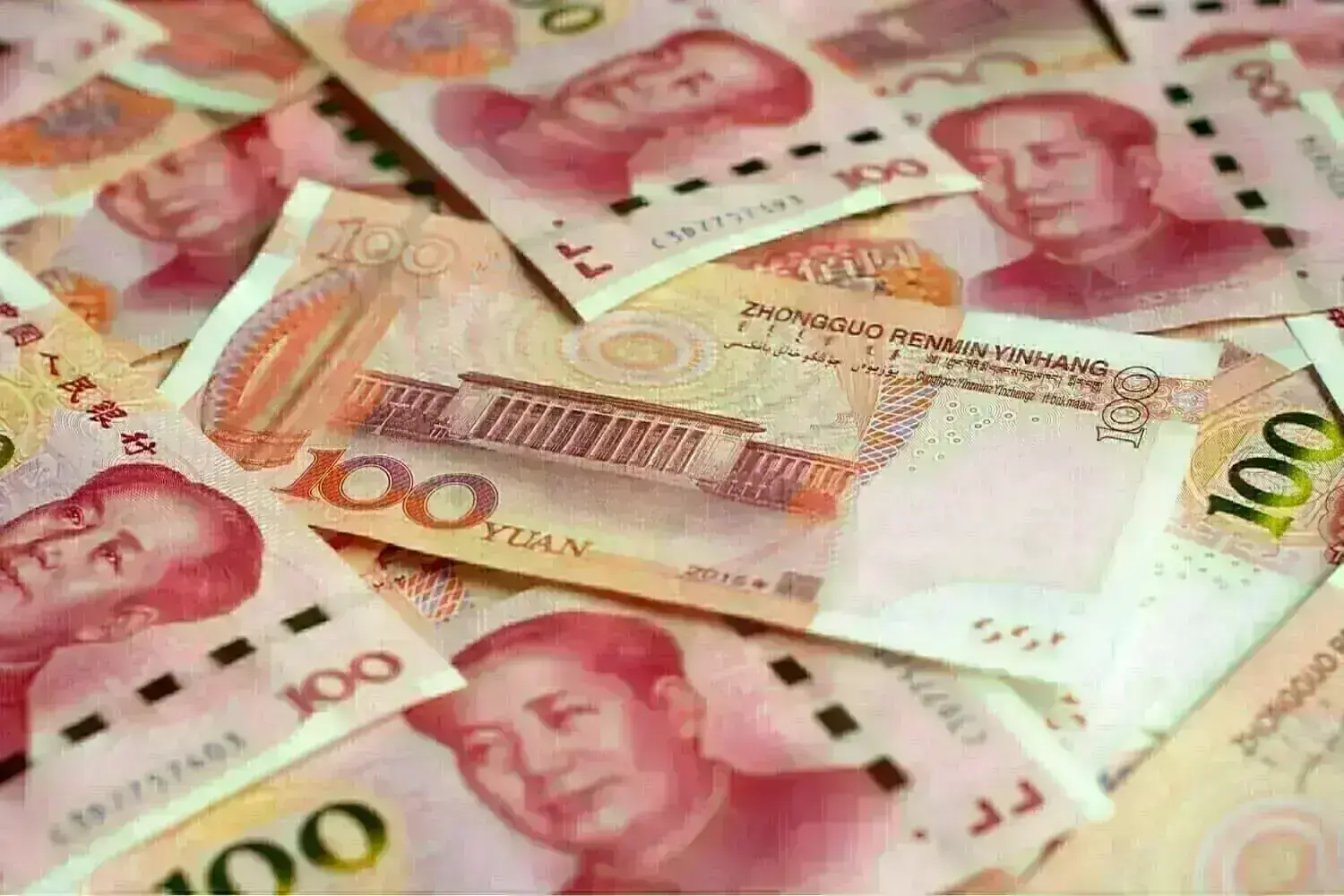
SHANGHAI: China’s yuan held steady against the dollar on Friday and was poised to strengthen for a third week as robust exports buoy the Chinese currency despite wobbly growth in the domestic economy and rising yields globally.
Signaling Beijing’s resistance to rapid yuan appreciation, China’s central bank governor said on Thursday that global imbalances cannot be resolved through exchange rate adjustments alone.
On Friday, the onshore yuan changed hands at 6.6907 in late-morning trade, barely changed from Thursday’s close. It earlier reached 6.6897 per dollar, the strongest level since January 2023.
Before trading started, the People’s Bank of China set the yuan’s guidance rate at 6.7220 per dollar, the strongest since February 2023.
“China’s exports remain strong, and lends support to a strong yuan,” Nanhua Futures said in a note.
Meanwhile, the dollar index pulled back from 18-month lows, thanks to “profit-taking, and dovish remarks from a Fed official,” the brokerage said.
US producer prices increased by the most in 4-1/2 years in September, but Nomura said the data was not strong enough for an October hike.
Investors will be focusing on Fed Chair Warsh’s fireside chat at the International Monetary Fund-World Bank meetings in Bangkok for clues on the US monetary policy path.
Traders will also monitor China’s GDP data set for release on Monday.
A Reuters poll indicates that China’s economic growth likely accelerated modestly in the third quarter from a more than three-year low, up 4.4% year-on-year.
Krishna Srinivasan, director of the IMF’s Asia and Pacific Department, urged China to deliver bigger fiscal stimulus to aid its teetering economy.
Pantheon Macroeconomics said China’s exports remain robust despite numerous headwinds.
“Chinese exports have continued to make strides despite higher tariffs, intensifying international pressure to rebalance trade, rising export prices and the steady RMB appreciation,” the think tank said.



















Comments