


Outlook for inflation
Inflation has surged since January 2026, exacerbated by the Middle East War and rising fuel/food prices. The SBP forecasts a decline, but this outlook faces significant risks from ongoing conflict and supply issues.
- Impact of the Middle East War on inflation.
- SBP's optimistic inflation forecast and its risks.
- Specific drivers of rising fuel and food prices.
- Potential for continued double-digit inflation.

The rate of inflation, as measured by the Consumer Price Index, has been showing a rising trend since January 2026, when the inflation rate was relatively low at 5.8 percent. Following the start of the Middle East War in February 2026, it rose to 7.3 percent in March 2026. By August 2026, the inflation rate soared to a double-digit rate of 11.1 percent.
Similarly, the weekly Sensitive Price Index rose to a double-digit rate of 10.6 percent last week. It was 8.6 percent in the previous week. Earlier, before the onset of the war, it was only 4.2 percent.
However, the SBP, in its recent Monetary Policy Report of August 2026, has made an assessment that the trend in the rate of inflation will gradually be reversed and that by June 2027, it will have come down to the upper part of the range of 5 to 7 percent. This was the original range projection at the start of 2026-27.
Clearly, the SBP has a very important role through monetary and exchange rate policies in managing the rate of inflation in the country. The display of optimism in the decline in the rate of inflation in the latter part of 2026-27 is clearly based on the assumption that the Middle East conflict will come to an end in the next few months and oil prices will slide back in a big way after the resumption of normal global trading volumes.
However, the SBP Monetary Policy Committee signals that there are big risks to the outlook of a decline in the rate of inflation in the latter part of 2026-27. This positive outcome will depend on less volatility in global commodity prices, especially of fuels. Also, the escalation in gas and electricity tariffs will have to be limited. There should also be no supply disruptions leading, for example, to unexpected movements in food prices.
The projection of the rate of inflation has to be based on examination of the factors that contributed to the rise in the rate of inflation since January 2026.
The first part of the analysis relates to factors explaining the variation of the rate of inflation in August 2026 of 11.1 percent among different groups of goods and services. As expected, on a year-to-year basis, the biggest increase is in transport of 20.2 percent. The other group is food items, which has experienced a rise in prices of 13.9 percent. Within the transport group, the largest increase of 24.5 percent is reported in the price of motor fuel. The highest inflation in the food group is in wheat flour, onion and tomato of 73.1 percent, 124.3 percent and 128.1 percent respectively.
The Consumer Price Index reports only the direct impact on inflation of fuel prices, following the start of the Middle East War and the closure of the Strait of Hormuz. The bigger impact is the rise consequently in transport cost of food items and a wide range of consumer goods. Transport costs are estimated at about 15 to 20 percent of the prices of these items. The overall direct and indirect impact on a year-to-year basis in August 2026 of the rise in fuel prices is 3.8 percent points out of the overall inflation rate of 11 percent. Therefore, 35 percent of the inflation is due to the increase in fuel costs. In contrast, about 20 percent of the inflation in August 2026 is the result of the rise in food prices.
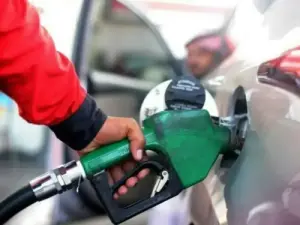
What has been the pattern of increase in retail prices of petrol and diesel? The year-to-year inflation as of August 2026 is estimated at as much as 34.4 percent in the case of HSD oil and 26.6 percent in the price of petrol. Since the introduction of the daily pricing system by OGRA on the 21st of July, the fuel prices have gone up by 17.1 percent in the case of HSD oil and 22.9 percent in petrol. Therefore, much of the inflation in fuel prices has been in recent months.
The projection of the SBP about the end of the war and moderation in fuel prices internationally may be valid if the expectation by the US President that the war will end after the mid-term elections in November is realised. However, given the buildup of supply shortages over the last six months it may take time for fuel prices to stabilize and then start decreasing rapidly.
There is need to focus on other risk factors which could lead to higher inflation. The first problem is the likely shortage of fertilizer in the crop seasons of 2026-27. In particular, the import of LNG is likely to be restricted due to lack of exports by Qatar. Already, imports of LNG have fallen by 36 percent. Further, imports of fertilizer have fallen by over 15 percent, while domestic production is down by almost 5 percent. If this trend continues, the use of fertilizer for achieving higher yields will increasingly be restricted. The consequential impact on output, especially of food items, could even accelerate the rate of inflation in food prices in the latter part of 2026-27.
The rate of inflation is also linked to the movement of the exchange rate. The estimate is that a 1 percent nominal decline in the value of the rupee can eventually lead to a rise in the CPI by 0.31 percent. Fortunately, the rupee has been nominally stable for almost two years now. However, the SBP estimates that the real effective exchange rate has appreciated by almost 7 percent.
The problem is that if the current account deficit rises in coming months due to the higher level of import prices of fuel and other energy products than there may be some pressure on the rupee. The IMF has already been putting pressure for the rupee to be more market determined.
Overall, it has come as a big surprise that the SBP Monetary Policy Committee anticipates a sharp reduction in the latter part of 2026-27 in the rate of inflation to come down from 11 percent currently to closer to 7 percent. This is in contrast to inflationary expectations that if the Middle East War persists and there are global shortages of fuel due to closure of the Strait of Hormuz and now the southern exit from the Red Sea then it will take longer for the price trend to change.
It will not be surprising if the rate of inflation even rises somewhat from 11 percent in coming months and then persists at a double-digit rate, with the core rate of inflation at close to 10 percent by the end of 2026-27. The SBP may need to review its outlook for the rate of inflation in coming months and accordingly adjust the policy rate.
Copyright Business Recorder, 2026
The writer is Professor Emeritus at BNU and former Federal Minister















Comments