


The problem of E-waste and its growing environmental cost
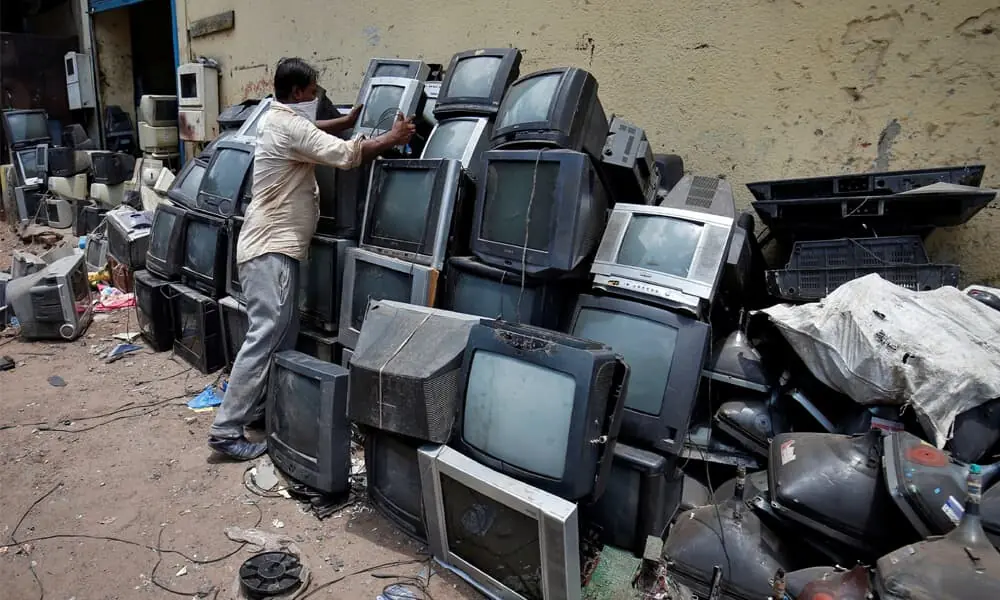
I would like to draw attention to the growing problem of electronic waste, or e-waste, which is becoming an increasingly serious environmental challenge. As technology has become an essential part of modern life, people are buying smartphones, computers, televisions, refrigerators and other electronic devices more frequently.
At the same time, many old or damaged devices are being discarded without proper consideration of their environmental impact. Electronic waste is different from ordinary household rubbish because it often contains hazardous substances.
Batteries, circuit boards, screens and other components may contain lead, mercury, cadmium and other harmful materials. When electronic devices are dumped in open areas or ordinary landfills, these substances can enter the soil and groundwater. Burning electronic waste is even more dangerous because it can release toxic fumes into the air. The problem is made worse by the short life of many electronic products.
Consumers are often encouraged to replace devices because newer models offer additional features or because repairing an old product appears more expensive or difficult than buying a new one. E-waste may look like a small household problem, but collectively it has serious consequences for the environment and human health. Responsible consumption, repair, reuse and recycling can help reduce this growing burden.
Kaleem Usmani, Karachi
Copyright Business Recorder, 2026



















Comments