


The looming winter energy crisis
Pakistan faces severe RLNG shortages due to war-related supply disruptions and high global prices, causing acute load-shedding and potential winter energy crises.
- War-induced disruptions to Pakistan's RLNG supply.
- Government's struggle with high global LNG spot prices.
- Acute electricity and gas load-shedding during winter.
- Challenges of securing cargoes through the Strait of Hormuz.
- Negotiating long-term LNG contracts with Qatar.
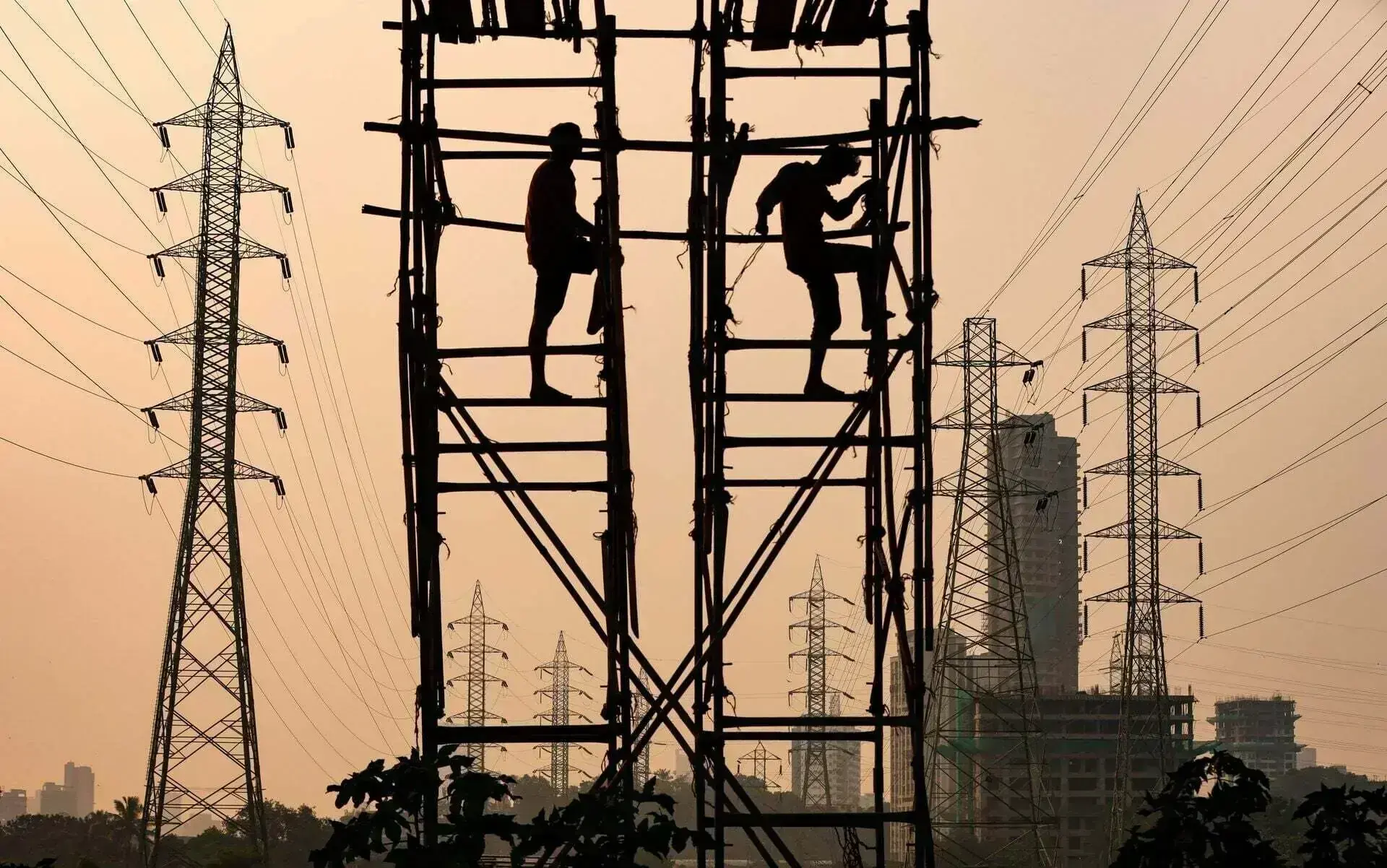
RLNG imports continue to remain in the limelight. When Pakistan has access to full supplies, the challenge is creating sufficient demand. Now that supplies have been disrupted by the war, however, RLNG is falling short of demand, resulting in acute late-night load-shedding in Punjab. If the war continues and the Strait of Hormuz remains closed, the problem could intensify during the coming winter.
Since the onset of the Iran-US war, Pakistan has managed to secure 15 cargoes between March and August—only around one-quarter of its usual supply. Seven were spot cargoes priced between USD16 and USD22 per MMBtu, while the remaining eight were supplied under long-term contracts with Qatar at prices ranging from USD7 to USD14 per MMBtu.
The government recently rejected offers of USD25–27 per MMBtu, as their effective cost to consumers could reach as high as USD34 per MMBtu after taxes and other expenses. At the time of writing, Pakistan is counting on two cargoes under long-term contracts that are waiting at the mouth of the Strait of Hormuz. If they get through, there will be some respite. Otherwise, acute load-shedding is likely to continue.
Currently, the Power Division is demanding 250–300 mmcfd from the Sui Northern network, while available supply is only around 100 mmcfd. This excludes the 120–150 mmcfd dedicated to cheaper, older domestic gas-based power plants. The resulting gap is creating shortages.
Previously, stronger hydropower generation helped narrow this gap. However, agricultural water demand has declined due to rainfall, leading to lower water releases and reduced hydropower generation. A recent nuclear power outage also added to the pressure, although it has since been resolved.
This uncertainty is likely to continue through September, October, and November. As air-conditioning demand falls, the number of load-shedding hours may decline. However, the situation could become significantly worse in winter.
The global LNG market is already bullish, as countries build inventories for winter. Spot prices have jumped from around USD19 per MMBtu in August to USD27 per MMBtu currently, which explains the government’s reluctance to purchase cargoes.
If the war continues, winter prices could rise further, forcing Pakistan to refrain from buying spot LNG. SNGPL would then have to divide limited supplies among the power, domestic and fertiliser sectors. The power sector is likely to receive little or nothing beyond its dedicated domestic gas supply. The electricity shortfall may then have to be met through expensive and inefficient plants running on furnace oil and high-speed diesel, potentially resulting in longer hours of load-shedding during some winter months.
Another major concern is gas supply to domestic consumers. Planners are considering limiting household supplies to mealtimes, with little or no gas available for water and space heating. The prospect of simultaneous electricity and gas load-shedding during winter is far from reassuring.
The situation—particularly its political implications—could become even more difficult during Ramazan, which begins in February.
There is little Pakistan can do in the short term, as it cannot afford RLNG at current spot-market prices. Qatar appears willing to partially maintain supplies, but getting cargoes through the Strait of Hormuz remains Pakistan’s problem. Iranian forces deployed in the area allow some vessels to pass while blocking others.
Some argue that the reduced supply from Qatar is a blessing in disguise because Pakistan does not have enough demand—or the financial capacity—to absorb all 10 contracted cargoes each month. However, a complete supply disruption would make life extremely difficult.
Ideally, Pakistan needs three to five cargoes a month. It should also try to negotiate an exit from one of its two long-term contracts with Qatar when the Qatari team visits Pakistan in the coming weeks.
















Comments