


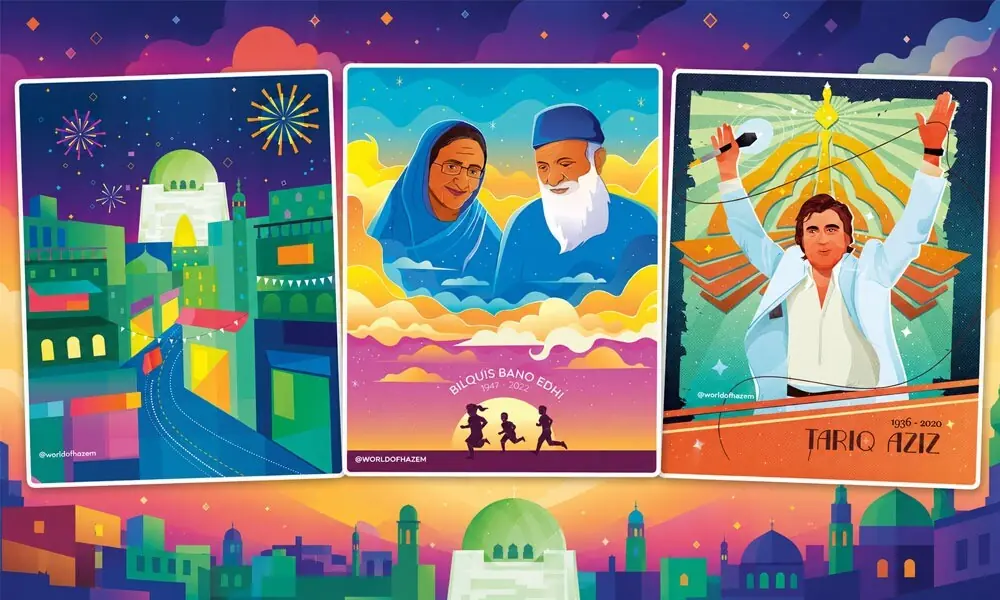
Digital platforms are turning illustration from a hobby into a viable career option for millions of Pakistani youth.
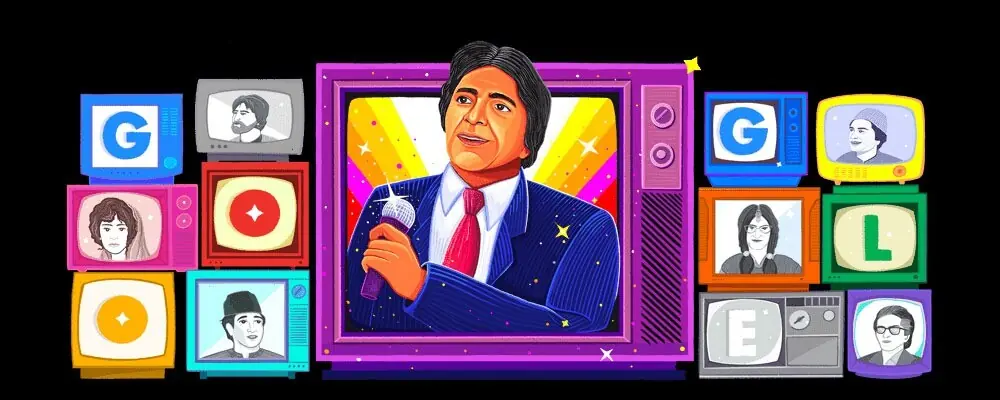
For Hazem Asif, the Lahore-born illustrator, what began as an escape from the daily corporate routine and a personal creative outlet evolved into a global freelance career, with projects ranging from posters for Pakistani web series and a Google Doodle for Moin Akhtar to book covers for international publishing giants HarperCollins and Penguin Random House.
“I wanted to be creative, take my own decisions and do something passionate,” he said while talking to Business Recorder.
In 2019, Asif began building an online presence, developing a portfolio while keeping pace with international trends and tailoring his work to different market niches. The digital world, he said, helped him reach audiences far beyond Pakistan and opened the door to freelance opportunities.
But his work is not only about finding a place in the global illustration market. Asif’s work also explores how South Asian culture can be imagined in the future — an approach he describes as Desi Futurism.
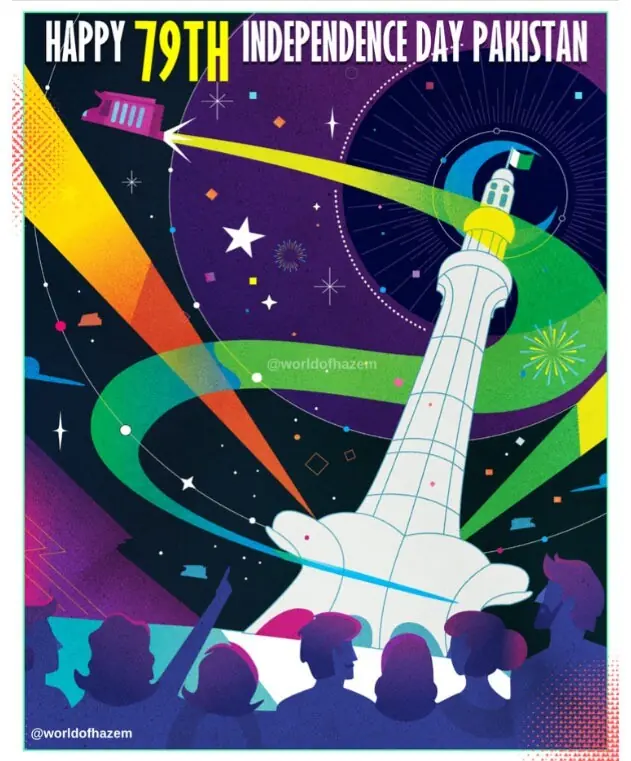
“Desi Futurism is a way to reimagine alternative landscapes through a local lens, giving our culture a voice in the future,” he said. For Asif, it is about asking “what if” and imagining South Asian stories in new ways.
However, Hazem believes there is still a limited understanding of what the profession actually involves. For many, illustration is still seen as simply drawing for fun, rather than a serious creative discipline that requires research, problem-solving and storytelling, he said.
“People often fail to observe the rigorous thought process that goes into a finished art piece. It is far more than just creating something aesthetically pleasing; it is an elaborate exercise in problem-solving, worldbuilding, and visually communicating a complex narrative within the constraints of a canvas.
“In Pakistan, there has always been a strong stigma attached to the artistic fields, but in recent years, the rise of social media and digital visual storytelling has actively dismantled these outdated ideas, shifting the cultural perspective for the better.”
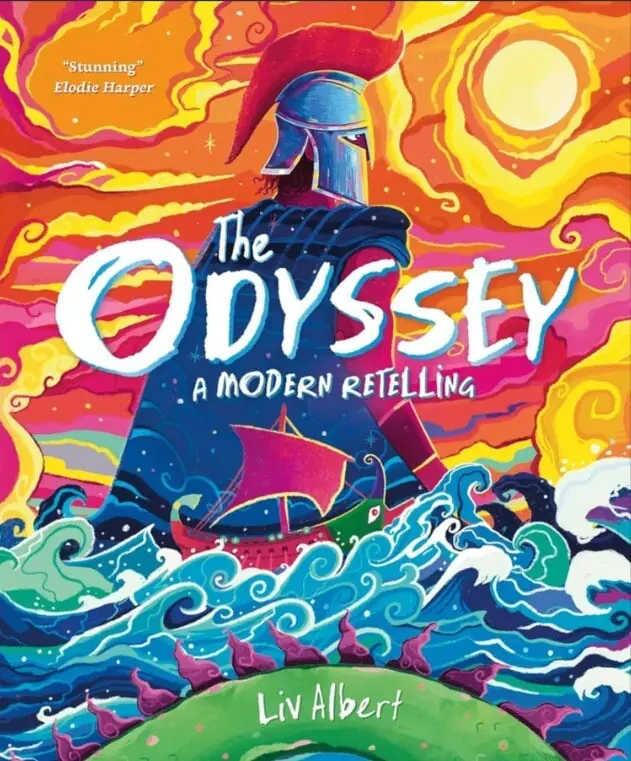
Among the work he is most proud of is his contribution to a new edition of The Odyssey by Liv Albert for DK Books.
“It also marks the first time a Pakistani illustrator has illustrated this epic tale,” Asif said. “It was a massive undertaking that required around eight months of finding the right illustration style, dedicated sketching, colouring and worldbuilding to bring a new Odyssey to children’s publishing.”
Hazem said illustrating for children was deeply rewarding, tracing it back to his own childhood spent immersed in the worlds of Roald Dahl, Enid Blyton, Tolkien and J.K. Rowling.
“Now, working professionally in the children’s publishing sector, it is oddly nostalgic to revisit that childhood magic. The true challenge of this work, however, lies in the art of simplification,” he said.
To instantly capture a child’s attention, the story needs to be driven by clear, accessible imagery featuring diverse characters young readers can connect with — letting vibrant visuals carry the weight of the narrative alongside minimal text, he added.
Asked whether illustrating for Pakistani readers differs from working with international audiences, Asif said the universal themes of childhood curiosity remain the same globally, but the industry landscapes differ significantly.
Pakistan, he said, is brimming with incredibly talented artists, designers and illustrators who are breaking barriers to elevate the profession. However, the local children’s publishing market remains narrow, held back by limited funding, infrastructure and representation.
“In recent years, we have seen a promising shift as modern illustration and animation have gained momentum through social media and digital content creation,” he said, adding that this new wave of content now caters to audiences well beyond just children.
Artistically, he said, working with international authors and publishers has meant navigating diverse cultural nuances and broader visual expressions not tied to his own experiences in Pakistan.
“Local projects, by contrast, offer the chance to lean deeply into familiar, highly specific cultural and regional aesthetics.”
On the challenges Pakistani illustrators face breaking into international markets, Asif said the global landscape has shifted considerably since the pandemic, and operating outside major international hubs is no longer the barrier it once was. With the right digital workflow and portfolio, he said, emerging artists can now find work with relative ease.
“The scope is expanding rapidly given how accessible the freelance international market has become over the past few years. With access to digital tools like Procreate, Social media and the ability to connect globally, young creatives are no longer bound by geography or borders.
With the right portfolio, up-to-date knowledge of trends and modern industry, Gen-Z can absolutely build a sustainable career around illustration,” he said.
While Pakistan still desperately needs to invest in reliable payment architectures like PayPal, we are overcoming a much bigger generational obstacle: the traditional Desi mindset, he said.
According to him, the cultural stigma that once existed in every household against pursuing art and design is slowly diminishing. Thanks to the strong earning potential in the illustration and design industry today, creative careers are finally flourishing and viewed with the same level of prestige as engineering or medicine.











Comments