


Pakistan car sales jump 141% in July 2026
- Sales of jeeps, pickups fall 33%
Pakistan's car sales surged 141% in July FY27, driven by eased bank leasing policies and lower interest rates. Other auto segments showed mixed results, with policy discussions ongoing.
- Eased bank leasing and lower interest rates boosting auto sales.
- Varied sales performance across Pakistan's diverse vehicle segments.
- Ongoing policy discussions and challenges for the automotive industry.
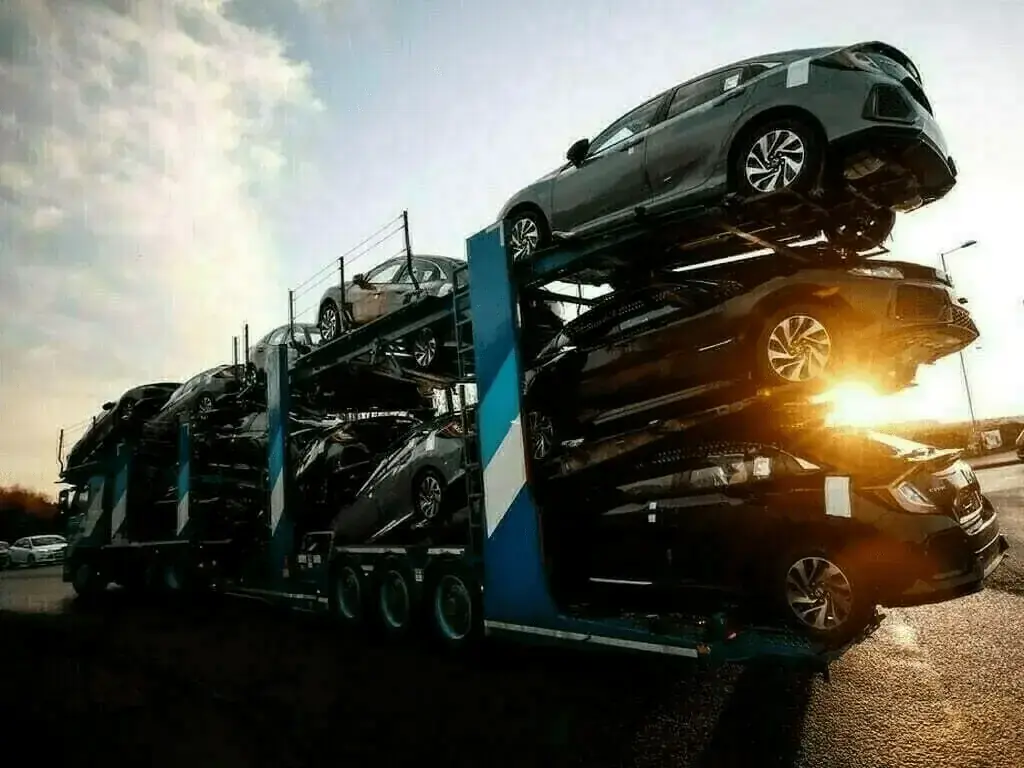
Car sales in Pakistan surged 141% in the first month of the current fiscal year FY27 compared with the same month last year, with experts attributing the increase to eased bank leasing policies and lower interest rates.
Car sales stood at 17,216 units in July 2026, against 7,135 units recorded in July 2025.
Meanwhile, sales of jeeps and pickups fell 33% to 2,602 units, while truck and bus sales rose 169% to 854 units and 14% to 65 units, respectively.
Sales of two- and three-wheelers, including motorbikes and rickshaws, increased 40.7% to 177,089 units, according to data released by the Pakistan Automotive Manufacturers Association (PAMA) on Tuesday.
Moreover, farm tractor sales rose 4% to 1,242 units in the first month of the current fiscal year, marking an increase after several months of decline. The modest recovery was attributed to improved economic conditions for growers, who appeared more willing to invest in farm machinery, following a largely downward trend in tractor sales throughout the previous fiscal year.
Auto sector analyst Mashood Khan said car sales had risen despite the segment’s relatively small size, describing the increase as a positive start to the current fiscal year. He attributed the growth partly to improved bank leasing policies and lower interest rates, which have made auto financing more attractive to consumers.
On July 27, the State Bank of Pakistan (SBP) Monetary Policy Committee (MPC), in its first meeting in the fiscal year 2026-27, decided to keep the policy rate unchanged at 11.5%.
Another expert Muhammad Sabir Shaikh said the Punjab government’s tractor scheme was providing some relief to farmers, contributing to the increase in tractor sales. He added that the decline in jeep sales was partly due to the growing number of SUV models available in the market, which had affected demand for traditional jeeps.
Mashood Khan called for localisation of vehicles and auto parts to a greater extent, saying it could help bolster the national economy.
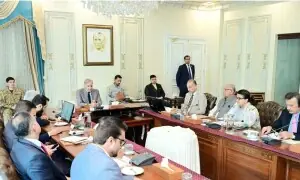
Last week, Power Minister Sardar Awais Leghari-led committee deliberated on the “problematic” Auto Sector Development Policy 2026–31 and the current issues facing the domestic industry.
The committee discussed various challenges confronting the local industry, including the impact of Completely Built Unit (CBU) imports on existing players and delays in notification regarding the reduction in sales tax.
According to sources, the industry has sought government intervention to protect Pakistan’s automotive manufacturing sector from the serious risk of deindustrialisation resulting from the proposed reduction in CBU import tariffs under the National Tariff Policy 2026–31 (NTP 2026–31).







Comments