


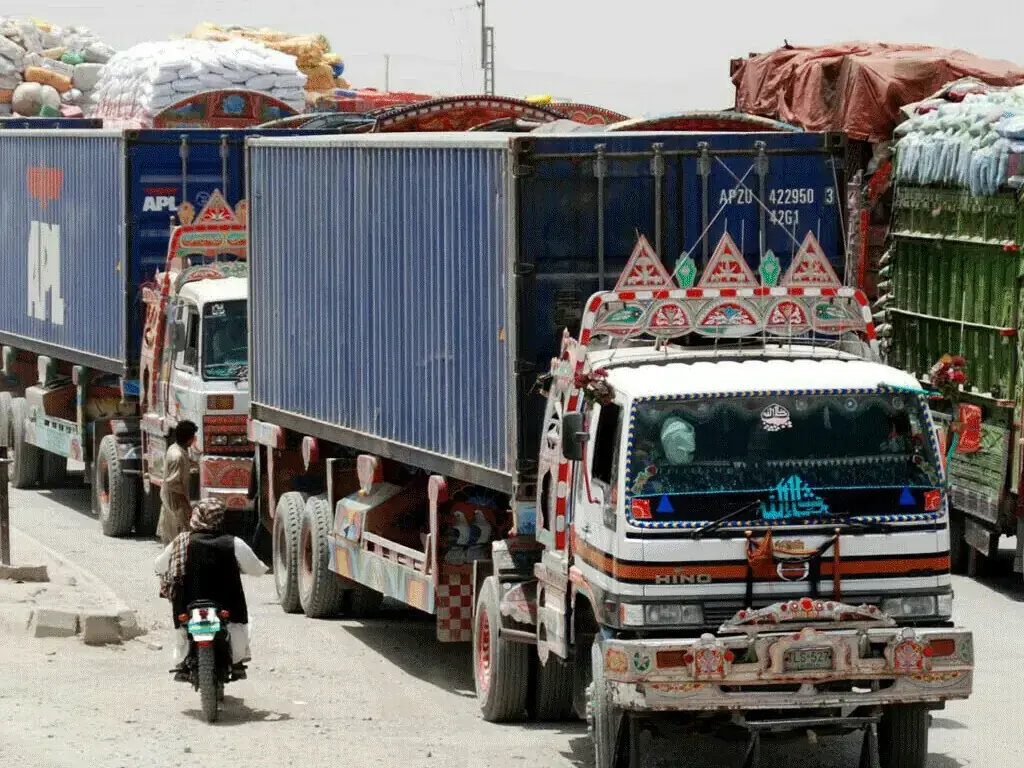

KARACHI: Goods transporters on Saturday announced to enhance transport charges by 15 percent after hike in petroleum prices.
President Pakistan Goods Transport Alliance Malik Shahzad Awan has condemned recent hike in prices of petroleum products and demanded withdrawal of toll tax and withholding tax. He lamented that the goods transporters not being offered any relief demanding withdrawal of challans. “The government policies force transporters not to run their vehicles,” he added.
READ ALSO: NHA rescinds 25pc quarterly increase in toll taxes
Shahzad Awan also demanded the withdrawal of toll taxes and withholding taxes, saying that transporters were facing severe financial pressure due to government policies. He also called for the removal of additional charges, fines and penalties, warning that many transporters had been forced to park their vehicles because of increasing operational costs. Meanwhile, the latest increase in petroleum product prices has triggered a fresh wave of fare hikes in Lahore, adding to inflationary pressure on the public.
Goods transporters, Mini Mazda operators and public transport services have increased fares by up to 10pc, while transporters warn that rising fuel costs could soon drive up the prices of essential commodities. Following the latest increase in petroleum prices, the transport sector in Lahore has witnessed growing uncertainty as operators struggle with higher operating costs.
The Pakistan Mazda and Goods Transporters Association has increased fares for Mini Mazda and goods transport vehicles by up to 10pc, citing the sharp rise in fuel prices.
Public transport operators have also increased fares by up to 10pcc on their own, passing the additional fuel costs on to passengers.
As part of the latest fare revision, public transport fares for routes to different cities have increased by amounts ranging from Rs80 to Rs900, depending on the destination and distance. The fare hikes are expected to place an additional financial burden on commuters already grappling with rising inflation and higher living expenses.
Amid the uncertainty, transport authorities have called a meeting at Lahore’s Transport House to prepare and finalize transport fares at the government level. The meeting is expected to discuss a formal fare structure in response to the continued increase in petroleum prices and its impact on the transport sector.
Transporters have warned that the increase in goods transport charges could soon lead to higher prices of essential commodities across markets. Since transportation costs are a key component of supply chains, any increase in freight charges is likely to be reflected in the retail prices of daily-use items.
Pakistan Mazda and Goods Transporters Association President Haji Sher Ali said expensive petroleum products have “broken the backs” of transporters. He warned that frequent and daily changes in petroleum product prices are severely affecting the transport sector and making business planning increasingly difficult.
According to Haji Sher, constantly changing fuel prices and rising transportation costs are making it nearly impossible to keep the prices of essential commodities stable. He added that transporters are facing fresh challenges every day due to new fuel price adjustments and increasing operating expenses.
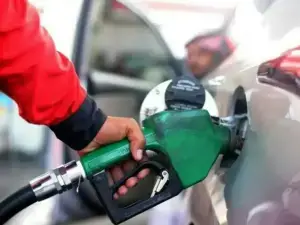
Earlier, the federal government has increased the petrol and diesel prices following renewed tensions in the Middle East. The price of diesel has been increased by Rs31.05 per litre, while petrol has become costlier by Rs5.44 per litre. After the increase, the new price of diesel has been fixed at Rs345.35 per litre, while petrol will now be sold at Rs316.15 per litre.







Comments