


Petroleum minister consults industry on daily fuel pricing reform
Pakistan's Petroleum Minister consulted stakeholders on transitioning to daily fuel price adjustments, aiming for deregulation, transparency, and market-driven pricing to protect consumers from political influence.
- Transition to daily fuel price adjustments.
- Government's petroleum sector deregulation strategy.
- New transparent, formula-based pricing mechanism.
- Stakeholder concerns and collaborative implementation.
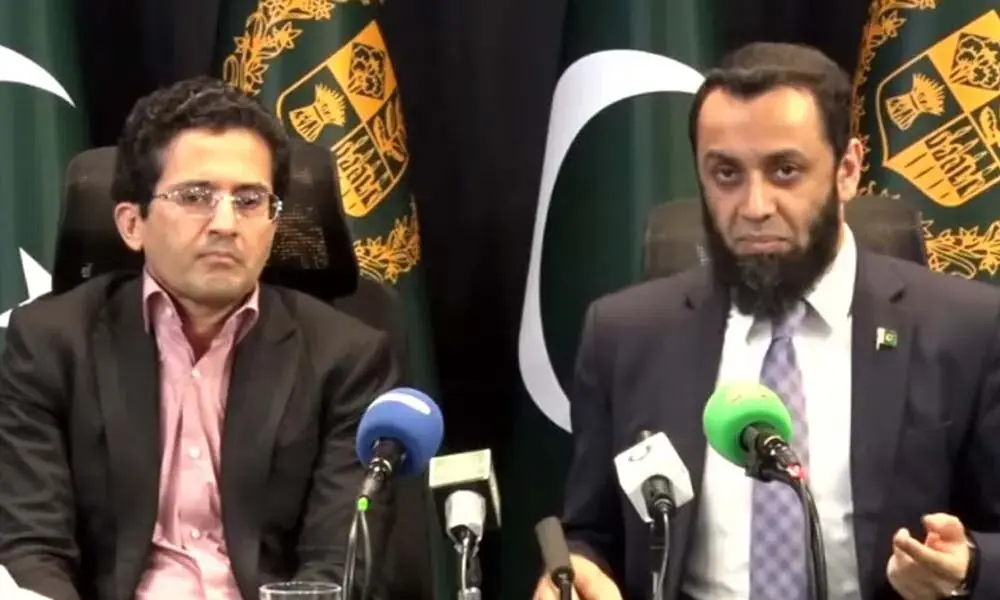

Petroleum Minister Ali Pervaiz Malik on Saturday held consultations with oil industry stakeholders on the proposed transition from weekly fuel price adjustments, a reform aimed at deregulating the sector and making prices more responsive to market forces.
Under pressure to explain rising fuel costs as global oil prices surge, the government on Friday announced a new transparency measure under which the Oil and Gas Regulatory Authority (Ogra) will review petroleum prices daily and publish pricing data on its website to support weekly fuel price calculations.
In this regard, Malik today chaired a high-level meeting with key stakeholders, including the Oil and Gas Regulatory Authority (OGRA), the Oil Companies Advisory Council (OCAC), the Oil Marketing Association of Pakistan (OMAP), Refineries, and Oil Marketing Companies (OMCs). Senior officials of the Petroleum Division were also present.
The meeting was convened to brief industry stakeholders on the new pricing mechanism transitioning from a weekly to a daily basis and obtain first-hand feedback on implementation challenges and any teething issues to ensure a smooth transition, read a statement.
The reform marks a significant step towards deregulation of Pakistan’s petroleum sector, aimed at enhancing transparency, ensuring consumer protection, and fostering a more competitive market environment, it added.
During the meeting, Malik informed participants that the reform has been undertaken on the directive of the prime minister and approved by the federal cabinet as part of the government’s commitment to move towards a rules-based petroleum regime. Under the new mechanism, retail prices will be determined through a transparent, formula-based process anchored in market fundamentals, insulating consumers from price shocks influenced by political expediency.
Speaking on the occasion, Malik said that the implementation of the daily petroleum pricing regime represents a fundamental shift towards a market-driven, competitive economy. By decoupling petroleum prices from the weekly announcement cycle and mandatory government approval, we are reducing the potential for market abuse and windfall gains.
The meeting was informed that the daily pricing mechanism will provide greater transparency and fair pricing for consumers while shifting the focus from political intervention to market realities.
Participants were also briefed that the reform is a key component of the government’s phased deregulation strategy to gradually reduce government intervention and allow market forces to determine petroleum prices, similar to the daily movement of exchange rates.
The minister emphasised that the Petroleum Division, in close consultation with OGRA and industry stakeholders, is developing comprehensive Standard Operating Procedures (SOPs) to facilitate the transition.
Technical matters, including the Inland Freight Equalisation Margin (IEFM), refinery adjustments, and true-up mechanisms, are being addressed collaboratively to ensure seamless implementation.
OGRA informed the meeting that it is fully aligned to implement the new pricing regime and is upgrading its internal processes and data dissemination systems.
The meeting also reviewed operational aspects of the transition, including supply chain logistics, inventory management, and the availability of real-time data.
The government assured industry stakeholders of its full support in addressing operational challenges. A dedicated committee has been constituted to oversee the transition process and resolve implementation issues through consensus.
During the meeting, representatives of OCAC, OMAP, refineries, and OMCs shared their views and highlighted certain operational concerns regarding the implementation of the daily pricing mechanism. The Minister assured participants that all genuine concerns would be addressed through continuous consultation and collaborative engagement.
The minister directed the Petroleum Division and OGRA to hold follow-up meetings with industry representatives to further refine the technical formula, address any remaining concerns and teething issues, and ensure the successful rollout of the daily petroleum pricing regime.





Comments