


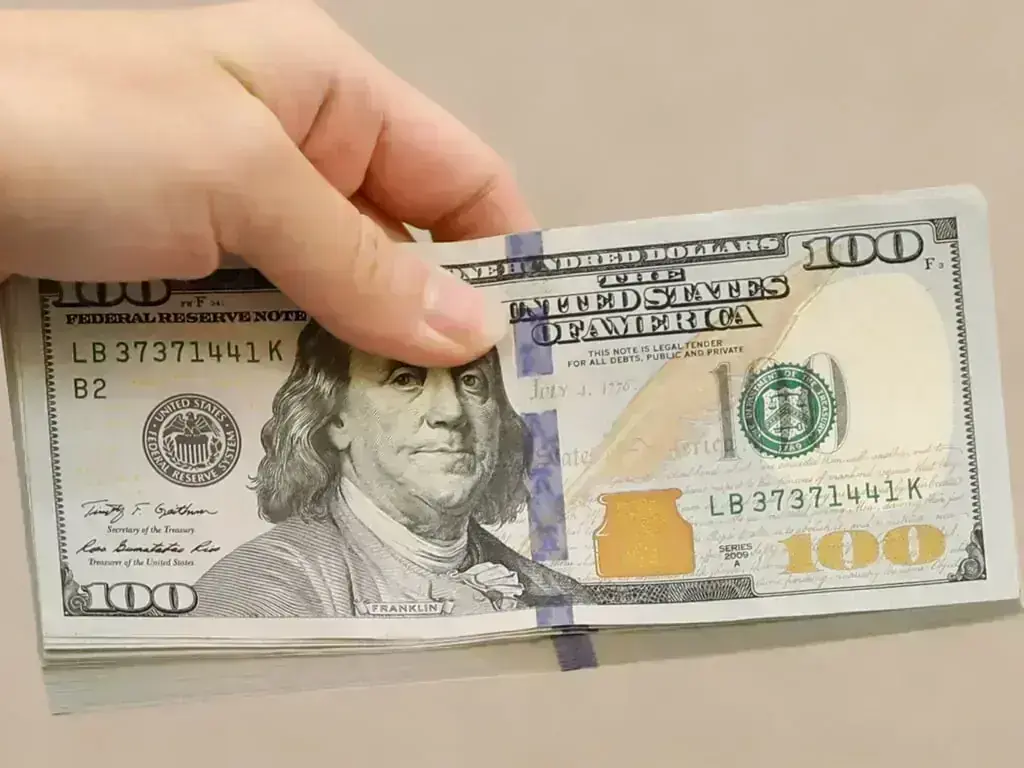

NEW YORK: The dollar traded in a narrow range on Tuesday as investors watched for signs of progress on a potential deal to reopen the Strait of Hormuz, while broader geopolitical uncertainty kept markets cautious.
A peace deal between the US and Iran would ease pressure on currencies of oil-importing countries such as Japan and euro zone nations, while reducing safe-haven demand for the dollar.
US President Donald Trump said on Monday that talks with Iran were ongoing, a comment that pushed oil prices lower despite a report that Tehran had suspended indirect negotiations with Washington to end hostilities.
Investors have treated news of progress toward ending the US-Israeli war on Iran with caution, citing the fragility of a ceasefire struck between Washington and Tehran in April.
The dollar index, which measures the currency against six peers, was down 0.03 percent at 99.14. It has traded in a narrow range of about 98.9 to 99.5 since May 15.
“By (Monday) evening, a sense of relief had returned as the US president had seemingly secured another ceasefire in Lebanon,” said Michael Pfister, foreign exchange strategist at Commerzbank.
The dollar jumped at the start of the Iran conflict on February 28, buoyed by safe-haven demand and the US economy’s relatively limited exposure to energy-driven inflation. It has given back some of those gains as uncertainty over the conflict’s direction persists.
Euro zone inflation data reinforced expectations of a quarter-point European Central Bank rate hike later this month, which markets had already widely priced in. Traders increased bets on further tightening, fully pricing two hikes by December and about a 50 percent chance of a third.
The euro rose 0.08 percent to $1.1642.
“The pass-through of higher energy and input prices to final consumption will be limited due to a lack of ability and willingness of consumers to actually pay for these higher prices,” said Carsten Brzeski, head of macro at ING.
US data on Tuesday showed job openings rose to 7.618 million in April, ahead of Friday’s closely watched monthly employment report.
Markets expect the Federal Reserve’s next move will be a rate increase.
In Japan, Finance Minister Satsuki Katayama said on Tuesday authorities stood ready to respond in currency markets as needed, while refraining from comment on recent moves.
The yen was slightly weaker at 159.835 per dollar, near the 160 level widely seen as a trigger for intervention.




















Comments