


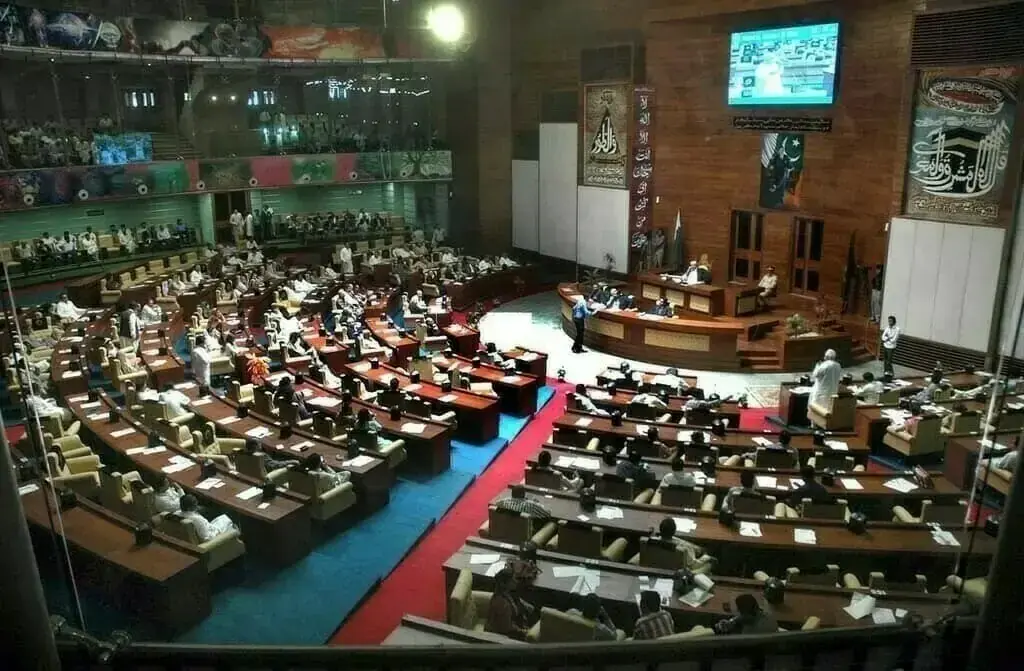
EDITORIAL: The passage of the Domestic Workers Welfare Bill, 2025, by the Sindh Assembly, is undoubtedly a welcome development in a society where domestic workers have long remained among the most invisible and exploited sections of the labour force.
By setting limits on working hours, guaranteeing leave, requiring medical care, and prohibiting child labour below the age of 16, the legislation attempts to bring dignity and legal protection to workers who have historically depended entirely on the goodwill of employers. On paper, the law appears progressive and humane.
The real challenge, however, lies not in legislation but in implementation.
Domestic work in Pakistan largely operates within the informal sector, hidden behind the walls of private homes where oversight is extremely difficult. Unlike factories or offices, households cannot easily be monitored by labour inspectors.
In such circumstances, provisions requiring written employment letters and submission of records to labour authorities may remain little more than formalities. Many employers are unlikely to comply unless there is strict monitoring and meaningful penalties for violations.
Even where documents are issued, most domestic workers — and especially the parents of underage workers — are illiterate and therefore unable to understand the terms and conditions written in those contracts.
The proposed dispute resolution committees and appellate authorities may also prove ineffective for the very people they are meant to protect. Poor domestic workers are rarely in a position to challenge wealthy employers through official channels.
Fear of losing employment often forces workers to tolerate abuse, underpayment, and excessive working hours. Since unemployment and poverty remain widespread, employers can easily replace workers who are perceived as “troublesome.” In such a deeply unequal social environment, legal rights alone cannot ensure justice.
The ban on child domestic labour is perhaps the most important feature of the bill, but here too the economic realities of Pakistan cannot be ignored. Many families send their children to work not out of choice but out of financial desperation.
Unless the state addresses poverty and guarantees accessible education, child labour will continue in one form or another despite legal prohibitions. Laws may punish employers, but they cannot by themselves eliminate the conditions that force children into labour.
This is why the success of the legislation ultimately depends on broader social reforms. The government must invest seriously in implementing the constitutional promise of free and compulsory education for all children between the ages of five and sixteen.
Education remains the most effective long-term protection against exploitation. Literate and skilled workers are better equipped to understand contracts, demand fair treatment, and seek alternative employment opportunities beyond domestic service.
Copyright Business Recorder, 2026




















Comments