


Budget 2026-27: GSMA pushes for affordable mobile services, devices
The GSMA urges Pakistan to rationalise telecom taxes, enhance affordability, and simplify its fiscal regime in budget proposals for 2026-27 to boost digital investment and connectivity growth.
- The need for a balanced and predictable fiscal framework.
- Impact of high taxes on digital investment and inclusion.
- Key policy areas for tax rationalization and affordability.
- International evidence supporting investment-friendly policies.
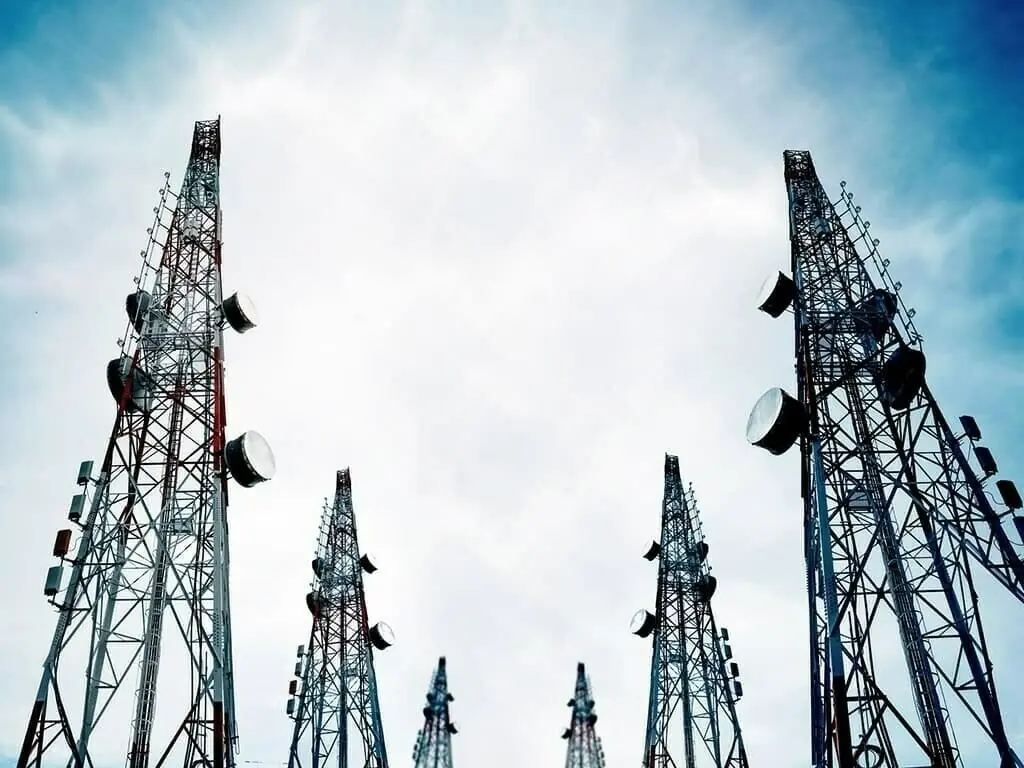
The Global System for Mobile Communications Association (GSMA) has urged the government to rationalise telecom sector taxes, enhance affordability of mobile services and devices, and simplify the fiscal regime in its budget proposals for 2026-27 to spur digital investment and accelerate connectivity growth in Pakistan.
In a letter addressed to Finance Minister Muhammad Aurangzeb, the global telecom industry body called for a “more balanced and predictable fiscal framework” to help operators accelerate network expansion, improve service quality, and expand connectivity to underserved populations.
The body urged the government to introduce sweeping fiscal reforms in the upcoming Finance Bill 2026–27, warning that high sector-specific taxes and burdensome levies were constraining investment in the country’s digital future.
Also read: GSMA warns Pakistan likely to lag in digital race without urgent reforms
The submission comes at a time as Pakistan prepares for next-generation digital infrastructure investments while grappling with a significant mobile internet usage gap.
The GSMA acknowledged recent developments by the government, particularly reforms in spectrum pricing and auction policies, including phased payment mechanisms and moratorium facilities aimed at easing financial pressure on telecom operators.
“These measures are aligned with international best practices and send a strong signal of confidence to the industry,” the association noted. However, the organisation stressed that spectrum reforms alone would not be sufficient unless accompanied by broader tax rationalisation measures.
The GSMA highlighted three priority areas for immediate policy attention: reducing upfront and distortionary taxes affecting capital allocation, improving affordability of mobile services and devices, and simplifying Pakistan’s complex telecom taxation structure to improve investor confidence and long-term planning.
The industry body argued that excessive taxation continued to undermine digital inclusion in Pakistan, where millions remain outside the mobile internet ecosystem despite expanding network coverage.
Citing international evidence, the GSMA said countries adopting investment-friendly spectrum and tax policies typically experience higher capital expenditure, faster rollout of advanced mobile networks, and stronger GDP growth.
The submission also acknowledged that wider fiscal reforms might previously had been constrained due to Pakistan’s macroeconomic challenges and commitments with the International Monetary Fund.
However, it argued that recent momentum in telecom sector reforms provided an opportunity for the government to revisit those measures in a more supportive environment. The GSMA added that a calibrated approach to fiscal reform could create a “virtuous cycle” of investment, innovation, digital inclusion, and economic growth.


















Comments